
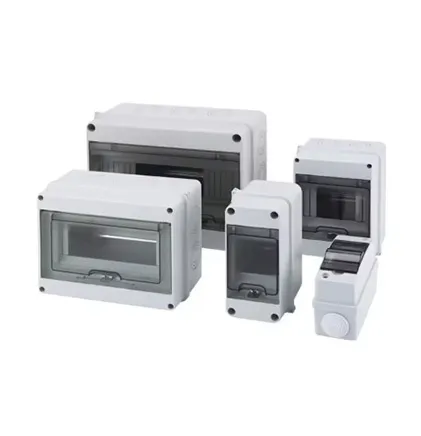
Think about the last time your power went out unexpectedly. Remember that frustrating scramble in the dark? It's moments like these that remind us just how much we depend on those unsung heroes of our electrical systems - distribution boxes. These metal cabinets sitting quietly in basements or utility closets are the backbone of our modern power infrastructure.
Now, here's something you might not realize: Not all distribution boxes are created equal. There's a world of difference between the domestic models made down the road and the imported units shipped from overseas. The quality of their core components – those circuit breakers, busbars, terminals, and enclosures – can be night and day.
Why should you care? Because these components determine whether your distribution box is a silent guardian or a ticking time bomb. They decide if your system will stand strong through storm season or quit during the first heatwave. And in our increasingly energy-hungry world of electric cars, smart homes, and high-powered electronics, this matters more than ever.
Before we dive into the domestic vs. import comparison, let's break down what really counts inside these boxes. It's not just about the shiny exterior – the quality under the hood makes all the difference.
1. Circuit Breakers: These are the bodyguards of your electrical system. When things get dicey – like during a power surge or short circuit – they're your first line of defense. You want breakers that trip quickly but don't get trigger-happy.
2. Busbars: Think of these as the highways of your electrical system. They're those metal strips distributing power throughout the box. Good ones are like smooth multi-lane highways; bad ones are like dirt roads full of potholes.
3. Terminals and Wiring: Ever had a loose connection in anything? Annoying, right? These connection points need to be rock solid and resistant to corrosion. Loose or corroded connections equal wasted energy and fire risks.
4. Enclosure: This is the box itself. Beyond just looking good on your wall, it needs to protect against moisture, dust, impact, and heat dissipation. A weak enclosure compromises everything inside.
So where do manufacturers nail it, and where do they miss the mark? Let's break it down component by component.
Circuit Breakers: Typically built with strict adherence to local safety standards like UL and NEC. The tripping mechanisms are usually highly calibrated for precise protection, but they may come at a premium price.
Busbars: Often made with high-grade copper with extra thickness. You'll see thicker insulation coatings too. They can handle higher loads but might lack flexibility for compact installations.
Terminals and Wiring: Usually feature high-tensile copper alloy connections with corrosion-resistant coatings. Terminals are designed for easy installation with standard tools most electricians carry.
Enclosures: Powder-coated steel cabinets with generous ventilation designs. They excel at corrosion resistance and heat dissipation but might look industrial rather than sleek.
Circuit Breakers: Often designed with innovation from regions with advanced electronics manufacturing. They might feature space-saving designs and modular components but occasionally skip thorough testing.
Busbars: Some use conductive aluminum alloys that work great in ideal conditions. They can be precision-cut for compact spaces but might show faster degradation with thermal cycling.
Terminals and Wiring: Tend to use creative spring-loaded connectors that save installation time. Good in mild climates, but vulnerable to corrosion in coastal or high-humidity areas.
Enclosures: Often lighter weight composite materials that look slick in residential settings. They win on aesthetics but might lack durability against UV exposure or impacts.
That cheaper imported unit might look tempting when you're budgeting, but have you considered the lifetime costs? Domestic boxes typically offer longer service intervals. How many hours will you pay an electrician to replace components in five years?
Safety certifications matter more than you think. That import might lack NRTL marks needed for insurance compliance. One denied claim could cost multiples of your original savings.
With domestic manufacturing of electrical fixtures and cables (a critical keyword identified from our analysis) being so reliable, why risk compatibility headaches? Matching domestic boxes with domestic electrical accessories prevents gaps in protection.
You'd think all electrical gear meets basic safety standards, right? Reality isn't so simple. Domestic boxes are built under constant watchdog scrutiny from groups like UL and NFPA. For foreign manufacturers? The oversight can be inconsistent at best.
The certification paper trail matters. Proper domestic boxes come with full traceability of materials. Imported units? You might get vague paperwork listing just "metal" or "plastic." Know exactly how hot your breakers can safely get? You should.
Here's an installer secret: Domestic box designs anticipate real-world installation headaches. Those terminals designed for common tool sizes? That matters at 10PM when your electrician is trying to finish a job.
Modern homes aren't your grandpa's electricity needs. Between EV chargers, smart home hubs, and server racks, distribution boxes face unprecedented demands.
Domestic models are evolving fast. Features like:
Contrast this with imports focused on making yesterday's technology cheaper. That bargain box? It might lack expansion space for your future solar installation or heat pump.
Remember that home automation you're planning? Quality distribution boxes don't just handle today's gadgets; they anticipate tomorrow's tech too.
After dissecting hundreds of distribution boxes and their components, the pattern becomes clear: When lives depend on reliability, domestic manufacturing consistently delivers peace of mind you can't quantify on a spreadsheet.
Does this mean all imports are bad? Absolutely not. But that lower price tag often comes with hidden costs – in service calls, premature replacements, and limitations on your home's electrical future.
Before you decide, open an actual sample. Compare the feel of breakers, the solidity of busbars, the corrosion resistance of terminals. Sometimes, holding both in your hands tells you what spreadsheets can't.
The true measure of a distribution box isn't its price tag this month; it's years of silent, flawless service. Choose components that won't let you down when you need them most.
Recommend Products












