

The Middle East is in the midst of a construction renaissance. From the glittering skyline of Dubai to the ambitious NEOM project in Saudi Arabia, and the bustling commercial hubs of Abu Dhabi and Doha, the region is redefining urban living and commercial spaces. At the heart of this transformation lies a growing demand for high-quality, durable, and aesthetically pleasing building materials—especially when it comes to interior and exterior decoration. Among the materials gaining rapid traction is the wood-plastic composite (WPC) wall panel, celebrated for its versatility, sustainability, and resilience. But with countless suppliers vying for attention, how do you choose the right partner? In this article, we'll explore why experience stands out as the most critical factor when selecting a WPC wall panel supplier in the Middle East, and how seasoned providers deliver solutions that new entrants simply can't match.
Before diving into the supplier landscape, let's clarify what makes WPC wall panels a staple in today's construction projects. WPC, or wood-plastic composite, is a blend of wood fibers, plastic polymers, and additives. This unique composition marries the best of both worlds: the natural look and feel of wood with the durability and low maintenance of plastic. For the Middle East, where extreme temperatures, high humidity, and occasional sandstorms are part of daily life, WPC panels offer a game-changing advantage. They resist moisture, mold, and warping—common issues with traditional wood panels in humid climates—and require minimal upkeep, making them ideal for both residential and commercial spaces.
Beyond durability, WPC panels are also eco-friendly. Many suppliers use recycled materials in their production, aligning with the region's push toward sustainable building practices (think Saudi Arabia's Vision 2030 or Dubai's green building regulations). Available in a range of textures, colors, and finishes—from sleek modern grays to warm wood grains—they cater to diverse design preferences, whether for a luxury villa in Riyadh or a bustling restaurant in Beirut. It's no wonder that WPC wall panel solutions are now a go-to choice for architects, interior designers, and homeowners alike.

The Middle East's construction boom isn't just about skyscrapers; it's about creating spaces that are functional, beautiful, and built to last. WPC wall panels fit this bill perfectly, and their demand is driven by three key factors:
1. Climate Resilience: With average temperatures exceeding 40°C in summer and humidity levels spiking in coastal areas like Dubai and Doha, traditional building materials often fall short. WPC panels, however, thrive in these conditions. Their resistance to heat, moisture, and UV rays ensures they retain their color and shape over time, unlike paint or wallpaper that fades or peels.
2. Design Flexibility: Modern Middle Eastern design leans toward clean lines, minimalist aesthetics, and customization. WPC panels can be cut, shaped, and printed to mimic natural materials like marble, stone, or wood, allowing designers to create unique interiors without the cost or weight of natural stone. This flexibility makes them a favorite for interior decoration materials in high-end hotels, offices, and retail spaces.
3. Cost-Effectiveness: While initial costs may be slightly higher than traditional drywall or plywood, WPC panels offer long-term savings. Their durability reduces replacement and repair costs, and their easy installation cuts down on labor time—critical in a region where construction timelines are often tight.
As demand grows, so does the number of suppliers. From local startups to international brands, the market is flooded with options. But not all suppliers are created equal. This is where experience becomes the differentiator.

When evaluating potential suppliers, several factors come into play: product quality, pricing, customization options, and compliance with local regulations. But experience acts as the foundation that elevates these traits. Let's break down what to look for—and why experience amplifies each aspect:
Quality is non-negotiable when it comes to building materials. A single defective panel can compromise an entire project's integrity. Experienced WPC wall panel suppliers have honed their manufacturing processes over years, using advanced machinery and strict quality checks to ensure every batch meets standards. They source raw materials from trusted partners, avoiding cheap plastics or low-grade wood fibers that lead to brittleness or discoloration. New suppliers, by contrast, often cut corners to keep costs low, resulting in panels that warp after a few months of exposure to Middle Eastern heat.
The Middle East isn't a monolith. Construction needs vary from the coastal humidity of Jeddah to the arid heat of Riyadh, and from the luxury demands of Dubai's hospitality sector to the functional requirements of Riyadh's commercial towers. An experienced WPC wall panel supplier understands these nuances. For example, they might recommend a specific WPC formulation with higher UV resistance for a villa in Abu Dhabi's beachfront, or a fire-retardant variant for a school in Doha (aligning with strict safety codes). New suppliers, unfamiliar with local conditions, often offer one-size-fits-all products that fail to address regional challenges.
The Middle East has stringent building regulations, from fire safety standards to environmental certifications. For instance, Saudi Arabia's SASO (Saudi Arabian Standards Organization) mandates specific tests for construction materials, while the UAE's ESMA (Emirates Authority for Standardization and Metrology) enforces strict quality benchmarks. Experienced suppliers have already navigated these regulatory landscapes, holding certifications like ISO 9001 for quality management and ISO 14001 for environmental practices. They know which documents are required for government projects and can provide them quickly, preventing delays. New suppliers, however, often struggle with paperwork, leading to project hold-ups and unexpected costs.
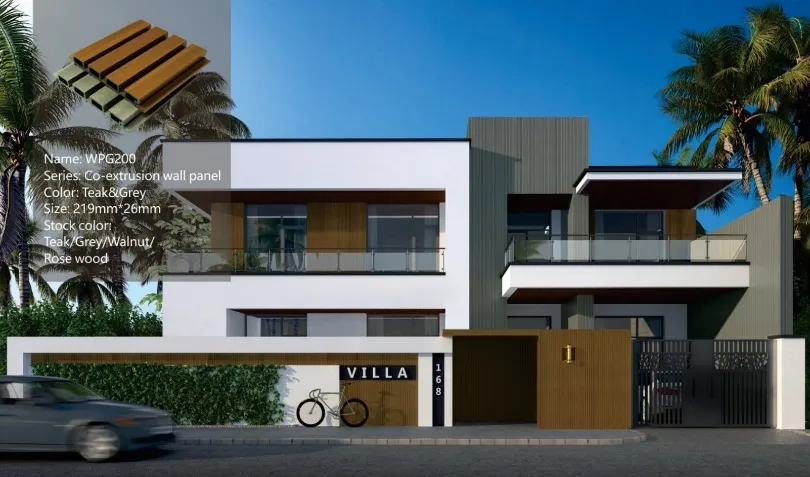
To illustrate the gap between seasoned and new WPC wall panel suppliers, let's compare them across critical areas:
| Factor | Experienced WPC Wall Panel Supplier | New/Inexperienced Supplier |
|---|---|---|
| Climate Adaptation | Offers panels tailored to local humidity/heat; tested in regional conditions. | Provides generic panels untested for Middle Eastern climates. |
| Regulatory Compliance | Has SASO, ESMA, and ISO certifications; can fast-track project approvals. | Lacks local certifications; may require clients to handle compliance. |
| Project Timelines | Maintains stable supply chains; delivers on time even during peak demand. | Prone to delays due to unproven logistics or material shortages. |
| Customization | Offers bespoke designs (colors, textures, sizes) for unique projects. | Limited options; mostly sells pre-made, standard panels. |
| After-Sales Support | Provides installation guidance, warranties, and responsive customer service. | May lack support; difficult to reach post-purchase. |
This table highlights a clear pattern: experienced suppliers don't just sell products—they deliver peace of mind. They anticipate challenges, adapt to local needs, and stand behind their solutions, making them invaluable partners for large-scale projects.
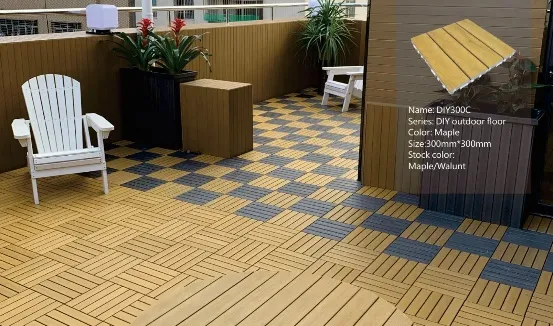
Let's put this into context with a real-world example. In 2023, a leading construction firm in Riyadh was tasked with building a 50-unit residential complex. The client wanted modern, low-maintenance interiors, and specified WPC wall panels for living rooms and bedrooms. The firm initially considered a new, budget-friendly supplier offering panels at 20% below market rates. However, after reviewing the supplier's track record (no completed projects in Saudi Arabia) and sample panels (which warped during a simple humidity test), they switched to an experienced WPC wall panel supplier with 15 years in the region.
The experienced supplier provided panels treated with UV inhibitors to withstand Riyadh's harsh sun, and worked closely with the construction team to customize colors to match the client's vision. They also with obtaining SASO certification for the project, ensuring compliance with Saudi building codes. The result? The project was completed two weeks ahead of schedule, and reported zero issues with panel warping or discoloration after six months of use. The budget supplier, by contrast, later faced complaints from another client in Jeddah when their panels peeled in high humidity—a risk the Riyadh firm avoided by prioritizing experience.
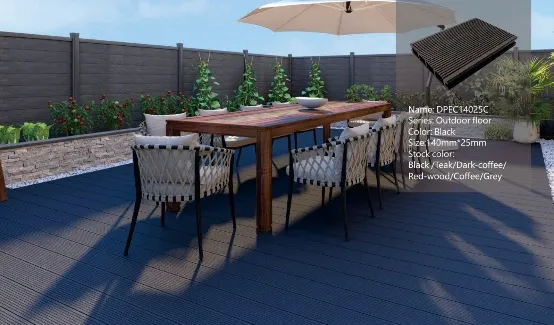
Another advantage of experienced WPC wall panel suppliers is their ability to offer integrated solutions. Many seasoned providers don't just stop at WPC panels—they're part of larger networks that supply complementary materials, from flooring to ceiling solutions. For example, a supplier with decades in the industry might also be a trusted flooring supplier, offering WPC flooring that coordinates with their wall panels, creating a cohesive look for clients. This "one-stop shop" model simplifies project management, reduces coordination efforts between multiple vendors, and often leads to cost savings through bundled pricing.
Take, for instance, a hotel renovation in Dubai. The client needed WPC wall panels for guest rooms, durable flooring for hallways, and moisture-resistant ceiling solutions for bathrooms. An experienced one-stop architectural solution provider could deliver all three, ensuring materials were compatible and arrived on the same timeline. A new WPC-only supplier, however, would require the client to source flooring and ceilings separately, increasing the risk of delays or mismatched designs.
Armed with the knowledge of why experience matters, here are key questions to ask potential suppliers to gauge their expertise:
In the fast-paced world of Middle Eastern construction, choosing a WPC wall panel supplier is more than just a purchasing decision—it's a partnership that impacts project timelines, quality, and long-term satisfaction. While new suppliers may lure clients with lower prices, the risks of poor quality, regulatory missteps, and inadequate support far outweigh the savings. Experienced suppliers, by contrast, bring decades of regional knowledge, proven processes, and a commitment to delivering solutions that stand up to the Middle East's unique challenges.
Whether you're building a luxury villa in Riyadh, a commercial tower in Dubai, or a hospitality project in Doha, prioritize suppliers with a track record of success. Look for those who understand your climate, your regulations, and your vision—and who can back their promises with case studies and certifications. In the end, experience isn't just a nice-to-have; it's the cornerstone of a project that delivers on time, on budget, and on quality.
Recommend Products











