

Navigating the balance between cost and durability for residential and commercial projects
In the dynamic landscape of Middle Eastern construction, where aesthetics meet functionality and durability, Wood-Plastic Composite (WPC) wall panels have emerged as a game-changer. As a versatile building material, WPC panels blend the natural look of wood with the resilience of plastic, making them a top choice for both residential and commercial projects—from luxury villas in Dubai to bustling office spaces in Riyadh. For contractors, architects, and homeowners alike, selecting the right WPC wall panel supplier is more than just a purchasing decision; it's an investment in the longevity and beauty of a space.
But here's the challenge: the Middle East's building materials market is flooded with options. Walk into any trade show or browse online directories, and you'll find dozens of suppliers claiming to offer the "best" WPC wall panel solutions. Some promise rock-bottom prices, while others tout premium quality. How do you separate the marketing hype from reality? The answer lies in understanding the delicate balance between price and quality—a balance that can make or break a project's success.
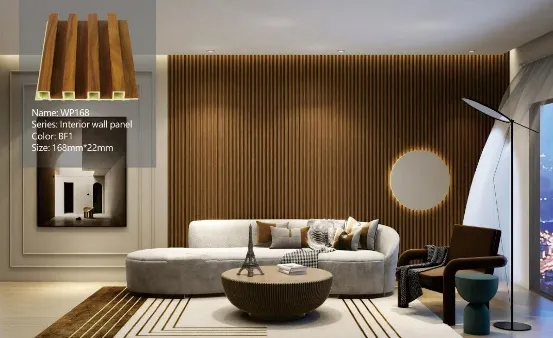
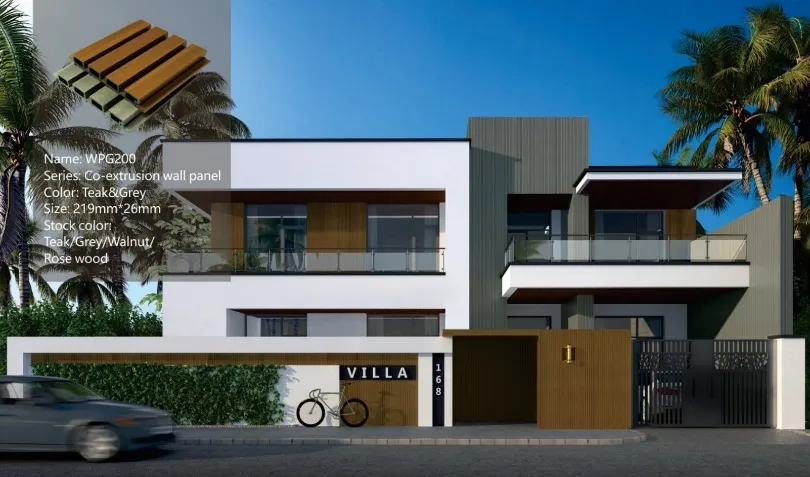
Before diving into supplier comparisons, let's first unpack why WPC wall panels have become so indispensable. Unlike traditional wood panels, WPC panels resist rot, moisture, and pests—critical features in a region where humidity levels can soar and termite infestations are a constant threat. They're also eco-friendly, often made from recycled plastic and wood fibers, aligning with the Middle East's growing focus on sustainable construction. Add to that their ease of installation and low maintenance requirements, and it's no wonder WPC has become a staple for interior and exterior cladding, accent walls, and even ceiling solutions.
But not all WPC panels are created equal. A low-quality panel might look great on day one, but after a few months of exposure to the Middle East's harsh sunlight and occasional rain, it could fade, warp, or crack. Imagine a hotel lobby with peeling WPC accent walls, or a residential development where homeowners are complaining about discolored panels just a year after move-in. These scenarios aren't hypothetical—they're the result of prioritizing price over quality when choosing a supplier.
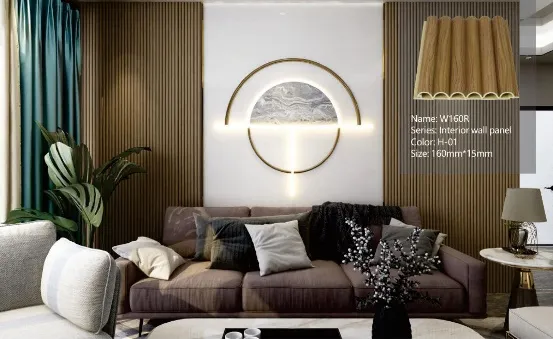
It's tempting to opt for the cheapest WPC wall panel supplier, especially when working with tight budgets. After all, why pay more if you can get a similar-looking product for less? But this line of thinking often overlooks the "hidden costs" of low-quality materials. Let's break it down:
Real-World Example: A mid-sized contractor in Jeddah once chose a budget WPC wall panel supplier for a residential complex, lured by a 20% lower price tag. Six months after completion, homeowners reported panels warping in high humidity, and some even developed mold. The contractor was forced to replace all 500+ panels at their own expense—a cost that exceeded the initial "savings" by 300%. The lesson? Price alone is a poor indicator of value.
When evaluating WPC wall panel suppliers, price is just one piece of the puzzle. To make an informed decision, consider these critical factors:
High-quality WPC panels start with premium raw materials. Look for suppliers who use a balanced blend of recycled and virgin plastic (virgin plastic enhances durability) and sustainably sourced wood fibers. The manufacturing process matters too—advanced extrusion techniques ensure uniform density and strength, while poor processes can lead to weak spots or inconsistent coloring.
Reputable suppliers invest in third-party testing to validate their claims. Certifications like ISO 9001 (quality management), CE marking (compliance with European standards), and fire safety ratings (e.g., Class B or A) are non-negotiable. For commercial projects, ask if the panels meet local regulations, such as Saudi Arabia's SASO standards or the UAE's ESMA requirements.
A top-tier supplier doesn't just sell panels—they offer solutions . This means a diverse product range (e.g., WPC panels in various textures, colors, and sizes) and the ability to customize solutions for specific projects. For example, a hotel might need WPC panels with enhanced UV protection for exterior cladding, while a hospital could require antimicrobial coatings. Suppliers who tailor their offerings to your needs add significant value.
Even the best products can face issues, which is why strong after-sales support is crucial. Does the supplier offer technical assistance during installation? Will they replace defective panels promptly? A robust warranty (5+ years for residential, 10+ for commercial) is a clear sign of confidence in product quality.
To put these factors into perspective, let's compare three leading WPC wall panel suppliers operating in the Middle East. While this isn't an exhaustive list, it highlights the trade-offs between price, quality, and service.
| Supplier Name | WPC Wall Panel Solutions | Quality Certifications | Price Range (per sq.m) | Key Markets | Warranty | Customer Support |
|---|---|---|---|---|---|---|
| Al Saif Building Materials | Exterior cladding, interior accent walls, ceiling panels; wood grain, stone, and solid color finishes | ISO 9001, CE, SASO compliant; Class B fire rating | (AED 45–60) | Residential (70%), Commercial (30%) | 5 years | On-site installation guidance, 24/7 technical hotline |
| Gulf Green Panels | Premium WPC with enhanced UV protection and moisture resistance; custom textures for high-end projects | ISO 9001, ISO 14001 (eco-friendly), Class A fire rating, LEED certified | (AED 75–100) | Commercial (60%), Luxury Residential (40%) | 10 years | Dedicated project manager, post-installation inspection, sample testing |
| BudgetBuild Supplies | Basic WPC panels for interior use only; limited color options | None (self-declared "quality") | (AED 25–35) | Low-cost residential, temporary structures | 1 year (limited coverage) | Email support only; no on-site assistance |
Let's analyze the table: Gulf Green Panels, the premium supplier, charges significantly more upfront, but their certifications (Class A fire rating, LEED compliance) and 10-year warranty make them ideal for high-stakes commercial projects like hospitals or luxury hotels. Al Saif strikes a balance, offering reliable quality at a mid-range price—perfect for residential developments or small commercial spaces. BudgetBuild, on the other hand, may appeal to cost-conscious buyers, but their lack of certifications and minimal warranty raise red flags for long-term projects.
Armed with an understanding of price vs. quality, how do you go about selecting the right WPC wall panel supplier for your project? Here are actionable tips to guide your decision:
Never rely on product photos alone. Ask suppliers for physical samples, then put them through real-world tests: expose them to direct sunlight for a week to check for fading, soak them in water to test moisture resistance, and even scratch the surface to evaluate durability. A supplier confident in their quality will happily provide samples and may even assist with testing.
Anyone can claim to have "ISO certification," but genuine suppliers will provide copies of their certificates upon request. Verify these documents with the issuing bodies (e.g., the International Organization for Standardization) to ensure they're current and legitimate. For fire safety, ask for test reports from accredited labs like SGS or Intertek.
A supplier's best references are their past clients. Ask for a list of recent projects (ideally in the Middle East) and reach out to the contractors or project managers involved. Questions to ask: "How have the panels held up over time?" "Did the supplier meet delivery deadlines?" "How responsive were they to issues?"
Middle Eastern conditions are unique—extreme heat, sandstorms, and high humidity demand panels designed for the region. Suppliers with local manufacturing facilities or regional offices often have a better understanding of these challenges and can offer tailored solutions (e.g., WPC panels with added heat stabilizers).
At the end of the day, choosing a WPC wall panel supplier isn't about finding the cheapest option—it's about finding the best value. A slightly higher upfront cost for quality panels from a reputable supplier can save you thousands in maintenance, replacements, and reputational damage down the line. Whether you're building a residential complex, a hotel, or a school, remember: the walls of your project aren't just structures—they're the backdrop to people's lives, work, and memories. They deserve to be built to last.
As the Middle East continues to grow as a hub for innovative construction, the demand for reliable building materials will only increase. By prioritizing quality over price and partnering with suppliers who understand your project's unique needs, you'll not only create spaces that stand the test of time but also build a reputation as a professional who delivers excellence—one WPC panel at a time.
Recommend Products











