
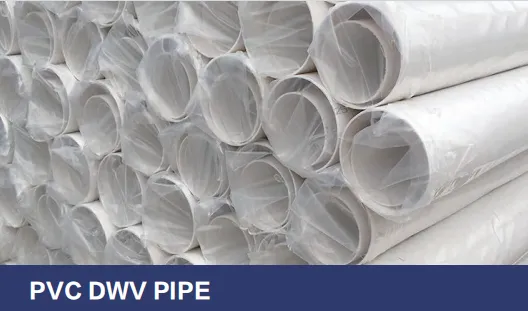
In the world of construction, every component matters—but few are as quietly critical as the pipes that keep our buildings functional. Among these, PVC DWV (Drain, Waste, and Vent) pipes play a starring role, carrying away wastewater, preventing clogs, and ensuring proper ventilation to keep indoor air fresh and safe. Whether you're building a cozy home, a bustling office complex, or a state-of-the-art hospital, choosing the right PVC DWV pipe supplier can make or break your project. But here's the dilemma many contractors and developers face: Should you go with an international supplier, backed by global brand recognition, or a local provider with roots in your region? It's a choice that touches on everything from project timelines and budgets to long-term reliability and even sustainability. Let's dive into this comparison, exploring the strengths, weaknesses, and real-world implications of both options.
Before we jump into suppliers, let's take a moment to appreciate why PVC DWV pipes are non-negotiable in modern construction. Unlike other plumbing components, these pipes handle more than just water—they manage waste, sewage, and even harmful gases, all while resisting corrosion, chemicals, and temperature fluctuations. A faulty DWV system can lead to leaks, mold growth, unpleasant odors, or even structural damage—costing time, money, and reputation. That's why choosing a reliable supplier isn't just about buying pipes; it's about investing in the safety and longevity of a building. And when it comes to reliability, the choice between international and local suppliers often comes down to trade-offs in quality, cost, and convenience.
International PVC DWV pipe suppliers are the giants of the industry—think companies with decades of experience, factories spanning continents, and a portfolio that includes projects from New York skyscrapers to Dubai malls. These suppliers thrive on scale, standardization, and a reputation for adhering to strict global quality standards. For example, many international players hold certifications like ISO 9001 (quality management), ASTM D2665 (the gold standard for PVC DWV pipes in the U.S.), or CE marking (for the European market). This makes them a go-to for large-scale, cross-border projects where compliance with international building codes is non-negotiable.
One of the biggest draws of international suppliers is their product range. Need a specific diameter for a high-rise's vertical drainage? A specialized thickness for a hospital's chemical-resistant waste lines? Chances are, an international PVC DWV pipe supplier has it in stock—or can manufacture it. They also often invest heavily in R&D, introducing innovations like smoother inner walls to reduce clogs or recycled PVC blends to meet sustainability goals. For developers working on global projects, this consistency is invaluable; using the same supplier across sites in Riyadh, London, and Singapore means fewer surprises and streamlined quality control.
But global reach comes with trade-offs. Let's start with lead times. Shipping pipes from a factory in Europe or Asia to a construction site in Saudi Arabia, for instance, can take 4–8 weeks—assuming no delays at customs or port congestion. For projects on tight deadlines, that wait can derail schedules. Then there's cost: international suppliers often charge premium prices, and when you add shipping, tariffs, and import taxes, the total cost can be 30–50% higher than local alternatives. Language and cultural barriers can also complicate communication; a technical question about pipe specifications might get lost in translation, or a last-minute order change could face bureaucratic hurdles in a foreign office.
Sustainability is another consideration. While many international suppliers tout eco-friendly practices—like using renewable energy in factories or recyclable packaging—the carbon footprint of shipping pipes across oceans is significant. A 2023 study by the Construction Sustainability Institute found that transporting PVC pipes from Europe to the Middle East adds approximately 1.2 tons of CO2 per container, a factor that's increasingly important to clients and regulators focused on green building certifications like LEED or BREEAM.
Local PVC DWV pipe suppliers, by contrast, are the "neighborhood experts" of the industry. These are often family-owned businesses or regional manufacturers with deep roots in a specific market—say, a Saudi Arabia-based supplier that's been serving the Gulf construction industry for 20 years. Their strength lies in understanding the unique needs of their region, from local building codes to climate challenges. In Saudi Arabia, for example, a local supplier might engineer pipes with enhanced heat resistance to withstand the country's scorching summers, or collaborate with local contractors to develop DWV solutions tailored to the rapid growth of residential and commercial projects in cities like Riyadh and Jeddah.
Speed is perhaps the biggest advantage of local suppliers. Need a rush order for a burst pipe repair in a shopping mall? A local supplier can often deliver within 24–48 hours, with trucks that navigate regional roads (and traffic!) more efficiently than international shipping lines. This agility is a lifesaver for projects with tight deadlines, where a week-long delay could push back occupancy dates and cost developers thousands in lost revenue. Local suppliers also eliminate shipping costs and import tariffs, making their prices significantly more competitive upfront—often 20–30% lower than international counterparts for comparable products.
Another perk? Personalized service. Local suppliers tend to have smaller client bases, which means they can offer one-on-one support: a sales rep who visits your construction site to assess needs, a technician who helps troubleshoot installation issues, or a manager who bends over backward to adjust an order. For small-to-medium contractors, this level of attention can make a big difference—especially when navigating complex local regulations. Imagine a local supplier in Riyadh that not only sells you pipes but also provides free training on Saudi building code updates or connects you with trusted plumbers in the area. That's the kind of partnership international suppliers, with their global hierarchies, often struggle to match.
Of course, local suppliers have limitations. Their product ranges are often narrower—focused on the most in-demand sizes and specifications for regional projects. If you need a specialized pipe for a hospital's Class A fireproof requirements (like the class a fireproof cpl inorganic board for hospital and school solutions mentioned in some supplier portfolios), a local provider might not have the certifications or manufacturing capacity to deliver. Quality control can also vary; while some local suppliers invest in modern factories, others cut corners to keep prices low, leading to inconsistent thickness, weak joints, or pipes that degrade faster than expected. And for international projects—say, a Saudi developer building in Europe—local suppliers lack the global certifications needed to comply with foreign codes.
| Criteria | International Suppliers | Local Suppliers |
|---|---|---|
| Product Range | Wide: Specialized sizes, thicknesses, and materials (e.g., recycled PVC blends, chemical-resistant variants). | Limited: Focused on high-demand regional specifications; fewer specialized options. |
| Certifications | Global: ISO, ASTM, CE, and other international standards for cross-border projects. | Local/Regional: Compliance with national codes (e.g., SASO in Saudi Arabia) but fewer global certifications. |
| Delivery Time | 4–8 weeks (includes manufacturing, shipping, and customs clearance). | 1–3 weeks (local production and regional logistics). |
| Pricing | Higher: Includes manufacturing, shipping, tariffs, and brand markup (20–50% more than local). | Lower: Competitive regional pricing with no international shipping costs (20–30% cheaper upfront). |
| After-Sales Support | Remote: Email/phone support with potential delays due to time zones or language barriers. | In-Person: On-site visits, local technicians, and faster response times for issues. |
| Sustainability | Carbon-heavy shipping but may use renewable energy in factories or recycled materials. | Lower carbon footprint (local production) but may lag in green tech investments. |
| Project Fit | Large-scale, international, or specialized projects (e.g., hospitals, skyscrapers). | Small-to-medium, regional projects with tight deadlines (e.g., residential complexes, local malls). |
So, how do you decide between international and local PVC DWV pipe suppliers? It starts with asking the right questions about your project:
1. Project Scale & Complexity: For a mega-project like a 50-story hotel in Dubai, you might need the volume and specialized products of an international supplier. For a 10-unit apartment building in Dammam, a local supplier's speed and affordability could be better.
2. Timeline Pressure: If your client is demanding occupancy in 6 months, local suppliers are often the only way to avoid delays. International lead times (4–8 weeks) can throw off even the best-laid schedules.
3. Budget Constraints: Local suppliers save money upfront, but factor in long-term costs: Will cheaper pipes need replacement sooner? International suppliers often offer longer warranties (10–15 years vs. 5–7 for local), which can offset higher initial prices.
4. Compliance Needs: If your project requires global certifications (e.g., ASTM for a U.S.-funded hospital in Riyadh), international suppliers are non-negotiable. For local projects, regional certifications (like SASO) from local suppliers are sufficient.
5. Sustainability Goals: If your client prioritizes low carbon emissions, local suppliers have an edge (no transoceanic shipping). But if green certifications require recycled materials or renewable energy, some international suppliers may have better credentials.
In 2024, a mid-sized contractor in Jeddah took on a 20-building residential complex with a strict 8-month deadline. The client, a local developer, needed the project completed before the summer heat made construction unbearable. The contractor initially considered an international PVC DWV pipe supplier, drawn to their ASTM certifications. But after learning the lead time was 6 weeks (plus potential customs delays), they pivoted to a local Saudi supplier. The local team delivered the first batch of pipes in 10 days, sent technicians to train the installation crew, and even adjusted the order mid-project when the architect changed pipe diameters. The result? The complex was finished on time, and the contractor saved 25% on piping costs—funds they reinvested in upgrading finishes for the client.
A multinational hospital chain expanding into Riyadh faced a unique challenge: their new facility needed to meet both Saudi building codes and the chain's global safety standards, which required ASTM-certified DWV pipes. Local suppliers couldn't provide the necessary documentation, so the chain turned to an international PVC DWV pipe supplier with a track record in healthcare projects. The supplier not only delivered pipes with ASTM D2665 certification but also provided third-party lab reports verifying chemical resistance (critical for hospital waste) and a 15-year warranty. While the upfront cost was 30% higher than local options, the chain avoided costly rework and ensured compliance with their global brand standards—a priority for maintaining trust with patients and regulators.
As the construction industry evolves, we're seeing a new trend: collaboration between international and local suppliers. International giants are partnering with regional manufacturers to license their technology, helping local suppliers upgrade factories and meet global certifications. For example, an international supplier might share its recycled PVC with a Saudi partner, allowing the local company to produce eco-friendly pipes for the Middle East market—combining global quality with local speed. On the flip side, local suppliers are leveraging digital tools (like real-time inventory apps and online ordering) to compete with international efficiency, while international players are investing in regional warehouses to reduce delivery times.
This hybrid model could be the best of both worlds: the reliability of international standards with the agility of local service. For contractors and developers, it means more choices—and more opportunities to tailor solutions to their project's unique needs.
At the end of the day, choosing between an international and local PVC DWV pipe supplier isn't just about comparing specs or prices—it's about finding a partner who understands your project's goals, challenges, and timeline. International suppliers bring global expertise and consistency, while local suppliers offer speed, affordability, and regional insight. The "right" choice depends on what matters most to you: Is it meeting a tight deadline? Staying under budget? Complying with global standards? Or building a long-term relationship with a supplier who knows your market inside out?
For many projects, the answer might even be a mix: using international suppliers for critical, high-spec components and local suppliers for standard, time-sensitive parts. Whatever you choose, remember: the best suppliers—whether global or local—are those who don't just sell you pipes, but work with you to ensure your project's success. After all, in construction, every pipe, every fitting, and every supplier choice is a building block for something bigger: a space where people live, work, and thrive.
Recommend Products












