
In the world of construction and infrastructure, time is more than just a metric—it's a currency. Every day saved on-site translates to lower labor costs, faster project turnarounds, and happier clients. When it comes to plumbing and piping systems, one of the most critical decisions that impacts timeline is the choice between materials: modern plastic valve system solutions and the traditional metal options that have been relied on for decades. While metal has a long history of durability, the rise of plastic-based systems has introduced a new variable into the equation: speed. Let's dive into how these two options stack up when it comes to installation time, and why that matters for everyone from contractors to building owners.
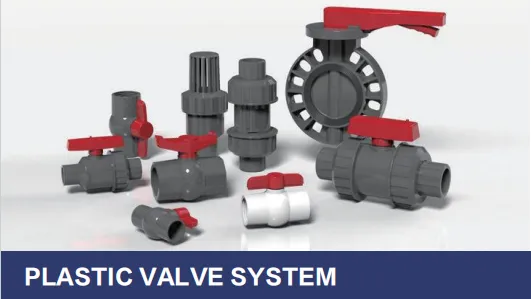
Before we compare installation times, let's clarify what we're dealing with. Plastic valve system solutions are part of a broader category of modern piping systems that include materials like PVC (polyvinyl chloride), UPVC (unplasticized PVC), PPR (polypropylene random copolymer), and PE (polyethylene). These systems are designed to be lightweight, corrosion-resistant, and easy to handle, making them a staple in residential, commercial, and even some industrial projects. They're often paired with pipes fittings solutions that are engineered for quick, secure connections—think solvent cement, push-fit joints, or socket fusion.
On the other side of the ring are traditional metal systems, which typically include materials like galvanized steel, cast iron, and copper. For generations, these metals were the go-to for their strength and perceived longevity. They're still used in applications where extreme pressure or high temperatures are a concern, but their reputation for being "tough" comes with a trade-off: they're heavy, cumbersome, and require specialized skills to install. From threading pipes to soldering joints, metal installation is a labor-intensive process that has barely changed in decades.
Installation time isn't just about how fast you can connect two pipes—it's a combination of handling, preparation, tools, and the reliability of the connection method. Let's break down the factors that make plastic valve system solutions and traditional metal options so different in this regard.
Anyone who has ever carried a 10-foot length of galvanized steel pipe knows: metal is heavy. A standard 2-inch diameter steel pipe weighs around 10 pounds per foot, while a comparable UPVC pipe weighs just 1.5 pounds per foot. That difference adds up quickly on a job site. For a team installing a 50-meter run of piping, metal pipes require more workers, more trips, and more to avoid injury. Plastic pipes, by contrast, can be carried by a single person, maneuvered around tight corners, and lifted into place without the need for heavy machinery like cranes or forklifts.
This lightness also speeds up transportation to the job site. A truck can carry twice as many plastic pipes as metal ones, reducing delivery delays and the need for multiple shipments. When time is tight—say, in a commercial project with overlapping trades—every minute saved on moving materials is a minute gained on actual installation.
Traditional metal installation demands a toolbox full of specialized, often heavy equipment. Threading steel pipes, for example, requires a pipe threader—a bulky machine that clamps onto the pipe and cuts grooves for connections. This process isn't just slow; it's messy, producing metal shavings that need cleanup, and if the threads are cut unevenly, the joint may leak, requiring rework. Soldering copper pipes (another common metal option) adds even more steps: cleaning the pipe, applying flux, heating with a torch, and waiting for the solder to cool. One misstep, and you're starting over.
Plastic valve system solutions, on the other hand, thrive on simplicity. Most plastic pipes and valves can be cut with a basic handsaw or a ratchet-style pipe cutter—tools that cost a fraction of a pipe threader and are easy to use even for less experienced installers. Deburring the cut edges takes seconds with a simple tool, and joining methods like solvent cement (for PVC/UPVC) or push-fit connectors (for PEX) require minimal skill. Solvent cement, for example, works by softening the plastic surfaces, which then fuse together as the cement dries. The joint sets in minutes and is fully cured within 24 hours, but in many cases, you can test the system within an hour—no waiting for solder to cool or threads to seal.
The way pipes and valves are joined is perhaps the biggest driver of installation time differences. For metal, the gold standard is threading—a process that, as mentioned, is time-consuming. A skilled worker might thread 10-15 metal pipe joints in an hour, but that number drops if the pipes are large or the threads need to be precise. Even worse, threaded joints require Teflon tape or pipe dope to prevent leaks, adding another step to each connection.
Plastic systems, by contrast, use joining methods that are designed for speed. Solvent cement for PVC/UPVC is a game-changer: apply the cement to both the pipe and the fitting, twist to spread evenly, and hold for 30 seconds. That's it. No threading, no tape, no waiting for a sealant to dry. Push-fit systems, common in PEX and some UPVC applications, are even faster—simply insert the pipe into the fitting, and a stainless-steel ring locks it in place. These connections can be made in seconds, and they're leak-resistant by design. In fact, many plastic pipe manufacturers claim their systems can reduce joint installation time by up to 70% compared to metal threading.
Metal pipes are prone to corrosion, especially in environments with moisture or chemicals. Before installing, metal surfaces often need to be cleaned of rust, grease, or debris—steps that add time to the process. Even with cleaning, there's always a risk that hidden corrosion will weaken the joint over time, leading to leaks and costly repairs down the line. Plastic, on the other hand, is inherently corrosion-resistant. Pipes and valves arrive at the job site ready to install, with no need for sandblasting, painting, or coating. This "plug-and-play" nature eliminates hours of prep work, letting installers focus on actually laying the system.
To put these differences into perspective, let's walk through a hypothetical scenario: installing a 100-foot plumbing line with 15 valves and fittings in a mid-rise residential building. We'll track the time taken for each step using traditional metal (galvanized steel) and modern plastic (UPVC) systems.
| Installation Step | Traditional Metal (Galvanized Steel) | Plastic Valve System Solutions (UPVC) | Time Saved with Plastic |
|---|---|---|---|
| Transporting materials to the job site | 2 hours (requires 2 workers, forklift assistance) | 30 minutes (1 worker, hand-carried) | 1.5 hours |
| Cutting pipes to length | 2 hours (hacksaw or power cutter; slower due to density) | 45 minutes (pipe cutter; plastic cuts cleanly and quickly) | 1.25 hours |
| Threading pipes and valves | 5 hours (10-15 minutes per joint with pipe threader; includes cleanup of shavings) | 0 hours (no threading needed) | 5 hours |
| Joining pipes and valves | 3 hours (applying Teflon tape, tightening with wrenches; rework for leaks) | 1 hour (solvent cement application; 30-second hold per joint) | 2 hours |
| Testing for leaks | 2 hours (pressure testing; waiting for threads to seal; rework if leaks found) | 1 hour (pressure testing; solvent cement sets quickly) | 1 hour |
| Total Installation Time | 14 hours (2 days with typical work hours) | 3.25 hours (less than 1 day) | 10.75 hours (77% time savings) |
In this example, the plastic valve system solution cuts installation time by nearly 80%, turning a two-day job into a half-day project. Multiply this across an entire building—say, 10 similar lines—and the savings balloon to over 100 hours, or more than two weeks of work. For contractors paying workers $30-$50 per hour, that's a savings of $3,000-$5,000 per line. And that doesn't include the indirect costs of delayed project milestones or penalties for missing deadlines.
These hypothetical numbers aren't just theory—they're backed by real-world projects. Take the case of a 50-unit apartment complex in Riyadh, Saudi Arabia, where the contractor initially planned to use traditional metal valves and pipes. The project timeline called for plumbing installation to be completed in 6 weeks, but after the first week, delays due to slow metal installation put the schedule at risk. The contractor switched to plastic valve system solutions and upvc pipe solutions , and the result was striking: the remaining 45 units were plumbed in just 3 weeks, cutting the timeline in half and avoiding costly penalties for late delivery.
Hospitals are another setting where installation speed is critical—downtime in patient areas can disrupt care. A recent renovation of a 20-bed ward at a Jeddah hospital required updating the plumbing system to meet modern fire safety and hygiene standards. The original plan used copper piping (a metal alternative) with soldered joints, which would have required shutting down the ward for 10 days. By switching to plastic valve system solutions and PPR pipes, the team was able to install the new system in just 4 days. The key? Push-fit joints that eliminated the need for soldering, and lightweight materials that allowed workers to maneuver in tight spaces without disrupting patient care. The hospital saved over $50,000 in lost revenue from reduced downtime.
While installation time is a major draw, plastic valve systems offer benefits that extend beyond speed. For one, they're often more cost-effective upfront. Plastic materials are generally cheaper than metal, and when combined with lower labor costs (thanks to faster installation), the total project cost can drop by 20-30%. They're also low-maintenance: unlike metal, plastic doesn't rust or corrode, so there's no need for regular inspections or replacements. In areas with hard water or chemical exposure, this longevity is a game-changer.
Plastic systems are also more flexible, literally and figuratively. PEX pipes, for example, can bend around corners without the need for elbow fittings, reducing the number of joints (and potential leak points). This flexibility makes them ideal for retrofits or projects with complex layouts, where metal pipes would require more fittings and longer installation times.
To be fair, plastic isn't perfect for every scenario. In applications with extremely high pressure (like industrial manufacturing) or temperatures above 140°F (like commercial boilers), metal still reigns supreme. Copper, for example, is often used in HVAC systems because it conducts heat well. Cast iron is preferred for underground sewer lines in areas with heavy traffic, as it can withstand more physical stress. However, for most residential, commercial, and light industrial projects—think office buildings, schools, hospitals, and apartment complexes—plastic valve system solutions offer a better balance of speed, cost, and performance.
While plastic is fast to install, it's not without its learning curve. Some older contractors may be more familiar with metal systems and resistant to switching, requiring training on new tools and techniques. Additionally, plastic pipes can expand and contract with temperature changes, so installers need to account for that with proper spacing and support. Finally, not all plastic systems are created equal—working with a reputable plastic valve system supplier is key to ensuring the materials meet industry standards for pressure, durability, and safety.
In the battle between plastic valve system solutions and traditional metal, there's no denying that plastic has revolutionized installation times. From lightweight handling to quick-connect joints, every aspect of plastic systems is engineered to save time—time that translates to lower costs, faster project completions, and happier clients. While metal still has its place in specialized applications, the majority of modern construction projects are finding that plastic offers the best combination of speed, affordability, and reliability.
As the construction industry continues to prioritize efficiency, it's clear that plastic valve system solutions and complementary pipes fittings solutions will only grow in popularity. For contractors, building owners, and even homeowners, the message is simple: when it comes to installation time, plastic isn't just a choice—it's a competitive advantage.
Recommend Products












