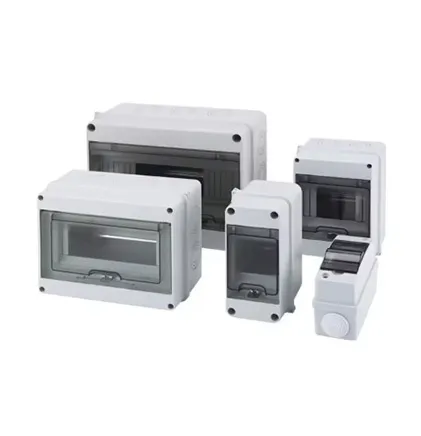
That familiar sound of your circuit breaker clicking off - we've all been there. Distribution boxes are the unsung heroes of our electrical systems, quietly managing power until something goes wrong. When they start tripping, overheating, or making strange noises, it's more than just an inconvenience - it's your home's cry for help. In this guide, we'll walk through these common issues like neighbors sharing DIY stories, turning technical headaches into problems you can actually solve.
1. When Breakers Won't Stay On: The Tripping Dilemma
Why Your Breaker Keeps Saying "Enough!"
You're in the middle of dinner prep when suddenly the kitchen goes dark. Sound familiar? That's tripping in action - your distribution box's safety mechanism screaming "danger!" Here's why it happens:
-
The Overworked Hero:
Plug too many appliances into one circuit and your breaker feels like it's carrying the weight of the world. Hair dryers, microwaves, space heaters - they're all greedy power monsters.
-
Ghosts in the Wiring:
When hot and neutral wires touch where they shouldn't, it's like forcing electrical traffic into a head-on collision. Damaged insulation from pests or aging wiring often causes these sneak attacks.
-
Ground Faults - Silent Saboteurs:
Picture electricity taking an unauthorized detour through water or even you. Moisture around outlets or damaged appliances creates these dangerous detours.
-
The Aging Warrior:
Just like us after too many birthdays, breakers get tired. Old ones lose their tolerance and trip at the first sign of trouble, like an overly cautious bouncer.
Troubleshooting Like a Pro
-
The Unplug Dance:
When a breaker trips, resist the urge to immediately flip it back. Instead, play detective - unplug everything on that circuit first.
-
The Hunger Games Test:
Plug items back in one by one, giving each appliance a moment to reveal itself as the energy hog causing the problem.
-
Multimeter Magic:
For recurring trips without obvious culprits, check voltage across terminals. Irregular readings? You've got wiring issues needing attention.
-
The Replacement Test:
If you suspect an exhausted breaker, swap it with one from a trouble-free circuit. If the problem migrates, you've found your tired old soldier.
Pro Tip: Invest in AFCI breakers for bedroom circuits. They're like guard dogs for your wiring, sniffing out dangerous arcs before fires start.
2. That Smell of Trouble: Overheating Issues
When Your Distribution Box Feels Feverish
Ever touched your distribution box cover and jerked back from unexpected heat? That warmth is your system crying out from the stress. Here's what could be cooking up trouble:
-
Bad Handshake Connections:
Loose wire connections create resistance. And where there's resistance, there's heat - like the friction from rubbing hands together constantly.
-
Undersized Wiring:
Using skinny wires for heavy loads is like drinking a thick milkshake through a coffee stirrer - everything backs up and overheats.
-
Cramped Quarters:
Distribution boxes jammed to capacity are like crowded subway cars at rush hour - all that body heat has nowhere to escape.
-
Dust Bunnies Attack:
Those innocent-looking dust layers inside your box are actually fluffy thermal blankets keeping heat where it shouldn't be.
Cooling Down Hot Situations
-
Night Vision Check:
Do a twilight inspection with lights off. Any glowing connections or sparks? That's an emergency - shut down and call a pro immediately.
-
Thermometer Safari:
Use an infrared thermometer to scan terminals and breakers. Spot anything 10°F+ hotter than its neighbors? That's your trouble spot.
-
The Torque Tango:
Many electricians swear by the torque screwdriver. Properly tightened connections can mean the difference between safety and disaster.
-
Breathing Room:
If your box is bursting at the seams, think expansion. Adding a subpanel beats living with fire hazards any day.
Housekeeping Hack: Twice yearly, shut off power and gently vacuum your distribution box with a soft brush attachment. Your breakers will thank you with cooler operation.
3. The Soundtrack of Problems: Abnormal Noises
Crackles, Buzzes, and Hums - Oh My!
Your distribution box should be the quietest appliance in your house. When it starts performing sound effects, it's telling stories you need to hear:
-
The Angry Bee Buzz:
That 60Hz hum means electricity is fighting resistance. Could be loose wires or a failing transformer - definitely not background music to ignore.
-
Crackle & Pop Symphony:
This isn't your breakfast cereal. These sounds often signal arcing - miniature lightning bolts jumping gaps they shouldn't.
-
Metal Stress Moans:
As components heat up and cool down, they expand and contract. But loud creaking could mean thermal runaway brewing.
-
The Sizzle of Danger:
That bacon-frying sound without the bacon? Pure trouble. Likely indicates serious arcing or failing insulation.
Silencing the Troublemakers
-
Stethoscope Sleuthing:
Use a mechanic's stethoscope to pinpoint noise locations. Never use conductive tools inside live panels!
-
Vibration Detective:
Place your fingertips lightly on the panel cover (never inside!). Excessive vibration often accompanies bad magnetic components.
-
The Quiet Test:
Switch off circuits one by one. When the noise stops, you've found the problem child circuit.
-
Infrared Vision:
Pair noise investigation with thermal imaging. Where noise and heat intersect, problems live.
Sound Diary: Keep notes of when noises happen - during heavy appliance use? After rain? These clues help professionals diagnose faster.
The Safety Net: Working Smart
Electricity doesn't forgive mistakes. Before touching anything:
-
Invest in a quality voltage tester and
always
test before touching.
-
Use insulated tools rated for electrical work - your regular screwdriver isn't worth the risk.
-
Wear rubber-soled shoes and stand on a dry rubber mat.
-
Keep one hand behind your back - prevents accidental current across your heart.
-
When upgrading components, choose reputable brands from reliable
electrical equipment
suppliers for lasting solutions.
When DIY Isn't Enough
There's brave and there's foolish. Call a licensed electrician immediately if you encounter:
-
Burnt smells or visible smoke
-
Discolored or charred components
-
Multiple breakers tripping simultaneously
-
Voltage readings that jump around unpredictably
-
Water infiltration into the panel
Avoiding that service call seems smart until you consider the alternative - the average electrical fire causes $35,000 in damage. Suddenly, professional help looks like a bargain.
The Maintenance Rhythm
Like changing your car's oil, distribution boxes thrive on regular care:
-
Monthly:
Quick visual check for obvious issues
-
Biannually:
Gentle cleaning and terminal inspection
-
Every 5 Years:
Professional load testing and thermal scan
-
At 25 Years:
Full system evaluation for obsolescence
This routine keeps your system humming safely for decades, preventing those midnight trips to the basement to reset breakers.
A Future-Proof Approach
Homes today demand far more power than when most distribution boxes were installed. Consider these upgrades:
-
Arc-Fault Breakers:
Detect dangerous sparking before fires start - now required in many areas for bedrooms.
-
Whole-Panel Surge Protection:
Shields every circuit, not just expensive electronics.
-
Service Upgrades:
If your home still sports a 100A service, you're living with electrical anorexia.
-
Zone Monitoring:
Smart panels that alert you to problems via smartphone.
This isn't just about preventing headaches - it's about keeping your family safe through the decades as technology evolves.
Final Thoughts
Your distribution box deserves more than just emergency attention when it misbehaves. Understanding tripping, overheating, and noise issues transforms you from frustrated homeowner to empowered protector. Remember:
-
Tripping is your system's cry for help - don't just reset blindly
-
Heat equals inefficiency and danger - cool heads solve hot problems
-
Noises tell stories of hidden issues - learn the language
-
Preventative care beats emergency repairs every time
-
Knowing when to call a pro makes you the smartest person in the room
With this knowledge, you're equipped to keep your home's electrical heart beating safely for decades to come.