
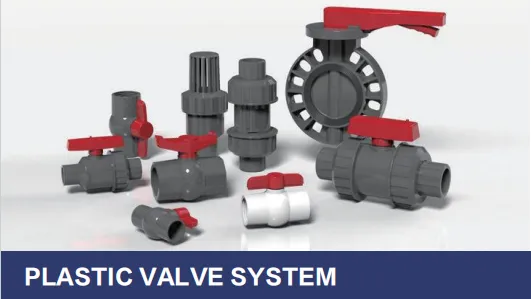
In the bustling world of construction—whether you're putting up a residential complex, a commercial high-rise, or a hospital—every component matters. From the foundation to the finishing touches, the materials you choose can make or break a project's success. Among these critical components, plastic valve systems often fly under the radar, but they're the unsung heroes of plumbing, HVAC, and irrigation networks. Lightweight, corrosion-resistant, and cost-effective, they've become a staple for both residential building materials suppliers and commercial building materials suppliers across Saudi Arabia and beyond. But here's the catch: not all plastic valve systems are created equal. Even the most well-planned projects can hit snags when these valves fail to perform. Let's dive into the common headaches contractors and builders face with plastic valve systems, and more importantly, how a trusted plastic valve system supplier turns those headaches into non-issues.
Before we jump into the problems, let's take a moment to appreciate why plastic valve systems are so widely used. Unlike metal valves, they don't rust, which is a game-changer in humid climates or areas with aggressive water chemistry. They're also easier to install—no heavy lifting or specialized tools required—and they're often more affordable, which helps keep project budgets in check. From controlling water flow in a residential bathroom to managing industrial-scale irrigation systems, plastic valves are everywhere. But their ubiquity doesn't make them immune to flaws. In fact, when corners are cut in manufacturing or sourcing, these small components can lead to big problems: leaks that damage drywall, system failures that delay timelines, and even safety risks in sensitive environments like hospitals or schools. That's where the right supplier comes in. A reliable plastic valve system supplier isn't just a vendor—they're a partner who understands the stakes and works to prevent these issues before they start.
One of the biggest concerns with plastic valve systems is material quality. Not all plastics are the same, and using low-grade or recycled materials might save a few dirhams upfront, but it's a recipe for disaster down the line. Imagine this: a new apartment building's plumbing system uses valves made from cheap, brittle plastic. Within a year, residents start complaining about leaks. Upon inspection, the valves have cracked—some even shattered—due to exposure to temperature fluctuations. The culprit? The plastic degraded prematurely, losing its flexibility and strength. This isn't just a maintenance nightmare; it's a reputation hit for the builder and a safety risk for occupants.
How a Trusted Plastic Valve System Supplier Solves This: A top-tier supplier knows that material quality is non-negotiable. They source raw materials from reputable manufacturers and avoid cutting costs with recycled or substandard plastics. For example, leading suppliers often use virgin PVC or PPR resins that meet international standards like ASTM or ISO. They also subject their valves to rigorous testing—exposing samples to extreme temperatures, pressure, and chemical exposure—to ensure they hold up over time. Some even provide certificates of analysis (COA) for each batch, so you can see exactly what's in the valve and how it performed in tests. When you work with a supplier who prioritizes material integrity, you're not just buying a valve—you're buying peace of mind that it will last as long as the building itself.
Leaks are the bane of any plumber's existence, and more often than not, they trace back to a simple problem: poor fit. Plastic valves rely on precise sizing and threading to connect seamlessly with pipes—whether it's a PVC DWV pipe from a pvc dwv pipe supplier or PPR fittings from a ppr pipe and fitting supplier. But when a valve's dimensions are off by even a millimeter, the result is a loose connection that drips, sprays, or worse, bursts under pressure. Think about a commercial kitchen where a misaligned valve under the sink goes undetected for weeks. By the time the leak is found, water has seeped into the subfloor, causing mold growth and requiring expensive repairs. Or a hospital where a leaking valve in the HVAC system disrupts temperature control in a patient room—compromising comfort and care. These aren't just costly; they're avoidable.
How a Trusted Plastic Valve System Supplier Solves This: Precision is key here, and a reliable supplier invests in state-of-the-art manufacturing to ensure every valve meets exact specifications. They use computer-aided design (CAD) and automated production lines to maintain consistency in threading, diameter, and port size. Many also offer custom fitting services, working closely with pvc dwv pipe suppliers or ppr pipe and fitting suppliers to ensure compatibility across brands. Before shipping, each valve undergoes pressure testing—simulating real-world conditions to check for leaks. Some suppliers even provide sample kits, so you can test the fit with your existing pipes before placing a bulk order. The result? Tight, leak-free connections that keep projects on track and budgets intact.
Imagine ordering 500 valves for a housing project. The first 100 install perfectly, but the next batch? Half of them have rough edges that damage gaskets, and a handful won't open or close smoothly. This inconsistency is a common problem with low-quality suppliers, and it's a major source of frustration. Inconsistent quality can stem from shoddy manufacturing practices, lack of quality control, or even using different raw materials from batch to batch. For contractors, this means wasted time sorting through valves, replacing faulty ones, and explaining delays to clients. In the worst cases, it can lead to mixed performance in the field—some valves holding up, others failing—making it impossible to predict system reliability.
How a Trusted Plastic Valve System Supplier Solves This: Consistency is built into the process for reputable suppliers. They implement strict quality control (QC) protocols at every stage of production, from raw material inspection to final packaging. This might include automated vision systems that check for defects like cracks or uneven surfaces, or manual inspections by trained technicians. Many suppliers also use statistical process control (SPC), monitoring production data in real time to catch variations before they become issues. For example, if a machine starts producing valves with slightly thicker walls, the system flags it immediately, and adjustments are made. The best suppliers also batch-code their products, so if a problem does arise, they can trace it back to a specific production run and address it quickly. When you partner with a supplier who values consistency, you know that the 500th valve will perform just as well as the first.
Building codes and industry standards exist for a reason: to keep people safe. In Saudi Arabia, for example, commercial buildings must adhere to strict regulations for plumbing and fire safety. Plastic valve systems used in these projects need certifications to prove they meet standards like SASO (Saudi Arabian Standards Organization) or ASTM. But some suppliers skip these certifications to save time and money, selling valves that "meet" standards on paper but fail in practice. The risk here is enormous. A valve that doesn't meet fire safety standards could melt in a blaze, blocking emergency water flow. One that's not certified for potable water might leach chemicals into drinking supplies. For builders, using non-compliant valves can lead to failed inspections, project delays, fines, or even legal liability if something goes wrong.
How a Trusted Plastic Valve System Supplier Solves This: Compliance is non-negotiable for a reputable supplier. They invest in third-party testing to earn certifications from organizations like SASO, ISO, and ASTM, and they make these certifications easy to access—whether through their website, product datasheets, or direct requests. For specialized projects, like hospitals or schools, they offer valves that meet additional standards, such as low lead content or Class A fire resistance (similar to how a class a fireproof cpl inorganic board for hospital and school supplier prioritizes safety). They also stay up-to-date on local regulations, so if Saudi Arabia updates its plumbing codes, they adjust their products accordingly. When you work with a compliant supplier, you're not just avoiding penalties—you're ensuring the safety of everyone who uses the building.
Let's say you've installed your plastic valves, and a month later, you notice a few aren't functioning as expected. You reach out to the supplier, but their response is slow, unhelpful, or nonexistent. Sound familiar? Poor after-sales support is a common complaint in the building materials industry, and it's a problem that goes beyond frustration. Without technical guidance, contractors might misdiagnose issues, leading to unnecessary replacements or repairs. Without a clear returns process, defective valves become a financial loss. And without access to replacement parts, a single faulty valve can hold up an entire section of a project. For small contractors or those new to a product, this lack of support can be a major barrier to success.
How a Trusted Plastic Valve System Supplier Solves This: A great supplier doesn't just sell you a product—they stand behind it. They offer dedicated technical support teams that are available by phone, email, or even on-site visits to help troubleshoot issues. They provide detailed installation guides, video tutorials, and FAQs to ensure proper use. If a valve is defective, they have a hassle-free returns policy, often covering shipping costs and expediting replacements to keep your project on track. Some suppliers even offer training sessions for your team, teaching them how to identify potential issues, maintain valves, and extend their lifespan. For example, a ppr pipe and fitting supplier might pair with a plastic valve system supplier to host joint workshops on system design and installation best practices. When you choose a supplier with strong support, you're not just buying valves—you're gaining a resource that helps your business thrive.
At the end of the day, the issues with plastic valve systems often boil down to one thing: cutting corners. Whether it's using cheap materials, skipping quality checks, or ignoring compliance, low-quality suppliers prioritize profit over performance. But a trusted plastic valve system supplier does the opposite. They invest in materials, manufacturing, and support because they know their success is tied to yours. They understand that a leaky valve isn't just a product failure—it's a failure of trust.
To illustrate this, let's look at a quick comparison of common issues and how a top supplier addresses them:
| Common Issue | Why It Happens (Low-Quality Supplier) | How a Trusted Supplier Solves It |
|---|---|---|
| Material Degradation | Uses recycled or low-grade plastic; no testing | Sources virgin resins; third-party durability testing; provides COAs |
| Poor Fit/Leaks | Inconsistent sizing; manual, error-prone production | Automated manufacturing; precision threading; pressure testing |
| Inconsistent Quality | Lack of QC; mixed raw materials | Batch testing; SPC monitoring; batch coding for traceability |
| Non-Compliance | Skips certifications; ignores local regulations | Certified by SASO/ISO/ASTM; updates products with code changes |
| Poor Support | No technical team; unresponsive after-sales | Dedicated support; installation guides; training; easy returns |
Now that you know the issues and how a good supplier solves them, how do you choose the right one? Start by asking questions: Do they provide certifications? What testing do their products undergo? How do they handle returns? Can they provide references from other contractors in Saudi Arabia? A reputable supplier will answer these questions openly and proudly. They'll also be transparent about their manufacturing process, raw material sources, and quality control measures. Remember, the cheapest option isn't always the best—investing in a reliable supplier might cost a bit more upfront, but it saves you from costly repairs, delays, and reputational damage in the long run.
Plastic valve systems may be small, but their impact on a project is huge. From preventing leaks to ensuring compliance, they play a critical role in building safe, functional, and durable spaces. The key to avoiding common issues? Partnering with a plastic valve system supplier who shares your commitment to quality. Whether you're a residential builder working with a residential building materials supplier or a commercial contractor sourcing from a commercial building materials supplier, the right valve supplier will make your job easier, your projects smoother, and your clients happier. After all, in construction, success isn't just about building structures—it's about building trust. And that starts with the smallest components.
Recommend Products












