
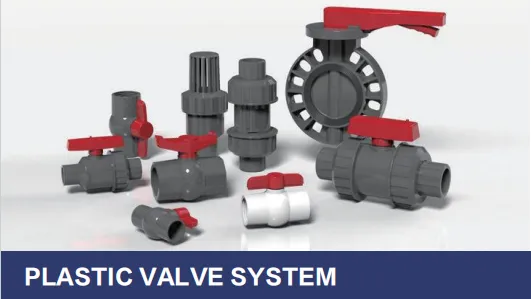
Before we jump into the problems, let's take a second to appreciate these hardworking components. Plastic valve systems are the silent conductors of our daily lives. They regulate water flow in our homes, control chemical processes in factories, manage drainage in hospitals, and even keep irrigation systems running efficiently on farms. What makes them so popular? They're lightweight, corrosion-resistant, and often more affordable than metal alternatives—plus, modern plastic valve system solutions are designed to meet rigorous standards for durability and safety. But here's the thing: even the best systems can run into issues, especially if they're not installed correctly, maintained properly, or paired with low-quality parts from unreliable suppliers.
Think of it like a car: you wouldn't expect a luxury vehicle to perform well with cheap, worn-out tires. The same logic applies here. A top-tier plastic valve can underperform if it's connected to shoddy pipes or fittings. That's why partnering with a trusted pipes fittings supplier and plastic valve system supplier is so crucial—they ensure all components work together seamlessly, reducing the risk of issues down the line. Now, let's roll up our sleeves and tackle the problems you're most likely to encounter.
There's nothing more annoying than a slow drip from a valve. It starts as a minor inconvenience—a few drops in the sink or a damp spot under a pipe—but left unchecked, it can lead to water damage, mold, or skyrocketing utility bills. I once worked with a restaurant owner who ignored a leaky valve under their prep sink for months; by the time they called, the cabinet had rotted through, and they had to shut down for repairs. Don't let that be you.
What causes leaks? More often than not, it's one of three things: loose connections, worn-out gaskets or O-rings, or hairline cracks in the valve body. If the leak is coming from the handle or stem, it's probably a gasket issue. If it's seeping from the connection points (where the valve meets the pipe), check the fittings—they might just need a gentle tightening. Cracks, on the other hand, are usually due to physical damage (like a heavy tool dropping on the valve) or chemical degradation (using the wrong valve material for the fluid it's handling).
Troubleshooting steps:
Imagine turning on a faucet and getting nothing but a trickle. Or flushing a toilet and watching the water rise instead of drain. These are classic signs of a blocked valve. Blockages are especially common in systems that handle liquids with debris, like irrigation lines or pvc dwv pipe systems (DWV stands for Drain, Waste, Vent—think kitchen sinks and showers). I once helped a homeowner whose shower valve was blocked by a buildup of hair and soap scum; after 10 minutes of cleaning, the water pressure was back to normal, and they couldn't believe they'd lived with a weak flow for months.
What causes blockages? Debris (dirt, hair, food particles), mineral buildup (from hard water), or even improper installation (like using the wrong valve size for the pipe). In commercial settings, blockages can also happen if the system isn't flushed properly after installation, leaving construction debris inside.
Troubleshooting steps:
Water pressure that fluctuates or is way off target is another common headache. In residential settings, it might mean a shower that alternates between scalding hot and freezing cold. In commercial buildings, like hospitals or schools, inconsistent pressure can disrupt operations—imagine a lab where precise water flow is critical for experiments. Pressure issues are tricky because they can stem from problems with the valve itself, the supply line, or even the municipal water system.
What causes pressure problems? If the pressure is too low, the valve might be partially closed (yes, it happens more than you think!), clogged, or undersized for the system. If it's too high, the valve could be faulty, or there might be a problem with the pressure regulator. Inconsistent pressure often points to a valve that's sticking or a supply line with air bubbles.
Troubleshooting steps:
There's a sinking feeling when you go to turn a valve and the handle won't budge. It's usually due to disuse—like a valve in a guest bathroom that's rarely touched—or corrosion. I once encountered a valve in a vacation home that hadn't been turned in 10 years; the stem was so seized, we had to replace it. But with a little patience, many stuck valves can be freed without replacement.
What causes stuck valves? Sediment buildup around the stem, corrosion (even plastic can corrode if exposed to harsh chemicals), or thermal expansion (when metal parts expand and contract, sticking to the plastic body). In outdoor systems, freezing temperatures can also cause valves to stick as water expands inside.
Troubleshooting steps:
| Issue | Common Symptoms | Likely Cause | First Steps to Fix |
|---|---|---|---|
| Leaky Valve | Drips from handle, connection points, or valve body | Loose fitting, worn gasket, or cracked valve | Tighten fittings; replace gasket; replace valve if cracked |
| Blocked Valve | Weak flow, no water, or strange noises (gurgling) | Debris, mineral buildup, or improper installation | Flush valve; clean with vinegar; check for correct sizing |
| Pressure Issues | Low/high pressure, inconsistent flow | Partially closed valve, blockage, or faulty regulator | Open valve fully; check for blockages; adjust/replace regulator |
| Stuck Valve | Handle won't turn; valve seized | Sediment, corrosion, or freezing | Gentle back-and-forth movement; lubricate stem; replace if stuck |
Inspect regularly: Check valves for leaks, corrosion, or signs of wear every 3-6 months. Pay extra attention to valves in damp areas (basements, under sinks) and outdoor valves after extreme weather.
Clean as needed: For valves in high-debris areas (like irrigation systems), flush them annually. For hard water areas, descale with vinegar every 6-12 months.
Lubricate moving parts: Apply silicone-based lubricant to valve stems and handles twice a year to prevent sticking. Avoid oil-based lubricants—they can degrade plastic over time.
Use the right valve for the job: Not all plastic valves are created equal! Consult your plastic valve system supplier to ensure you're using valves rated for the fluid, pressure, and temperature of your system. For example, a valve meant for cold water shouldn't be used in a hot water line.
Label valves clearly: Mark shut-off valves so everyone in your home or facility knows which one controls what. During an emergency, you won't have time to guess.
While many valve issues are DIY-friendly, some problems require a professional. Here are red flags that it's time to call your plastic valve system supplier or a licensed plumber:
Recommend Products












