
Picture this: You're standing in the middle of a construction site. To your left, a team is putting the finishing touches on a cozy suburban home—tile being laid in the master bathroom, a fresh coat of paint on the walls, and somewhere behind those walls, a network of pipes quietly waiting to handle the home's daily drainage needs. To your right, cranes tower over a sprawling commercial complex—a hotel with 200 rooms, each with its own bathroom, plus restaurants, laundry facilities, and a basement full of mechanical systems. Both projects have one thing in common: they rely on Drain, Waste, and Vent (DWV) pipes to keep things flowing smoothly. But the pipes in that home and the ones in that hotel? They're not the same. And neither are the suppliers who provide them.
Choosing the right PVC DWV pipe supplier isn't just about picking a product off a shelf. It's about finding a partner who understands the unique demands of your project—whether you're building a family home or a bustling office building. In this guide, we'll break down the key differences between commercial and residential DWV needs, what to look for in a supplier for each, and why partnering with the right expert can make or break your project's success.
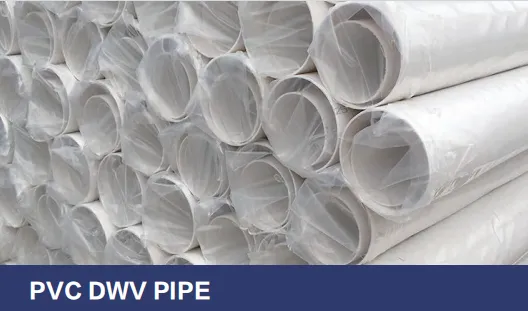
Before we dive into the commercial vs. residential debate, let's get back to basics. DWV stands for Drain, Waste, and Vent—three critical functions these pipes perform in any building. Drain pipes carry wastewater away from sinks, showers, and toilets. Waste pipes handle solid waste (think toilet flushes). Vent pipes, often overlooked but equally important, allow air to enter the system, preventing suction that could slow drainage or even siphon water out of traps (those U-shaped bends under sinks that keep sewer gases from creeping into your home or office).
PVC (Polyvinyl Chloride) is the material of choice for most DWV systems today, and for good reason. It's lightweight, corrosion-resistant, affordable, and easy to install—no heavy machinery required. Unlike metal pipes, PVC doesn't rust or degrade when exposed to chemicals found in household cleaners or commercial waste. Plus, it's smooth on the inside, which means fewer clogs and better water flow. But not all PVC DWV pipes are created equal. The thickness, diameter, and even the type of PVC resin used can vary dramatically between pipes designed for a small bathroom and those built for a high-rise hotel.
Residential projects—single-family homes, townhouses, or small apartment buildings—are all about balance. Homeowners want pipes that are reliable (no one wants to deal with a leaky drain in the middle of the night), affordable (construction budgets are tight enough as it is), and easy to install (since many residential projects rely on local contractors or even DIY-savvy homeowners). For a residential building materials supplier , this means offering PVC DWV pipes that check all these boxes.
Let's take a typical scenario: a homeowner renovating their kitchen and bathroom. They'll need DWV pipes for the kitchen sink, the shower, the toilet, and maybe the laundry room. In most cases, residential DWV pipes range in diameter from 1.5 inches (for small drains like a bathroom sink) to 4 inches (for main sewer lines or toilet drains). These pipes don't have to handle massive volumes of water—maybe 10-15 gallons per minute at peak use (think morning rush hour when everyone's showering and brushing teeth). Pressure isn't a huge concern either, since residential plumbing systems operate at low pressure compared to commercial setups.
Space is another big factor. In homes, pipes are often tucked into walls, under floors, or in tight crawl spaces. That means flexibility in installation is key. PVC DWV pipes are lightweight, so contractors can easily carry them up stairs or through narrow doorways. They also come in standard lengths (usually 10 feet) that are easy to cut and fit to size, even in cramped spaces. For homeowners, peace of mind is paramount. They want to know the pipes won't corrode, crack, or clog easily. A good residential supplier will stock pipes with smooth inner walls (to reduce clogs) and thick enough walls to withstand minor impacts (like a stray hammer during installation).
A residential building materials supplier isn't just selling pipes—they're selling convenience and reliability. Here's what sets them apart:
Now, let's shift gears to commercial projects. Imagine a developer building a 10-story office building with 50 restrooms, a food court with 10 kitchen stations, and a basement laundry facility. Or a hotel with 300 rooms, each with a shower, toilet, and sink, plus a pool, spa, and banquet halls. These projects don't just need DWV pipes—they need a DWV system, and it has to handle volumes and pressures that would overwhelm a residential setup. That's where a commercial building materials supplier steps in.
Commercial DWV systems are all about scale. Let's crunch some numbers: A single hotel room might use 50 gallons of water per day. Multiply that by 300 rooms, and you're looking at 15,000 gallons daily—before factoring in the kitchen, laundry, or pool. That means commercial DWV pipes need to handle much higher flow rates (sometimes 50+ gallons per minute) and larger diameters. It's not uncommon to see 6-inch, 8-inch, or even 12-inch DWV pipes in commercial buildings, especially in main vertical stacks (the pipes that run from the top floor to the basement) or horizontal mains that connect multiple fixtures.
Codes are also stricter in commercial settings. Commercial plumbing systems must comply with standards like the International Plumbing Code (IPC) or Uniform Plumbing Code (UPC), which dictate everything from pipe sizing to venting distances to material fire ratings. For example, a hospital might require DWV pipes with higher fire resistance, while a restaurant might need pipes that can withstand grease buildup (though grease traps usually handle that, the pipes still need to be durable). Commercial pipes also need to be more robust. In a high-rise, the vertical stacks are subject to more stress from the weight of the water and waste flowing through them. Thicker walls and reinforced joints are non-negotiable to prevent leaks or collapses.
Logistics are another headache. Commercial projects often require bulk orders—hundreds of feet of pipe, plus fittings (elbows, tees, couplings) to connect them. These orders need to be delivered on tight schedules. A delay in pipe delivery could hold up the entire plumbing phase, which in turn delays electrical work, drywall, and so on. Suppliers for commercial projects need to have the inventory and delivery infrastructure to handle these large, time-sensitive orders.
A commercial building materials supplier isn't just a vendor—they're a project manager's best friend. Here's what makes them indispensable:
To better understand how DWV needs differ, let's put commercial and residential projects head-to-head:
| Factor | Residential Projects | Commercial Projects |
|---|---|---|
| Project Scale | Small to medium (single-family homes, townhouses, small apartments) | Large-scale (hotels, offices, hospitals, malls, high-rises) |
| Typical Pipe Diameters | 1.5" – 4" | 4" – 12" (or larger for main stacks) |
| Flow Volume | Low (10-15 gallons per minute at peak) | High (50+ gallons per minute at peak) |
| Code Requirements | Local residential codes (less stringent) | International/Uniform Plumbing Codes (strict, with fire/safety standards) |
| Inventory Needs | Standard sizes, small quantities | Bulk orders, custom sizes/fittings |
| Delivery Timeline | Flexible (can wait a few days) | Urgent (just-in-time delivery to avoid delays) |
| Customer Focus | Homeowners, small contractors, DIYers | Developers, general contractors, engineers |
| Key Concerns | Affordability, reliability, ease of installation | Durability, compliance, bulk availability, technical support |
Here's a secret many project managers learn the hard way: Coordinating with multiple suppliers is a nightmare. Imagine ordering DWV pipes from one company, flooring from another, and wall panels from a third—each with its own delivery schedule, billing process, and customer service team. It's a recipe for miscommunication, delays, and extra stress. That's where a one-stop architectural solution provider shines.
A one-stop supplier doesn't just sell PVC DWV pipes. They offer everything from flooring and wall panels to electrical components and fixtures. For residential projects, this means a homeowner can pick up their DWV pipes, bathroom tiles, and kitchen sink from the same place—saving time and simplifying their renovation. For commercial developers, it means coordinating with a single point of contact for all building materials, reducing the risk of delays and ensuring consistency across the project.
Take, for example, a hotel developer working with a one-stop supplier. They can order PVC DWV pipes for the bathrooms, pu stone wall panel solutions for the lobby, and even ceiling solutions for the conference rooms—all from the same partner. The supplier's team can help ensure that the DWV pipes are compatible with the wall panels (e.g., accounting for pipe chases in the walls) and that delivery schedules align with the construction timeline. It's a level of coordination that's hard to achieve when juggling multiple vendors.
Whether you're a homeowner or a developer, a one-stop supplier offers three big advantages:
Even the best suppliers face challenges. Raw material shortages, shipping delays, and code changes can throw a wrench into even the most well-planned projects. But the difference between a good supplier and a great one is how they handle these hurdles—especially when it comes to serving both commercial and residential clients.
Residential clients are often price-sensitive, but they won't compromise on quality. A homeowner might balk at paying extra for premium PVC DWV pipes, but they'll be furious if a cheap pipe leaks and damages their new flooring. Suppliers navigate this by offering tiered options: economy pipes for simple repairs, standard pipes for most home projects, and premium pipes for homeowners who want the best (e.g., thicker walls, UV resistance for outdoor vent pipes).
Another challenge is education. Many homeowners don't know the difference between schedule 40 and schedule 80 PVC pipes (hint: schedule 80 is thicker and stronger). Good suppliers take the time to explain these differences without talking down to clients. They might say, "For your kitchen sink, schedule 40 is fine, but if you're installing a pipe in an area where it might get bumped (like a basement), schedule 80 would be more durable."
Commercial projects run on tight timelines. A delay in DWV pipe delivery can hold up plumbing, which delays electrical work, which delays drywall—and suddenly, the project is weeks behind schedule. Suppliers combat this by maintaining large inventories of common commercial sizes and building relationships with multiple manufacturers. If one factory is backed up, they can source pipes from another.
Compliance is another hurdle. Commercial codes change regularly, and keeping up with updates can be a full-time job. The best commercial suppliers invest in training their staff and subscribing to code alert services. They'll flag potential issues before a project starts—like a new requirement for lead-free pipes in schools or hospitals—and recommend compliant alternatives.
So, how do you pick a supplier that fits your project? Whether you're a homeowner or a developer, here are a few key questions to ask:
At the end of the day, PVC DWV pipes might not be the most glamorous part of a construction project, but they're the backbone of any functional building. The difference between a smooth, problem-free project and a plumbing nightmare often comes down to the supplier you choose.
For residential projects, it's about finding a residential building materials supplier who understands your budget, your timeline, and the unique quirks of home plumbing. For commercial projects, it's about partnering with a commercial building materials supplier who can handle bulk orders, navigate complex codes, and keep your project on track. And if you're lucky enough to find a one-stop architectural solution provider who excels at both? You've hit the jackpot.
So, whether you're building your dream home or your next big commercial venture, take the time to vet your PVC DWV pipe supplier. Ask questions, check references, and make sure they "get" your project. After all, the best suppliers don't just sell pipes—they help you build something that lasts.
Recommend Products












