
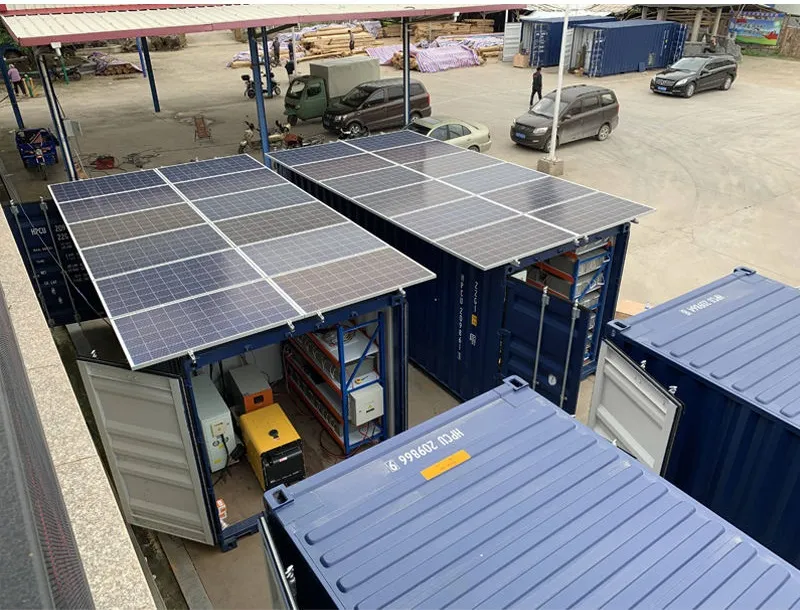
How on-site solar generation is reshaping energy strategy, cutting operational costs, and strengthening corporate sustainability across industries worldwide.
Energy costs have become one of the most unpredictable line items on any business's balance sheet. Grid electricity prices continue to fluctuate, regulatory pressure around carbon emissions is intensifying, and stakeholders — from investors to end customers — increasingly expect companies to demonstrate tangible environmental commitments. Against this backdrop, commercial solar panels have moved from being a niche sustainability experiment to a mainstream strategic asset.
For project developers, contractors, and procurement managers, the question is no longer whether solar makes sense, but how to source the right system efficiently, at the right quality level, and with the supply chain reliability that commercial timelines demand. This is where working with a trusted building material supplier that understands both the technical and logistical dimensions of solar procurement becomes a decisive advantage.
Several converging trends are driving the accelerated adoption of commercial solar across sectors. Panel efficiency has improved significantly over the past decade, while manufacturing scale — particularly in China — has driven down per-watt costs to levels that make solar competitive with, and often cheaper than, grid electricity in many regions.
A commercial solar installation today can deliver a payback period of three to six years under typical conditions, after which the system continues generating free electricity for another two decades or more. For businesses with large roof areas — warehouses, factories, logistics centers, retail complexes, agricultural facilities, and office buildings — the unused rooftop represents an underutilized asset that can be converted into a long-term energy-generating resource.
Beyond direct cost savings, solar installations provide a hedge against future energy price volatility. Every kilowatt-hour generated on-site is a kilowatt-hour that does not need to be purchased from the grid at tomorrow's uncertain rates. For businesses operating on thin margins or in energy-intensive industries, this predictability carries substantial financial value.
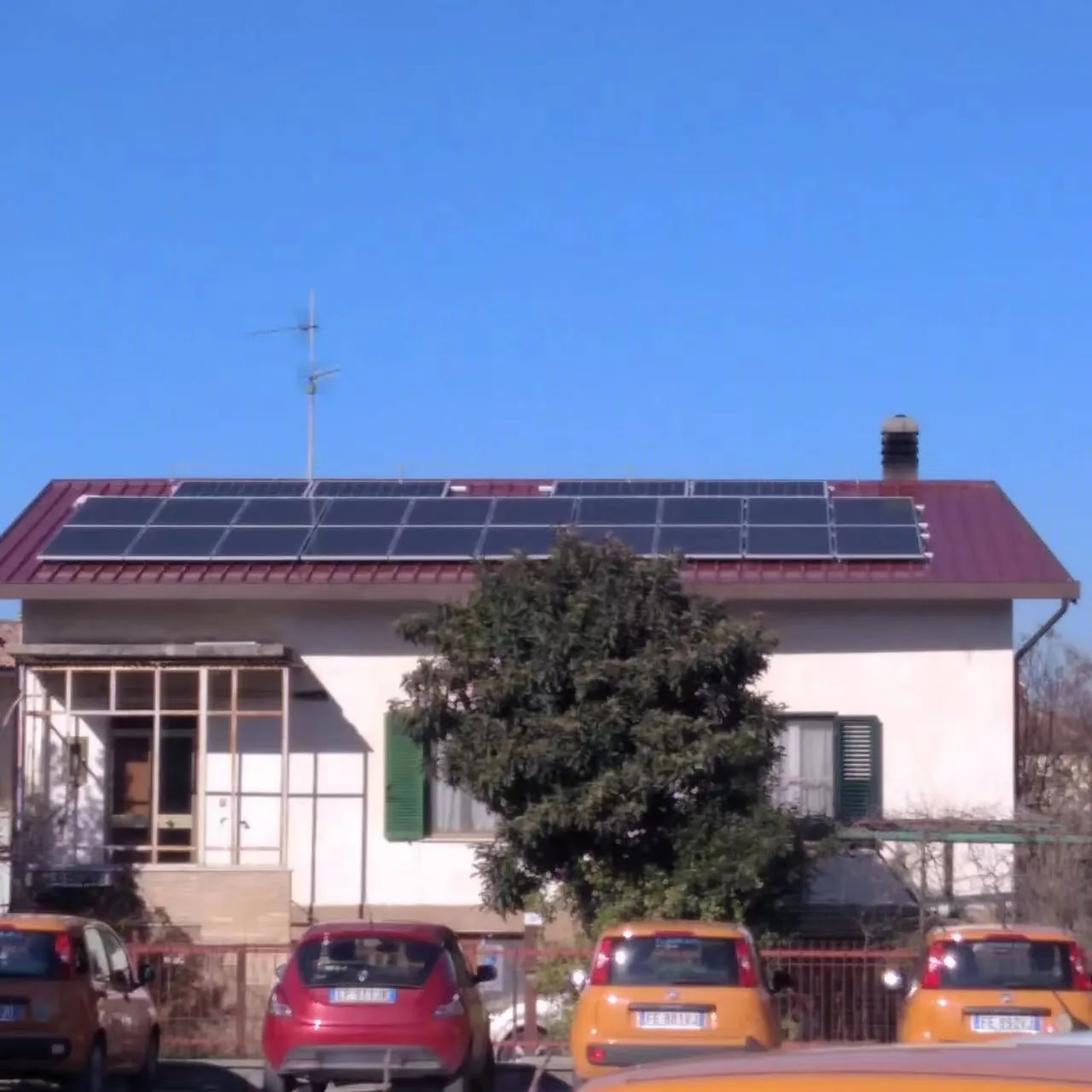
Financial returns are only part of the equation. Commercial solar panels also support broader corporate objectives that are increasingly difficult to ignore. Environmental, Social, and Governance (ESG) reporting requirements are expanding across jurisdictions, with many markets now mandating carbon disclosure for larger enterprises. On-site solar generation provides measurable, verifiable data that strengthens sustainability reports and demonstrates compliance with evolving regulations.
There is also a growing expectation from supply chain partners and end customers. Multinational corporations are increasingly requiring their suppliers to show progress on carbon reduction, and commercial buildings with visible sustainability credentials — including solar installations — often command higher property values and stronger tenant demand. A solar-equipped facility signals forward-thinking management and operational efficiency to every stakeholder who encounters it.
Key Advantages of Commercial Solar at a Glance
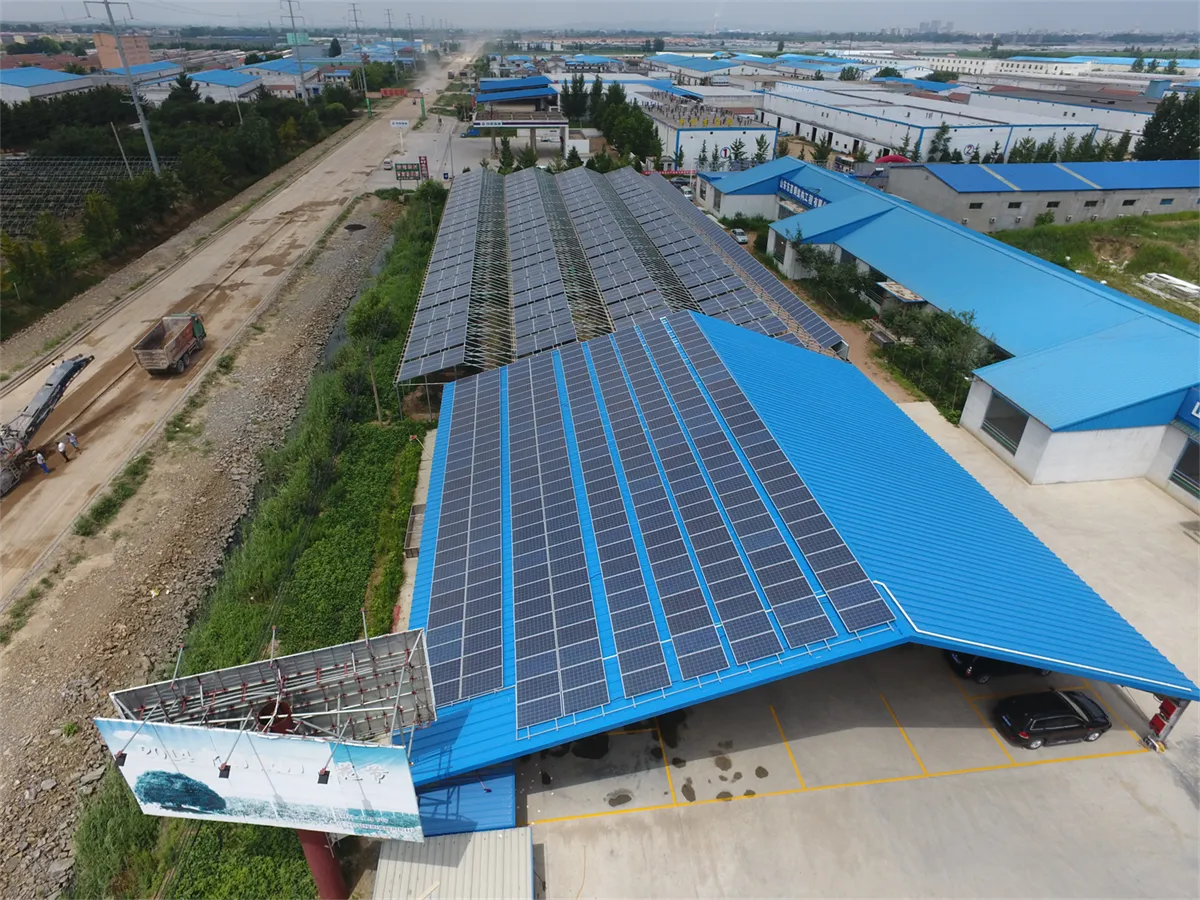
The performance and longevity of a commercial solar installation depend heavily on the quality of the panels themselves. Not all solar panels are created equal — differences in cell technology, manufacturing precision, durability certifications, and warranty terms can dramatically affect the lifetime output and return on investment of a system.
This is where procurement strategy becomes critical. Sourcing directly from a capable one-stop architectural solution provider offers several advantages over piecemeal purchasing. A single, reliable supplier can ensure consistent product quality across large-volume orders, provide the necessary technical documentation and certifications for local compliance, manage logistics and customs clearance, and offer after-sales support that spans the entire project lifecycle.
For international projects in particular — whether a hotel development in the Middle East, a warehouse complex in Southeast Asia, or a mixed-use commercial building in Africa — the ability to coordinate solar panel procurement alongside other building materials through one supplier simplifies project management, reduces administrative overhead, and minimizes the risk of supply chain disruptions.
COLORIA GROUP, headquartered in Foshan, China — one of the world's most concentrated building materials manufacturing hubs — offers commercial solar panels as part of a comprehensive portfolio spanning 13 product categories. From walls, flooring, and ceiling systems to sanitary fixtures, customized furniture, windows and doors, and electrical infrastructure, the company provides a genuinely integrated procurement experience for residential and commercial construction projects.
What sets COLORIA GROUP apart is not just the breadth of its catalog, but the depth of its industry expertise. With decades of accumulated experience in international building materials supply and an established agent network in Saudi Arabia, the company understands the regulatory, climatic, and logistical requirements of diverse markets. Every solar panel supplied through COLORIA GROUP is backed by the same quality assurance standards and supply chain discipline that apply across all 13 product categories.
For contractors and developers managing multi-category procurement, the practical benefits are substantial: a single point of contact, consolidated shipping and documentation, consistent quality control, and the confidence that comes from working with a supplier that has successfully delivered projects across multiple continents.
One of the most overlooked aspects of commercial solar adoption is its relationship with the rest of the building envelope. Solar panels do not exist in isolation — they interact with roofing systems, electrical infrastructure, structural engineering, and even aesthetic design considerations. A building designed or retrofitted with solar in mind from the outset will almost always outperform one where panels are added as an afterthought.
This is precisely why the one-stop model is gaining traction among serious project developers. When solar panels are procured alongside roofing materials, electrical fixtures and cables, and structural components from a single supplier, compatibility issues are identified early, installation sequences can be better coordinated, and the overall project timeline becomes more predictable. COLORIA GROUP's integrated approach to building materials supply makes this coordination practical rather than aspirational.
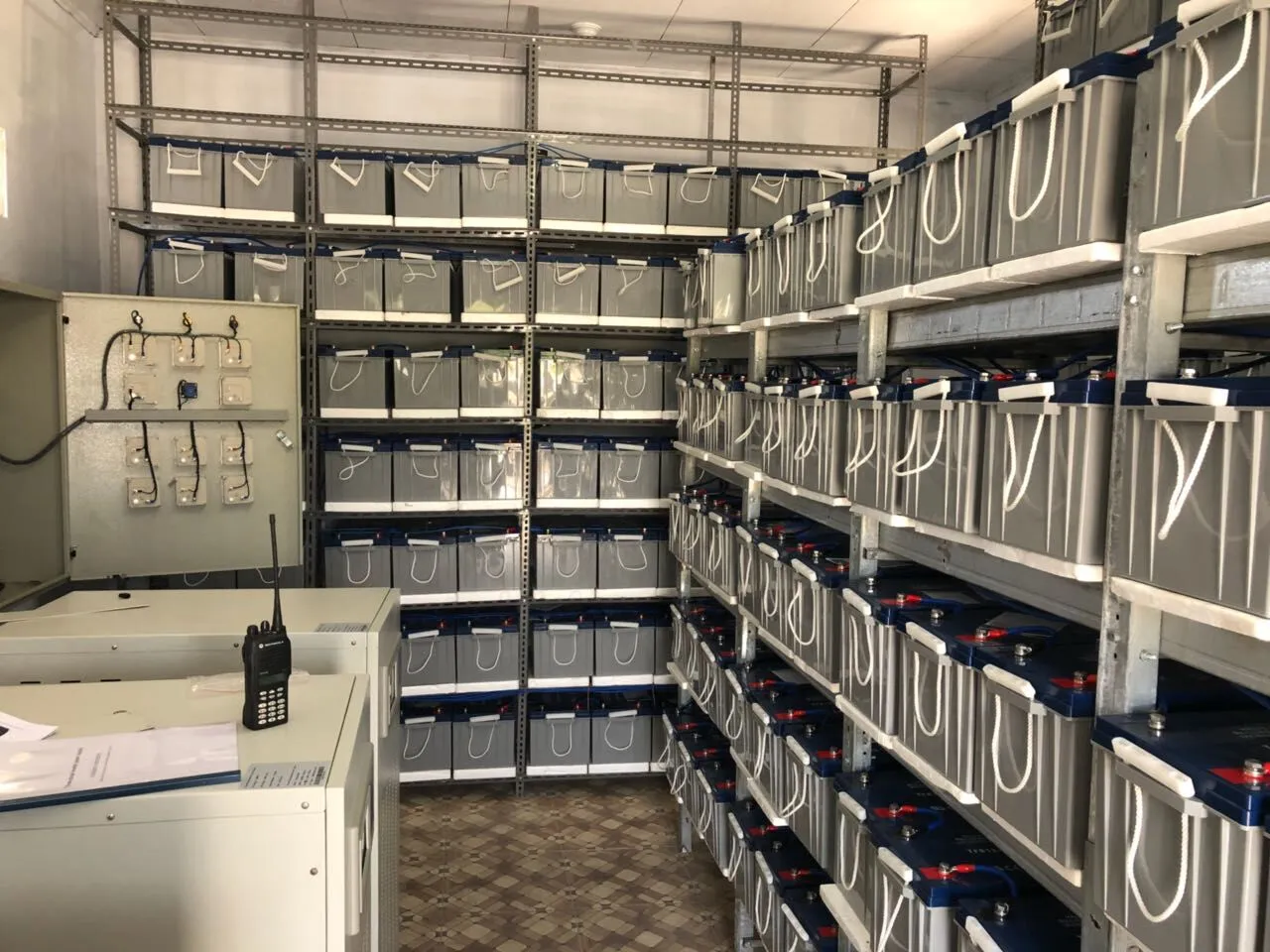
The trajectory of commercial solar points in one direction: continued growth. Panel efficiencies continue to edge upward, bifacial technology is becoming mainstream, and the integration of solar with battery storage and electric vehicle charging infrastructure is creating new possibilities for holistic energy management at the building level.
For businesses that invest in solar today, the benefits compound over time. Early adopters lock in lower energy costs sooner, build institutional knowledge around system management, and position themselves ahead of regulatory curves that are only tightening. As the global building materials industry continues its shift toward sustainability — reflected in trends like dual carbon targets, green building certifications, and the rising penetration of prefabricated construction — solar panels are becoming a standard specification rather than an optional upgrade.
The question for today's project decision-makers is not whether to include solar in their plans, but how to source it efficiently and integrate it effectively. The answer increasingly lies in working with suppliers that can deliver solar as part of a complete, coordinated building materials solution — not as a standalone product purchased in isolation.
Ready to Power Your Next Project with Commercial Solar?
COLORIA GROUP supplies high-quality commercial solar panels alongside a full range of building materials for residential and commercial projects worldwide. From initial consultation and product selection to logistics coordination and after-sales support, our team is equipped to handle projects of any scale. Contact us today at +86-13630185350 (WhatsApp/WeChat) or visit www.coloriagroup.net to explore our complete product catalog and discuss your project requirements. Together we build the future.
Recommend Products












