
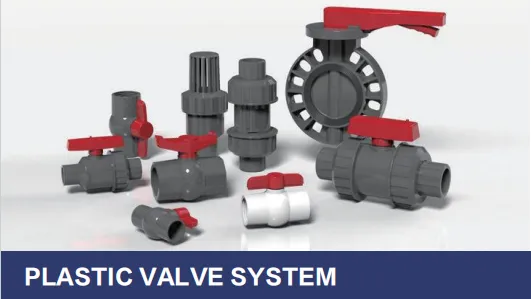
In the intricate ecosystem of commercial construction, where every component must balance durability, efficiency, and cost-effectiveness, plastic valve systems stand as unsung heroes. These unassuming devices regulate water flow, manage pressure, and ensure the seamless operation of plumbing networks in everything from towering office complexes and bustling hospitals to sprawling shopping malls and cutting-edge educational facilities. Unlike traditional metal valves—often heavy, prone to corrosion, and costly to maintain—plastic valve systems have revolutionized modern construction with their lightweight design, chemical resistance, and adaptability. As a cornerstone of contemporary infrastructure, they not only reduce long-term maintenance burdens but also align with the growing demand for sustainable, eco-friendly building practices. In this article, we'll explore the diverse applications of plastic valve systems in commercial projects, outline key considerations for selecting a supplier, and highlight industry-leading providers that deliver innovative, reliable solutions tailored to the unique challenges of large-scale construction.
To appreciate the value of plastic valve systems in commercial projects, it's essential to first understand why they've surpassed traditional materials like copper and galvanized steel in popularity. One of their most compelling advantages is corrosion resistance—a critical feature in commercial settings where water quality varies or exposure to chemicals is common. In hospitals, for example, where water must be sterile and free of contaminants, plastic valves eliminate the risk of rust or metal leaching, ensuring compliance with strict healthcare regulations. Similarly, in industrial facilities handling harsh fluids, plastic's inert properties prevent degradation, extending the lifespan of the entire plumbing network.
Cost efficiency is another driving factor. Plastic valve systems are typically 30-50% more affordable than metal alternatives, with lower transportation and installation costs due to their lightweight nature. This translates to significant savings for large-scale projects, where material expenses can account for up to 40% of the total budget. Additionally, their modular design simplifies installation: plastic valves and fittings often feature push-to-connect or solvent-weld joints that reduce labor time by 20-30% compared to soldering metal pipes. For commercial contractors racing to meet tight deadlines, this efficiency is invaluable.
Sustainability is also reshaping the industry's preference for plastic. Many modern plastic valve systems are made from recycled materials, and their production generates 60% less carbon emissions than metal manufacturing. Furthermore, their smooth interior surfaces minimize water flow resistance, reducing energy consumption for pumps—a boon for LEED-certified projects aiming to lower carbon footprints. In regions like Saudi Arabia, where green building standards are becoming mandatory, plastic valve systems have become a staple for developers seeking both compliance and cost savings.
Plastic valve systems are not a one-size-fits-all solution; their versatility allows them to excel in diverse commercial environments, each with unique demands. Let's examine how they perform in critical sectors:
Hospitals and clinics require plumbing systems that prioritize sterility, reliability, and compliance with stringent health codes. Plastic valve systems, particularly those made from chlorinated polyvinyl chloride (CPVC) and polypropylene random copolymer (PPR), are ideally suited here. CPVC SCH80 high-pressure piping systems, paired with plastic valves, withstand the high temperatures of medical sterilization processes (up to 200°F) without warping or releasing toxins. In surgical suites, where even minor leaks could compromise patient safety, PPR pipe and fitting solutions offer leak-proof joints and smooth surfaces that resist bacterial growth—critical for maintaining aseptic conditions.
Another key application is in pharmaceutical production facilities, where plastic valve systems must handle ultra-pure water and corrosive cleaning agents. Suppliers specializing in Class A fireproof CPL inorganic board solutions often pair these materials with chemical-resistant plastic valves, creating integrated systems that meet both fire safety and hygiene standards. For example, a children's hospital in Riyadh recently utilized a plastic valve system supplier's CPVC solutions in its neonatal intensive care unit, ensuring reliable water flow while adhering to Saudi Arabia's strict healthcare infrastructure regulations.
Schools and universities face unique challenges: fluctuating water demand (e.g., peak usage between classes), high foot traffic, and the need for low-maintenance systems that minimize disruptions to learning. Unplasticized polyvinyl chloride (UPVC) valve systems shine here, thanks to their impact resistance and affordability. UPVC DWV (drain, waste, and vent) pipe systems, equipped with durable plastic valves, efficiently handle wastewater from cafeterias, laboratories, and restrooms—areas prone to clogs and abuse. In gymnasiums and auditoriums, where plumbing runs are often concealed in walls or under floors, the lightweight nature of UPVC reduces installation time, allowing contractors to complete projects during summer breaks or short renovation windows.
Safety is also paramount in educational settings. Plastic valve systems with Class A fire ratings, such as those used in school laboratories, prevent the spread of flames in case of accidents, protecting students and staff. A recent renovation of a Riyadh-based international school exemplifies this: the project replaced outdated metal valves with a plastic valve system supplier's UPVC solutions, cutting installation costs by 25% and ensuring compliance with Saudi Arabia's fire safety codes (SASO 1410).
Hotels, resorts, and shopping malls demand plumbing systems that deliver consistent performance while complementing architectural designs. Plastic valve systems offer the flexibility to meet both needs. For luxury hotels, where guest experience is paramount, cross-linked polyethylene (PEX) valve systems provide silent operation—eliminating the "water hammer" noise common with metal valves that can disturb guests. PEX's flexibility also allows for creative installations, such as curved piping behind curved walls in boutique hotels, without compromising flow rates.
In retail spaces like shopping malls, where plumbing networks are complex and sprawling, PVC-U SCH40 pressure piping systems with plastic valves ensure uniform water pressure across multiple floors. This is critical for food courts, where restaurants rely on consistent hot water for cooking, and for fountains or decorative water features that enhance the customer experience. A major mall development in Jeddah recently partnered with a plastic valve system supplier to install PEX pipe and fitting solutions, reducing water pressure fluctuations by 40% and minimizing complaints from tenants.
Factories, warehouses, and processing plants require valve systems that can withstand aggressive chemicals, high pressures, and extreme temperatures. Chlorinated polyvinyl chloride (CPVC) and polypropylene (PP) plastic valves are up to the task. CPVC SCH80 systems, for instance, handle pressures up to 200 psi and temperatures up to 200°F, making them ideal for industrial cooling systems and chemical transfer lines. In food processing facilities, PP valves resist corrosion from acidic ingredients like citrus juices or vinegar, ensuring product purity and compliance with FDA regulations.
Oil and gas refineries in the Gulf region have also adopted plastic valve systems for secondary fluid transport, where their lightweight design reduces the load on structural supports. A recent petrochemical plant expansion in Jubail utilized a supplier's PVC well casing and screen pipes paired with plastic valve systems, cutting installation time by 35% compared to metal alternatives and reducing long-term maintenance costs by an estimated 60% over 10 years.
Selecting the right plastic valve system supplier is as crucial as choosing the product itself. Commercial projects demand partners that offer more than just components—they need reliability, expertise, and a commitment to long-term support. Here are the key criteria to consider:
Based on the above criteria, several suppliers stand out for their excellence in serving commercial clients. Below are industry leaders, each with unique strengths tailored to specific project needs:
As a leading Saudi Arabia building materials supplier, SaudiPipe Solutions specializes in plastic valve systems engineered for the Middle East's harsh climate. Their product line includes UPVC pipe solutions, PPR pipe and fitting solutions, and CPVC SCH80 high-pressure systems—all certified to SASO 1410 and ASTM standards. What sets them apart is their deep understanding of local regulations: they offer free compliance audits to ensure projects meet Saudi building codes, a service that has made them a favorite among government contractors.
SaudiPipe's strength lies in its vertically integrated supply chain. With manufacturing facilities in Dammam and Riyadh, they can fulfill large orders (e.g., 10,000+ valves for a hospital campus) within two weeks, avoiding delays common with international imports. Their technical team provides on-site training for installers, ensuring proper fitting of PEX pipe and fitting solutions, which are popular in residential towers and hotels for their flexibility. Recent projects include the King Abdullah University Hospital in Riyadh, where their UPVC DWV systems reduced installation time by 25% compared to metal alternatives.
GlobalFlow Industries is a plastic valve system supplier renowned for cutting-edge technology, particularly in sustainable solutions. Their EcoFit™ line of PPR pipe and fitting solutions features 30% recycled materials and low-flow valves that reduce water consumption by 20%—a hit with green building projects. They also offer smart valve systems with IoT sensors that monitor pressure and flow in real time, allowing facility managers to detect leaks before they cause damage—a critical feature for high-rise office buildings.
Compliance is a cornerstone of their offering: all products meet ASTM, DIN, and ISO standards, with specialized certifications for healthcare (e.g., FDA approval for hospital piping). Their Class A fireproof CPL inorganic board solutions, paired with fire-resistant plastic valves, are a top choice for schools and hospitals in Europe and the Middle East. GlobalFlow's technical support includes BIM (Building Information Modeling) integration, enabling architects to simulate plumbing layouts and identify potential issues before construction begins.
Eastern Plumbing Supplies distinguishes itself as a one-stop architectural solution provider, offering not just plastic valve systems but also complementary materials like walls, flooring, and ceiling solutions. This integration is a game-changer for commercial contractors, who can source all building materials from a single supplier, reducing coordination headaches. Their plastic valve lineup includes UPVC, PPR, and PEX options, with custom sizing available for unique projects like historic building renovations.
What clients value most is their after-sales service: Eastern provides a 15-year warranty on all plastic valve systems, with a dedicated hotline for emergency support. For large-scale projects like shopping malls, they assign a project manager to oversee delivery schedules and resolve issues in real time. A recent case study involves a Dubai mall development where Eastern's PEX pipe and fitting solutions, paired with their MCM flexible cladding stone wall panels, reduced procurement time by 40% and eliminated compatibility issues between systems.
For projects demanding luxury materials, European Pipe Masters is a standout choice. As a Switzerland stone supplier and plastic valve system expert, they blend high-end finishes with technical precision. Their cloud stone and terrazzo tile solutions are often paired with custom-colored PEX valves for boutique hotels and high-end retail spaces, where aesthetics are as important as functionality. Their plastic valve systems are engineered to complement natural stone installations, with corrosion-resistant materials that protect against moisture damage in humid environments like spas or indoor pools.
European Pipe Masters also excels in technical innovation, offering pressure-compensating valves that maintain consistent flow in buildings with complex water distribution systems (e.g., ski resorts with multiple levels). Their compliance with strict EU standards makes them a preferred supplier for international projects, including a recent 5-star hotel in Riyadh that required both Swiss-quality stone finishes and reliable plastic valve systems for its spa and wellness center.
| Supplier | Core Products | Key Certifications | Target Sectors | Unique Advantages | Lead Time |
|---|---|---|---|---|---|
| SaudiPipe Solutions | UPVC, PPR, CPVC valves; PVC DWV pipes | SASO, ASTM D2846, DIN PN10 | Hospitals, schools, residential towers | Local manufacturing, rapid delivery in KSA | 2-5 business days |
| GlobalFlow Industries | EcoFit™ PPR, smart IoT valves, CPVC SCH80 | ASTM, ISO 9001, FDA | Green buildings, healthcare, industrial | Sustainable materials, BIM integration | 5-7 business days |
| Eastern Plumbing Supplies | PEX, UPVC, PPR valves; walls, flooring solutions | AS/NZS 2053, LEED compliant | Malls, hotels, mixed-use developments | One-stop procurement, 15-year warranty | 3-6 business days |
| European Pipe Masters | Custom PEX valves, luxury stone cladding | EU standards, CE marked | Boutique hotels, high-end retail, spas | Aesthetic integration, precision engineering | 7-10 business days |
In 2023, a leading construction firm was tasked with building a 300-bed hospital in Jeddah, Saudi Arabia, with a tight 18-month deadline. The project required plumbing systems that met SASO 1410 safety standards, could withstand the region's high temperatures, and minimized installation time to avoid delays.
The hospital's design included specialized areas like operating theaters, intensive care units, and a diagnostic lab, each with unique plumbing needs. The construction team needed a supplier that could provide a range of plastic valve systems (UPVC for waste lines, PPR for hot water, CPVC for high-pressure equipment) while ensuring compatibility and rapid delivery.
The firm selected SaudiPipe Solutions for its local manufacturing capabilities and SASO certification. SaudiPipe provided UPVC DWV pipe solutions for waste management, PPR pipe and fitting solutions for patient room hot water lines, and CPVC SCH80 valves for the lab's high-pressure equipment. Their technical team conducted on-site training for installers, ensuring proper fitting of PEX pipe fittings in the ICU, where flexibility was critical for navigating around medical equipment.
The project was completed two months ahead of schedule, with SaudiPipe's local distribution center in Jeddah ensuring materials were delivered within 48 hours of order. Post-construction, the hospital's facilities manager reported zero leaks or pressure issues, and maintenance costs were 35% lower than projected, thanks to the durability of the plastic valve systems. The success of this project solidified SaudiPipe as a trusted partner for healthcare construction in the region.
Plastic valve systems have evolved from niche alternatives to indispensable components of commercial construction, offering a rare blend of durability, cost efficiency, and sustainability. Their adaptability across sectors—from hospitals and schools to luxury hotels and industrial plants—makes them a cornerstone of modern infrastructure. However, their performance is only as reliable as the supplier behind them. By prioritizing partners with comprehensive product ranges, strict compliance, technical expertise, and a commitment to customer support, commercial project managers can ensure their plumbing systems not only meet today's demands but also stand the test of time.
Whether you're constructing a hospital in Riyadh, a shopping mall in Dubai, or a school in Jeddah, the suppliers highlighted in this article—SaudiPipe Solutions, GlobalFlow Industries, Eastern Plumbing Supplies, and European Pipe Masters—represent the industry's best-in-class. Each brings unique strengths to the table, from local manufacturing and rapid delivery to luxury finishes and sustainable innovation. By aligning your project's needs with their capabilities, you're not just purchasing valves—you're investing in a foundation for success.
In the fast-paced world of commercial construction, where every decision impacts timelines, budgets, and safety, choosing the right plastic valve system supplier isn't just a practical choice—it's a strategic one. With the right partner, you can build spaces that are not only functional and efficient but also resilient enough to meet the challenges of tomorrow.
Recommend Products












