

Walk into any modern corporate office today, and you'll likely feel it before you see it: the hum of creativity, the energy of collaboration, the quiet confidence of a brand that cares about its people. In 2025, offices are no longer just places to work—they're extensions of a company's identity, silent storytellers that shape how employees feel, how clients perceive, and how teams perform. But here's the thing: that "vibe" doesn't happen by accident. It's crafted, down to the smallest detail—including the walls that wrap around those workspaces.
Think about it: the walls in your office aren't just dividers. They're the backdrop to your morning meetings, the first impression for a potential client, the canvas that reflects your company's culture. For years, businesses have relied on traditional materials—drywall, paint, maybe a splash of wallpaper—to fill this role. But as workplaces evolve, so do the demands on these surfaces. Today's offices need walls that are durable enough to withstand daily foot traffic, flexible enough to adapt to open floor plans, and stylish enough to keep up with shifting design trends. And that's where the conversation around PU stone wall panel solutions begins.
Let's start with the obvious: traditional wall materials weren't built for the way we work now. Take natural stone, for example. It's beautiful, sure—there's a timeless elegance to a granite accent wall. But anyone who's installed it will tell you the headaches: it's heavy, requiring reinforced structural support that adds to construction costs. It's brittle, prone to chipping if a chair bumps against it. And if you ever want to reconfigure your space? Good luck—removing stone is labor-intensive and often results in damage to the underlying structure.
Then there's drywall. It's cheap, it's easy to install, and it's been the go-to for decades. But "easy" doesn't mean "effective." A single scuff from a moving desk, a water stain from a leaky ceiling, or even a stray pen mark can turn a clean wall into an eyesore. And let's not forget the design limitations: plain, flat, and utterly forgettable. In a world where companies are competing to attract top talent with Instagram-worthy offices, "forgettable" is a liability.
Brick walls? They're charming in a rustic café, but in a sleek tech office? They feel outdated. Plus, they're porous, making them a magnet for mold in humid climates. Wallpaper? It peels, fades, and can't stand up to the wear and tear of a busy office. The list goes on—and the result is the same: businesses end up pouring money into materials that don't just fail to inspire, but actively hold back their workspace design.
| Material | Weight (per sq. ft) | Installation Time | Maintenance Needs | Design Flexibility | Long-Term Cost* |
|---|---|---|---|---|---|
| Natural Stone (Granite/Marble) | 50-100 lbs | 3-5 days (per wall) | High (sealing every 1-2 years, professional cleaning) | Low (fixed colors/textures) | High (installation + repairs + replacement) |
| Traditional Drywall | 2-3 lbs | 1-2 days (per wall) | High (repainting every 1-3 years, patching for scuffs) | Low (limited to paint/wallpaper) | Medium (frequent touch-ups + replacement) |
| Brick | 30-40 lbs | 4-6 days (per wall) | Medium (sealing, mold treatment in humid areas) | Very Low (fixed pattern/color) | High (installation + structural support + maintenance) |
| PU Stone Wall Panels | 8-12 lbs | 6-8 hours (per wall) | Low (wipe clean with mild soap, no sealing needed) | High (custom colors, textures, and finishes) | Low (one-time installation + minimal upkeep) |
*Estimated over 10 years, including installation, maintenance, and replacement costs.
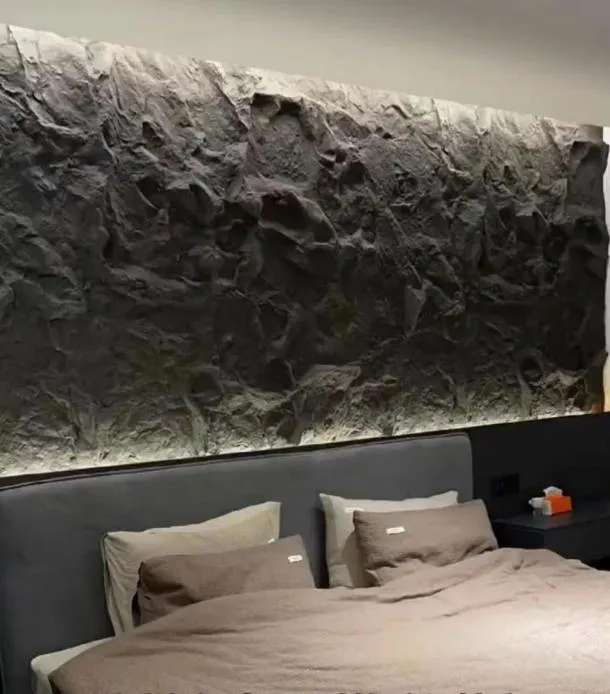
So, what exactly are PU stone wall panels? Let's break it down. PU stands for polyurethane, a durable, lightweight polymer that's combined with natural stone aggregates to create panels that look and feel like the real thing—without the drawbacks. Imagine a wall panel that mimics the rough-hewn texture of a mountain stone, the smooth elegance of marble, or the earthy warmth of travertine—all while weighing a fraction of the actual stone. That's PU stone in a nutshell.
But it's not just about looks. These panels are engineered for the demands of commercial spaces. Let's start with the basics: weight . At 8-12 lbs per square foot, they're up to 90% lighter than natural stone. That means no need for reinforced walls or expensive structural work—you can install them on just about any surface, from drywall to wood to metal. For businesses renting office space (where altering the structure is often off-limits), this is a game-changer. You get the high-end look of stone without the landlord's red tape.
Then there's durability . PU is inherently resistant to scratches, dents, and moisture—key for busy areas like lobbies, break rooms, and meeting spaces. Unlike drywall, which absorbs stains, PU panels are non-porous. Spill coffee on them? Wipe it off with a damp cloth. A delivery cart bumps into the wall? No chip, no crack, no problem. And because they're UV-resistant, they won't fade in sunlight—so that vibrant accent wall in your glass-walled conference room will stay vibrant for years.
But where PU stone panels really shine is in design flexibility . Traditional materials lock you into a single look: once you install brick, you're stuck with brick. PU panels, on the other hand, come in a dizzying array of styles, textures, and colors. Want a sleek, modern vibe? Opt for smooth, matte-finish panels in charcoal or ivory. Going for an industrial chic look? Choose panels with a weathered, "reclaimed stone" texture. Need to match your brand's signature color? Many PU stone wall panel suppliers offer custom color matching, so your walls can echo your logo or company palette.
And let's talk about installation . Traditional stone requires a team of masons, specialized tools, and days (if not weeks) of work. PU panels? They're designed for speed. Most panels interlock like puzzle pieces, and they can be cut to size with standard tools. A small crew can install an entire accent wall in a single day—meaning minimal disruption to your workflow. For businesses that can't afford to shut down during renovations, this is priceless.
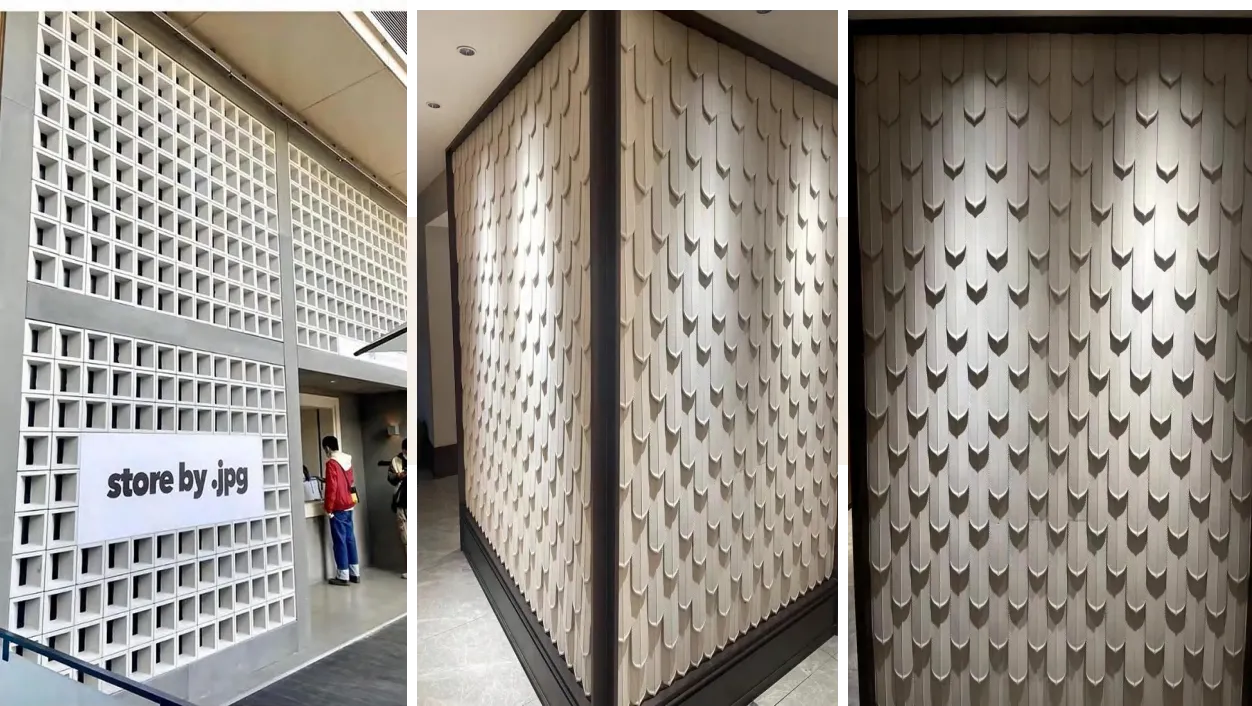
It's one thing to say PU stone panels are "good"—it's another to see how they solve real problems for commercial spaces. Let's dive into the specific benefits that make them a favorite among architects, interior designers, and facility managers.
In a world where employees are increasingly choosing jobs based on workplace culture, the "wow factor" matters. A reception area with a textured PU stone accent wall doesn't just say "we care about design"—it says "we care about you." It creates a space where people want to linger, connect, and feel proud to work. Take, for example, a marketing agency in Riyadh that recently revamped its lobby with PU stone wall panel solutions . Previously, the space was all white drywall and generic artwork—forgettable, even boring. Now, a floor-to-ceiling PU stone wall in warm beige tones serves as the backdrop for their reception desk, paired with modern lighting and a live plant wall. Clients walk in and immediately comment on the "high-end feel," and employees report feeling more motivated just by walking through the door.
Offices are busy places. There are meetings in conference rooms, team huddles in breakout areas, employees rushing to grab coffee, and delivery people wheeling in packages. All of this activity means walls take a beating. PU stone panels are designed to handle that chaos. Their polyurethane core is flexible, so they can absorb minor impacts without cracking. The stone aggregate surface is scratch-resistant, so even if a chair leg scrapes against the wall, there's no visible damage. And because they're moisture-resistant, they're ideal for areas like kitchenettes or bathrooms, where humidity is a concern. One property manager at a co-working space in Dubai put it best: "We used to repaint our common area walls every six months because of scuffs. With PU stone panels? We've had them up for two years, and they still look brand new. It's saved us thousands in maintenance costs."
Sustainability isn't just a buzzword anymore—it's a business imperative. Clients want to work with eco-conscious partners, and employees want to feel their employer is committed to reducing its carbon footprint. PU stone panels check this box in a few key ways. First, their lightweight design reduces transportation emissions—trucks can carry more panels per trip, cutting down on fuel use. Second, many panels are made with recycled stone aggregates, diverting waste from landfills. Third, they're long-lasting, meaning fewer replacements and less material waste over time. Compare that to natural stone, which requires mining (a resource-intensive process) and often results in significant waste during cutting and installation. For businesses aiming for LEED certification or other green building standards, PU stone wall panel solutions offer a tangible way to reduce their environmental impact.
The Challenge: A fast-growing software company in Jeddah had outgrown its small office and moved into a larger space with an open floor plan. The new space had great bones—high ceilings, large windows—but the walls were plain drywall, making the area feel cold and impersonal. The company wanted to create distinct zones (collaboration areas, quiet workspaces, a lounge) without using permanent partitions, and they needed a solution that could be installed quickly, on a tight budget, and would reflect their innovative brand.
The Solution: After consulting with a commercial building materials supplier specializing in interior solutions, they chose PU stone wall panels in two styles: a smooth, gray "concrete-look" panel for the quiet work zones, and a textured "slate" panel in navy blue for the collaboration areas. The panels were used to create partial walls (6 feet high) that defined each zone while keeping the space open and airy. They also added a PU stone accent wall behind the company's logo in the main lobby, using a custom color that matched their brand palette.
The Result: The installation took just three days, with minimal disruption to the team. Employees immediately noticed the difference: the collaboration areas felt more energetic, thanks to the bold blue panels, while the quiet zones felt calm and focused with the neutral gray. Clients visiting the office commented on how "modern" and "put-together" the space felt, and the company reported a 15% increase in employee satisfaction scores related to workplace design. Best of all, the panels stayed within budget—costing 30% less than natural stone and requiring no additional structural work.
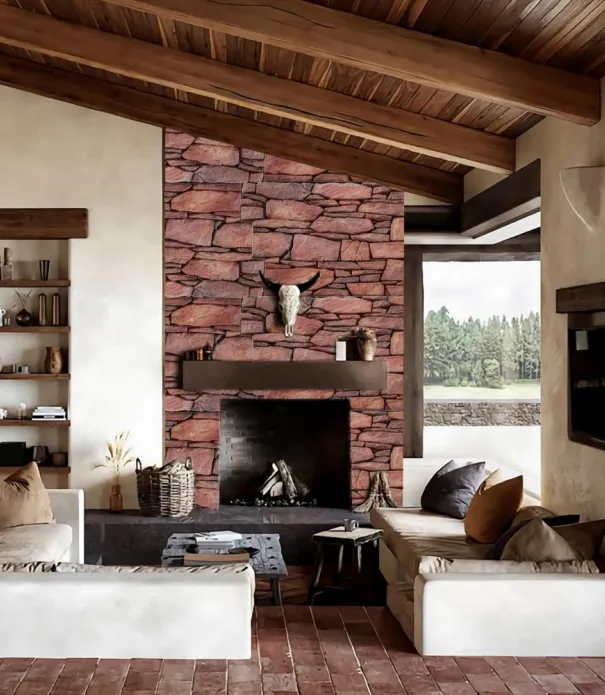
Not all PU stone panels are created equal—and neither are the suppliers who sell them. To get the most out of your investment, you need a supplier who doesn't just sell you a product, but partners with you to achieve your design goals. Here's what to look for:
Remember, the best PU stone wall panel supplier isn't just the cheapest—it's the one that understands your needs, offers quality products, and stands behind their work. For example, some suppliers specialize in commercial building materials and have experience working with large-scale projects, while others focus on custom designs for unique spaces. Take the time to research, ask questions, and even request samples—touching and seeing the panels in person will give you a better sense of their texture and quality than any photo can.
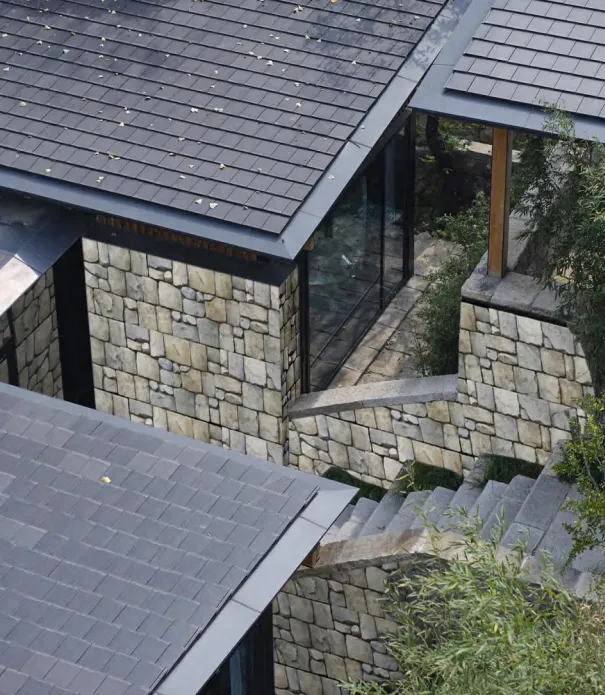
PU stone panels are versatile, but they're not meant to stand alone. The best office designs combine multiple materials to create depth and interest. Here are a few ways to pair PU stone panels with other interior decoration materials for a cohesive look:
Flooring: For a polished, modern vibe, pair PU stone walls with large-format porcelain slab tiles (a popular flooring solution in commercial spaces). The sleekness of the tiles balances the texture of the panels, creating a sophisticated contrast. In more casual areas, like breakout zones, warm wood-look WPC flooring adds a cozy touch that complements the earthy feel of stone panels.
Lighting: PU stone panels come alive with the right lighting. Install recessed LED strips along the base or top of a stone accent wall to create a soft, ambient glow. For a dramatic effect, use track lighting to highlight the texture of the panels, casting shadows that add depth to the space.
Ceilings: Don't overlook the fifth wall! A suspended ceiling with acoustic panels can help absorb sound in open offices, while wooden ceiling beams add warmth that pairs beautifully with stone walls. For a modern twist, consider a matte black metal ceiling grid to contrast with light-colored PU stone panels.
As workplaces continue to evolve—becoming more flexible, more collaborative, and more focused on employee well-being—the role of wall materials will only grow in importance. Traditional options are falling short, unable to keep up with the demands of modern offices. PU stone wall panel solutions , however, offer a glimpse into the future: walls that are durable, beautiful, and adaptable, designed to enhance the way we work rather than hinder it.
Whether you're revamping a reception area, creating a brand-new office, or simply looking to breathe new life into a tired space, PU stone panels are more than just a design choice—they're an investment in your company's culture, your employees' happiness, and your clients' perception. They're proof that great design doesn't have to be impractical, and that "stunning" and "sensible" can go hand in hand.
So, the next time you walk into your office, take a look at your walls. Do they inspire you? Do they reflect the innovative, dynamic company you're building? If not, maybe it's time to consider a change. After all, your workspace should tell your story—and with PU stone panels, that story can be one of creativity, resilience, and forward-thinking design. The walls are listening. Are you ready to make them speak?
Recommend Products











