

Walk down any busy street, and your eyes are drawn to buildings before anything else. For commercial spaces—malls, office towers, hotels, or retail outlets—the exterior isn't just a wall; it's a silent salesman, a brand ambassador, and the first chapter of the story a business tells the world. But over time, even the most striking exteriors fade. Peeling paint, cracked stone, water stains, or simply an outdated design can turn a once-impressive building into a forgettable backdrop. That's where commercial exterior renovation comes in, and today, one material is redefining what's possible: MCM flexible cladding stone wall panels. Let's dive into real-world stories of how a leading architectural façade solutions provider transformed commercial spaces, one panel at a time.
Before we jump into the cases, let's get to know the star of the show: MCM flexible cladding stone wall panels. Short for "Mineral Composite Material," MCM panels are a blend of natural minerals, polymers, and reinforcing fibers. Think of them as the perfect marriage of durability and design freedom. Unlike heavy natural stone or rigid concrete, these panels are lightweight (typically 4–6 kg per square meter), flexible enough to wrap around curves, and tough enough to stand up to the harshest weather—from Saudi Arabia's scorching sun to coastal humidity.
But what really makes them a hit with commercial building owners? Versatility. Want the look of Italian marble for your hotel? MCM can mimic it. Dream of a bold, modern geometric pattern for your tech office? MCM can be cut, colored, and printed to match. And because they're lightweight, installation is faster and cheaper—no need for reinforced structures or weeks of labor. For busy commercial spaces, that means less downtime and quicker returns on investment.
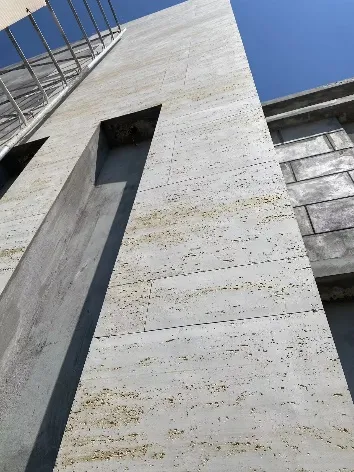
The best way to understand MCM's impact is to see it in action. Below are three case studies from a leading commercial building materials supplier and one-stop architectural solution provider, showcasing how MCM flexible cladding transformed challenging renovation projects into success stories.
In Riyadh's bustling Al Murabba district, a mid-sized shopping mall had seen better days. Built in the early 2000s, its exterior was a patchwork of faded ceramic tiles and chipped paint. Foot traffic was declining, and tenants were complaining that the "tired" look was driving customers away. The mall's management needed a solution that would: 1) Refresh the aesthetic without closing for months; 2) Withstand Riyadh's extreme heat (up to 50°C in summer) and occasional sandstorms; 3) Stay within a tight budget.
Enter a Saudi Arabia building materials supplier specializing in MCM flexible cladding stone wall panel solutions. After assessing the site, the supplier proposed a custom design: warm beige panels with subtle veining to mimic natural sandstone (a nod to local architecture) and accent panels in deep terracotta to add energy. The panels were printed with a UV-resistant coating to prevent fading and treated with a self-cleaning layer to repel dust and sand.
The result? Installation took just 10 weeks (half the time of traditional stone cladding), and the mall reopened with a exterior. Within six months, foot traffic was up 22%, and two new high-end retailers signed leases, citing the "modern, welcoming vibe" as a key factor. "We didn't just fix a wall," says the mall's operations manager. "We gave customers a reason to stop and look—and then come inside."
Dubai's Silicon Oasis is home to startups and tech giants alike, and one 12-story office tower was struggling to attract tenants. Its original exterior—gray concrete panels—felt cold and industrial, clashing with the area's reputation for innovation. The building's owner wanted something bold, something that screamed "forward-thinking," but also needed to ensure the material could handle Dubai's humidity and occasional heavy rains.
Working with the same one-stop architectural solution provider, the team opted for MCM panels in a striking combination: matte black base panels with glossy white geometric accents, designed to look like code or circuit boards from afar. The supplier's in-house design team used 3D modeling to test how the panels would catch light throughout the day, adjusting angles to maximize visual interest. Since the tower had curved corners, the flexibility of MCM was a game-changer—no more awkward seams or broken rigid panels.
Post-renovation, the tower became known as "The Pixel" among locals. Leasing rates jumped by 15%, and a major fintech company moved in, praising the building's "ability to reflect our brand's energy." The supplier even added value by coordinating with electricians to integrate subtle LED strips between panels, turning the exterior into a glowing landmark at night—all part of their "end-to-end service promise."
A boutique hotel in Jeddah's historic Al-Balad district faced a unique challenge: preserving its cultural heritage while upgrading to modern standards. The original stone façade was crumbling, but replacing it with natural stone would have been cost-prohibitive and environmentally damaging (quarrying natural stone is resource-intensive). The hotel wanted luxury, sustainability, and a design that honored the area's traditional architecture.
The MCM supplier stepped in with a creative solution: panels printed to replicate the texture of "Jeddah stone," a local sandstone with warm, earthy tones. The panels were made using 30% recycled materials, aligning with the hotel's eco-friendly mission, and installed with minimal waste. Because MCM is lightweight, the hotel didn't need to reinforce its aging structure—a critical cost-saver. To add authenticity, the supplier even custom-matched the panel's texture to photos of the original stone from the 1970s.
Guests and critics loved it. The hotel's occupancy rate rose by 18%, and it earned a sustainability certification from the Saudi Green Building Forum. "We didn't just restore the hotel—we future-proofed it," says the hotel's owner. "The MCM panels look like they've been here for decades, but they'll last for decades more without harming the planet."
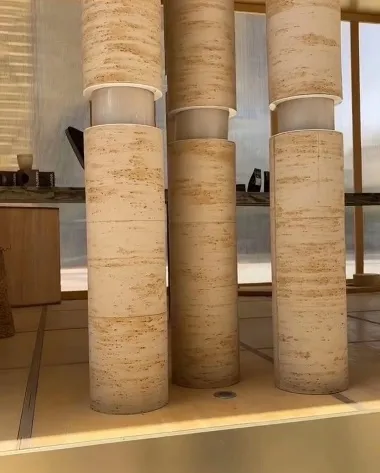
These cases share a common thread: they all worked with a one-stop architectural solution provider, not just a "supplier." What's the difference? A typical supplier drops off materials and walks away. A one-stop provider stays with you from start to finish: they listen to your goals, design custom solutions, handle logistics, coordinate with installers, and even follow up post-installation to ensure satisfaction. For the Riyadh mall, that meant on-site engineers adjusting panel sizes to fit existing structural gaps. For the Dubai tech hub, it meant 3D renderings to help the owner visualize the final look. For the Jeddah hotel, it meant sourcing recycled materials and ensuring compliance with local sustainability laws.
This level of support is critical for commercial projects, where delays or mistakes can cost thousands. When you're juggling contractors, permits, and tenant timelines, having a single point of contact for your exterior cladding isn't a luxury—it's a necessity.
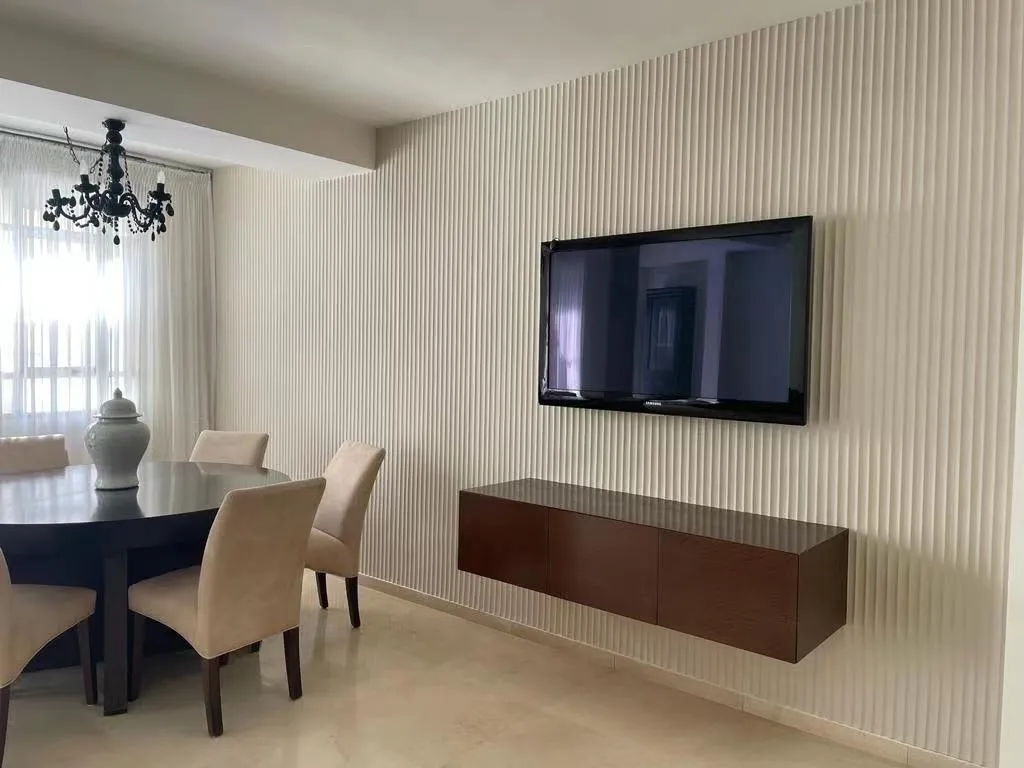
Still on the fence? Let's break down how MCM stacks up against traditional cladding materials. The table below compares key factors for a 500-square-meter commercial exterior renovation:
| Factor | Natural Stone | Brick | MCM Flexible Cladding |
|---|---|---|---|
| Weight (per sq m) | 25–30 kg | 18–22 kg | 4–6 kg |
| Installation Time | 6–8 weeks | 4–5 weeks | 2–3 weeks |
| Maintenance Cost (10 years) | $15,000–$20,000 | $8,000–$12,000 | $3,000–$5,000 |
| Design Flexibility | Limited (fixed colors/textures) | Low (standard sizes/colors) | High (custom prints, shapes, curves) |
| Sustainability | High carbon footprint (quarrying/transport) | Moderate (energy-intensive production) | Low (recycled materials, lightweight = less transport emissions) |

As more commercial building owners discover MCM's benefits, suppliers are innovating faster than ever. Today's panels can do more than just look good—some are integrated with solar cells to generate energy, others have antimicrobial coatings for healthcare facilities, and new printing technologies mean you can now get panels that mimic rare stones like Switzerland stone or cloud stone without the environmental cost. For suppliers, the focus is on "smart cladding": panels that contribute to a building's efficiency, safety, and even connectivity.
And in regions like Saudi Arabia, where urban development is booming, MCM is becoming the go-to choice for developers aiming to balance tradition and modernity. "Clients here want buildings that reflect our culture but can compete on the global stage," says a senior architect at the one-stop supplier. "MCM lets us do both—we can print traditional patterns on panels that meet international durability standards."
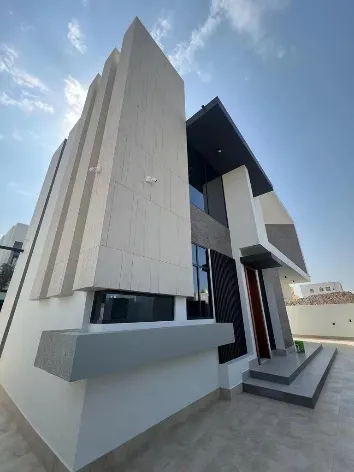
Commercial exterior renovation isn't just about patching up problems—it's about seizing an opportunity. An opportunity to stand out, attract customers, and future-proof your investment. MCM flexible cladding stone wall panels aren't just a material; they're a tool to turn that opportunity into reality. And when paired with a one-stop architectural solution provider, they become a partnership that delivers results—on time, on budget, and beyond expectations.
So, if your commercial building's exterior is stuck in the past, ask yourself: What story do you want to tell? With MCM, the answer can be anything you imagine—bold, beautiful, and built to last.
Recommend Products











