


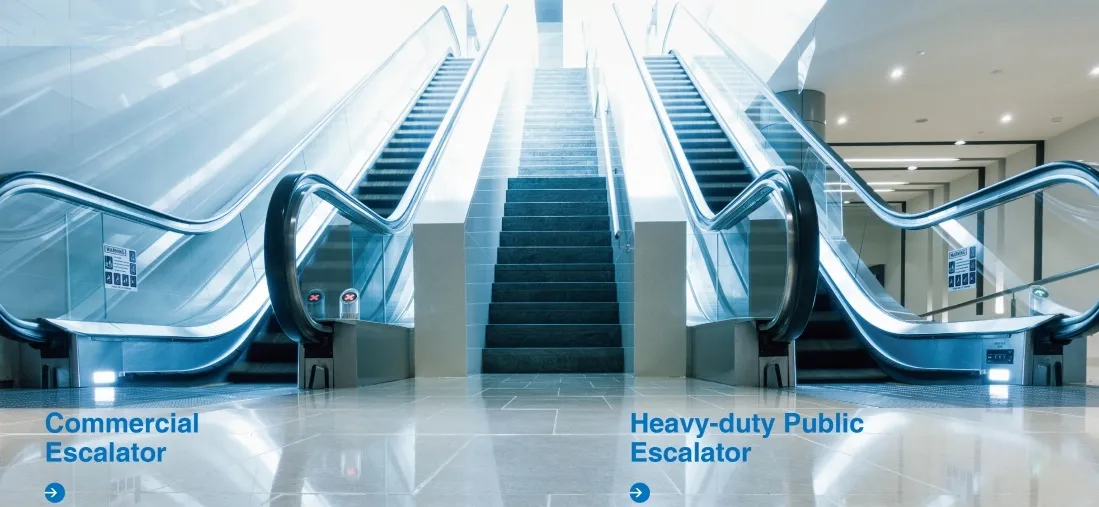
Thinking about upgrading your commercial space with escalators? You're definitely not alone. These moving staircases have become absolute essentials in shopping malls, airports, and large office buildings everywhere. They move people efficiently and add a sleek, modern touch to any space. But let me tell you, buying a commercial escalator isn't like picking out a toaster. It's a big commitment that requires serious thought. So let's walk through what you really need to know before making this investment.
How Commercial Escalators Work (It's Cooler Than You Think!)
The engineering behind escalators is actually pretty fascinating. They're essentially conveyor belts with steps, powered by an electric motor system hidden underneath. The steps rotate in a continuous loop – when they get to the top, they flip over and go back to the bottom on the underside. Clever, right? Modern commercial escalators are designed to handle serious weight and constant use without breaking down. We're talking steel frames, durable floor materials , and safety systems that could probably survive an earthquake.
Picking the Right Size: Your Space Matters
Escalators aren't one-size-fits-all. You'll need to measure your space like a tailor measuring for a custom suit. The vertical height between floors (called the "rise") determines how long your escalator needs to be. And don't forget about the incline! A steeper angle saves space but might make some folks uneasy. You'll also need to think about:
| Application | Typical Width | Passenger Capacity |
|---|---|---|
| Small retail stores | 24-32 inches | 2 people side-by-side |
| Shopping malls | 40 inches | 4,000 people/hour |
| Airports & transit hubs | 48+ inches | 6,000+ people/hour |
Getting the measurements wrong can mean your escalator project becomes a nightmare. Trust me, you don't want to discover it sticks out into the main walkway after installation!
The Top Considerations When Buying Commercial Escalators
Material & Construction Quality
Commercial escalators need to withstand years of constant punishment. Look for durable components that can handle your specific needs. The balustrades (those side panels) should match your interior style – whether that's sleek glass, polished stainless steel, or special wall materials . The step surfaces need to be slip-resistant for safety. You'll want steps with grooves that channel water and dirt away - otherwise, it becomes a lawsuit waiting to happen.
Safety as a Non-Negotiable
Safety features are where you should never cut corners. We're talking emergency stop buttons at both ends, sensors that detect objects stuck in the comb plate (that teeth-like entrance area), and automatic shutoff if steps get misaligned. For places with kids, the gap between steps and side panels should be designed to prevent small feet from getting caught. These aren't just nice-to-haves – your insurance company will demand them!
Energy Efficiency = Savings
That escalator motor runs 10-16 hours a day. Energy costs add up fast! Modern commercial escalators have smart tech to cut power consumption. Look for models with:
- Variable frequency drives that slow the escalator when nobody's using it
- LED step lighting instead of traditional bulbs
- Eco-mode that puts the system to sleep during slow periods
These features might cost more upfront but pay for themselves surprisingly quickly.
Finding the Right Partners
Who you buy from matters more than the product itself. Finding reliable elevator suppliers and flooring contractors makes all the difference in installation quality. Look for companies with documented experience with commercial escalator projects similar to yours. And please, check their maintenance records! A good partner will offer flexible service agreements to keep your escalators running smoothly after installation.
Real-World Challenges (And How to Avoid Them)
Having helped clients through escalator installations, I've seen it all. One mall owner forgot to account for future ceiling renovations - the escalator blocked access to critical structural beams. Another discovered too late that their chosen model vibrated so much it rattled wall-mounted displays. How do you avoid these nightmares?
Here's a tip: create a mockup section of your planned installation. Seeing even a small physical sample helps spot conflicts with ceiling heights, support columns, or floor surfaces. And please – involve your architects and commercial appliance solutions teams early. They can identify conflicts with air conditioning ducts, sprinkler systems, or security cameras that might otherwise get overlooked until it's too late.
Installation: The "Oh God What Did I Do?" Phase
Escalator installation isn't a weekend DIY project. It's complex surgery for your building. First comes demolition work – cutting through existing floors. Then they build support structures in the newly created pit. Finally comes the actual escalator assembly, piece by piece. Expect disruption. Dust, noise, restricted access – it'll test your patience. But a good installer minimizes this chaos with protective barriers, after-hours work, and constant cleanup.
Testing before opening is critical. They'll run it with weight equivalent to a full passenger load for stability checks. All safety sensors get tested repeatedly. And there's usually a snag list – small tweaks needed to perfect everything. Budget extra time for this phase. Opening too early before thorough testing leads to breakdowns and public relations nightmares.
The Often-Forgotten Long-Term Costs
That shiny new escalator price tag? It's just the beginning. Maintenance contracts typically cost 10-15% of the purchase price annually. Parts aren't cheap either. Comb plates (those metal teeth at each end) need replacement every 2-3 years at about $1,500 each. Drive chains last 5-7 years and cost upwards of $10,000. And step replacement? Depending on your traffic, steps might need replacing every 5-8 years at $1,200 each.
But skimping on maintenance is disastrous. Worn steps become safety hazards. Neglected gears can seize completely. Electrical issues cause unexpected shutdowns that frustrate customers. Find a maintenance partner with fast response times – ideally within 4 hours for critical failures. And require detailed reports after each service visit.
Making the Final Decision: Your Action Plan
- Audit your space carefully: Measure ceiling heights, structural limitations, and passenger flow patterns at different times of day
- Consult experts early: Bring in engineers, architects, and accessibility specialists before talking to suppliers
- Request detailed proposals: Make sure bids include all potential add-ons and specify maintenance costs for year 1-5
- Check references obsessively: Visit other sites with escalators from your potential suppliers and talk to their maintenance staff
- Plan for disruption: Create a phased installation schedule that minimizes impact on your operations
Commercial escalators should be strategic investments that enhance your space for decades. Done right, they become the veins keeping your building alive with movement. Done poorly? They become expensive nightmares. Use this guide to avoid the pitfalls and create a seamless experience your customers will appreciate without even noticing.
Ultimately, a well-chosen escalator does more than move people – it creates flow, accessibility, and even becomes part of your brand identity. Seeing those moving stairs humming smoothly with happy customers? That's the silent success story every commercial space owner dreams about. Good luck with your search – you've got this!










