


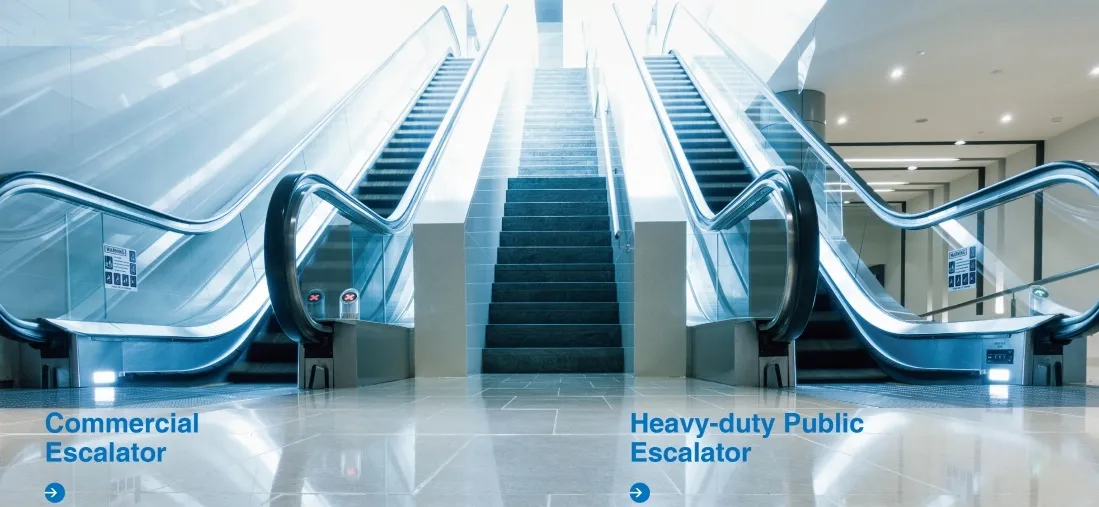
Hey there! So, you're walking into a big shopping mall or an airport, and one of the first things you see is those moving staircases, right? Escalators are everywhere in commercial buildings, and while they make our lives super convenient, they also come with some risks if safety isn't a top priority. You might be thinking, "What could go wrong?" Well, slips, trips, or even entrapments happen more often than you'd guess. But don't worry—today, we're going to break down the must-know safety features for commercial escalators. It's all about keeping things simple and conversational, so you walk away feeling informed and ready to stay safe. We'll dive into why these features matter and how they work in plain English. And guess what? We're not just talking buttons and brakes—high-quality building materials play a huge role too. Plus, when it comes to installing escalators, professionals like elevator installation companies step in to ensure everything's up to scratch. Electrical equipment is the unsung hero here, powering safety behind the scenes. Oh, and one last thing—I'll share some tips for spotting these features so you can use escalators with confidence. Let's get rolling!
Why Escalator Safety Matters for Everyone
Okay, let's start with the basics. You use escalators all the time, maybe without even realizing it. But here's the thing: they move fast and have moving parts, so safety isn't just a nice-to-have; it's essential. Picture this—you're in a busy department store, and a kid's shoelace gets caught in the steps. Yikes! That's where escalator safety features kick in to prevent injuries. Now, in the grand scheme of things, the materials used in building these escalators aren't just about durability. High-quality building materials mean they're stronger and less likely to fail under heavy use. Think about it—escalators handle thousands of people daily, so they need to be rock-solid. And for commercial projects, this isn't something you cut corners on. Seriously, cheap materials can lead to breakdowns, which is a big no-no for safety.
Plus, behind all the shiny steps, it's the electrical equipment that keeps things running smoothly. If the wiring or controls aren't up to par, a simple power surge could cause a sudden stop or worse. But don't stress—modern escalators have fail-safes built in. That's why regular inspections by experts from elevator installation companies are crucial. They don't just slap the escalator together; they test every bolt and switch to make sure it meets strict standards. It's kind of like getting your car serviced—skip it, and you're risking a lot. So next time you step on one, you'll know it's not just luck keeping you safe. The industry relies on these pros to handle the nuts and bolts of installation and maintenance.
On the flip side, if you're involved in managing a commercial space, understanding this stuff can save you headaches. Say you're sourcing equipment—choosing reliable elevator suppliers means you're investing in products that pass all safety checks. These suppliers often provide custom solutions for places like malls or hospitals, where high-traffic escalators need extra tough features. And let's be honest, with electrical equipment integrated into every component, it's all about preventing shocks or fires. Safety is a team effort, from the materials used to the hands that install them.
Top Safety Features That Keep You Protected
Emergency Stop Buttons: Your Instant Lifesaver
Alright, let's kick off with one of the easiest spots on any escalator—the emergency stop buttons. These little red switches are like the panic buttons in an elevator. You've probably seen them at the top or bottom landing. If something goes wrong—say, a bag gets stuck or someone falls—you can hit that button to freeze the escalator in its tracks. And trust me, it's not as scary as it sounds. It halts everything immediately, giving time for help to arrive. How it works? Well, it's tied right into the electrical equipment of the escalator. The system senses the button press and cuts power in a flash. But here's a pro tip: don't go pressing it willy-nilly unless there's an actual emergency. False alarms can cause chaos!
Now, why should you care? In commercial buildings, like airports, these buttons are constantly monitored. High-quality building materials ensure they're durable, so they don't get damaged by bumps or weather changes. Plus, elevator installation companies test them during setup. They make sure the buttons respond quickly and reliably. Fun fact: in new escalators for commercial projects, these buttons have to be within easy reach so anyone—including kids—can use them. It's a simple feature, but it saves lives every day. Just imagine being in a crowded area without it; things could escalate fast—pun intended!
Handrail Guards and Skirt Brushes: No Nasty Pinches
Ever been on an escalator and noticed those rubbery brushes along the sides? Those are skirt brushes, and they're lifesavers for your hands and feet. Basically, they create a barrier to stop anything from getting stuck between the moving steps and the stationary sides. Think shoelaces, loose clothing, or even small fingers. Without them, a minor slip could lead to a serious pinch. And for places like shopping centers with high foot traffic, it's essential to prevent those "ouch" moments. How is this connected to our keywords? Well, the materials used in these brushes come from high-quality building materials, making them flexible yet strong to withstand constant rubbing.
Moving on, handrail guards are like the unsung heroes of escalator safety. They cover the gaps where the handrail goes into the wall, stopping kids from poking things in there. It's all about outsmarting curiosity! The guards are designed to be sturdy, thanks to electrical equipment that monitors pressure. If something gets wedged, sensors trigger the emergency stop. And you guessed it—proper installation by elevator installation companies ensures they're perfectly aligned. They don't just mount them; they test that every guard responds as intended. Suppliers of these parts, often top elevator suppliers, focus on custom fits for different models. So, next time you're holding the rail, you'll know it's got your back.
Comb Plate Safety and Step Edge Detection: Smooth Moves
Okay, onto something a bit techie but super important—comb plates and step edge detection. The comb plate is that groovy section at the top and bottom where the steps flatten out and slide under a toothed metal plate. Sounds like something from a sci-fi movie, right? But it's crucial because it prevents your feet from getting trapped. If an object, like a shoe or a bag, gets stuck, built-in sensors detect the obstruction. How? The electrical equipment constantly checks pressure and movement. If something's off, it stops the escalator automatically to avoid injury. In modern setups, this feature is linked directly to the control panel.
But here's where step edge detection shines—it uses sensors to spot if steps are misaligned or damaged. Imagine a cracked step edge; that could cause trips or falls. The detectors alert maintenance crews before it becomes a problem. For this to work well, it relies on high-quality building materials. The sensors and plates must handle stress without failing, which is why they're made from tough alloys. And elevator installation companies install them with precision to ensure seamless operation. Suppliers for such components, from elevator suppliers, provide custom solutions for big venues, ensuring durability for long-term use in commercial projects.
Sensors and Alarms: Always Watching
Finally, let's talk about the behind-the-scenes heroes—sensors and alarms. These gadgets are like the eyes and ears of the escalator. You've got speed sensors that keep things at a steady pace—no sudden accelerations here! Plus, smoke detectors and temperature sensors tie into the electrical equipment to prevent fires. If things heat up, the alarm blares and the escalator shuts down. Pretty nifty, huh? They're vital in crowded areas to avoid panic situations.
And for installations, elevator installation companies test all these systems rigorously. Suppliers provide high-tech sensors that come from high-quality building materials, ensuring they last years without malfunctioning. Whether it's a new escalator in a mall or an upgrade, these features add a layer of peace of mind. Remember, a well-monitored escalator means fewer accidents and happier users.
A Quick Reference Guide to Escalator Safety Features
To make it easy-peasy, I've whipped up this table summarizing the top safety features we've covered. Use it as a cheat sheet the next time you're out and about. It shows how each feature works and why it matters in plain terms—no jargon here!
| Safety Feature | How It Works | Why It's Important |
|---|---|---|
| Emergency Stop Buttons | Instant power cut-off button located at landings; tied to electrical equipment for fast halting. | Stops escalator immediately in emergencies, preventing injuries from falls or entrapments. |
| Skirt Brushes | Rubber brushes on sides made from high-quality building materials; create a barrier against gaps. | Prevents fingers, clothing, or small objects from getting caught, reducing pinching hazards. |
| Handrail Guards | Covered gaps with sensors; if blocked, triggers stop via electrical equipment. | Stops curious kids or items from entering dangerous areas, ensuring safe handrail use. |
| Comb Plate Safety | Toothed plate with obstruction sensors; if something is trapped, it stops the escalator. | Prevents feet or objects from getting stuck at entry/exit points, avoiding serious accidents. |
| Step Edge Detection | Sensors monitor step alignment; alerts if steps are damaged or misaligned. | Reduces trip risks by catching issues early; crucial for smooth, safe rides. |
| Sensors and Alarms | Speed, smoke, and temperature detectors integrated with electrical equipment. | Monitors for problems like fires or speed surges, ensuring timely shutdowns. |
Hey, this table is your go-to for a quick refresher! Notice how many features tie back to electrical equipment and high-quality building materials? That's not by accident—they're the backbone of reliability, supplied by elevator suppliers who specialize in this stuff. And when elevator installation companies handle the setup, they guarantee everything fits perfectly, even in custom designs for large commercial projects.
How Suppliers and Installers Make a Difference
Now, let's chat about the people who make escalator safety possible. You might not see them, but elevator installation companies are the unsung heroes here. They're the folks who roll up their sleeves to assemble and test every safety feature. Picture this—they don't just slap it together; they run simulations to ensure buttons respond instantly or sensors pick up the smallest obstructions. It's like having a pit crew for escalators. And they work closely with elevator suppliers, who provide the parts. Those suppliers aren't just random vendors; they're experts in high-quality building materials. That means the metal for steps, the rubber for brushes—everything is top-notch to handle years of wear and tear. For commercial projects, that's gold because cheap bits can lead to breakdowns and risks.
Speaking of which, electrical equipment is key in this process. Suppliers deliver components like control panels and wiring that keep safety systems humming. If the gear fails, even the best escalator can become a hazard. But good suppliers ensure it's all durable and compliant with standards. Plus, in big buildings with constant traffic, you need custom solutions—like how elevator suppliers tailor designs to handle crowds. And let's not forget the role of materials. High-quality building materials mean escalators can withstand everything from weather to vandalism. So next time you're on one, think of the teamwork involved!
Your Part: Tips for Staying Safe on Escalators
Alright, we've covered the technical stuff, but what can you do as a user? First off, always hold the handrail—sounds basic, but it's your best friend against falls. And watch your step when getting on or off; that's where comb plates and step detection come into play. Don't overload with bags or strollers; it can block sensors. Oh, and if you see anything funny—like a loose step or smoke—report it. The sensors and alarms we talked about rely on us to act quickly.
Remember, high-quality building materials in the escalator mean it's built to last, but your awareness adds an extra layer. If you're involved in property management, work with reliable elevator suppliers for installations. They ensure the electrical equipment is up to date, especially for high-traffic areas like commercial projects. Bottom line: safety is a partnership, from the makers to the users.
So there you have it—commercial escalator safety isn't rocket science, but it's definitely not something to overlook. We've walked through emergency stops, brush barriers, and sneaky sensors, all backed by solid electrical equipment and the know-how of elevator installation companies. The takeaway? These features are your silent guardians in busy spots, thanks to high-quality building materials and expert handling from elevator suppliers. Next time you hop on an escalator, you'll spot these lifesavers in action. Stay safe out there, and ride with confidence!










