


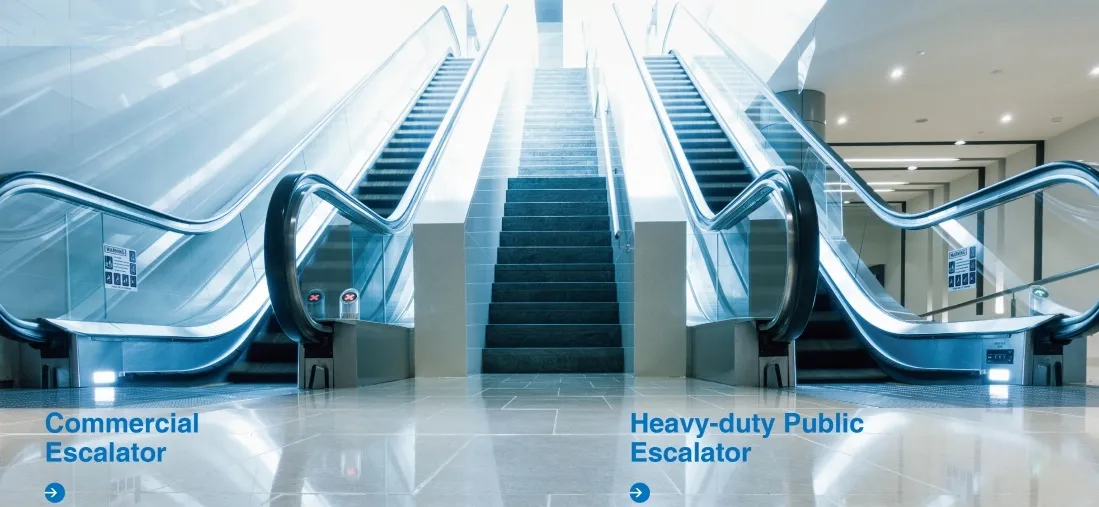
Planning commercial upgrades? Understand how evolving technologies, material innovations, and market demands will impact your escalator investment through 2025.
Understanding Modern Escalator Systems
Today's commercial escalators are engineering marvels blending form and function. Unlike traditional staircases, they're dynamic people-movers designed for high-traffic environments. Picture airport terminals at peak hours or shopping malls during holiday sales - these systems effortlessly transport thousands daily. Modern units incorporate regenerative drives that capture kinetic energy during descent, feeding 15-30% back into building systems. Touchless controls, predictive maintenance sensors, and ADA-compliant designs make them smarter and safer than ever.
2025 Price Landscape: What to Expect
Budgeting requires understanding the layered pricing structure. Base equipment costs are just the starting point - installation complexity, materials like marine-grade stainless steel for coastal installations, and smart features quickly escalate budgets. By 2025, mid-range commercial models (30-40 ft rise) will range $170,000-$275,000 including smart sensors and safety systems.
| Configuration | Entry-Level | Mid-Range | Premium |
|---|---|---|---|
| Standard Parallel (20 ft) | $145,000–$185,000 | $185,000–$235,000 | $240,000+ |
| Crisscross System (35 ft) | $225,000–$265,000 | $265,000–$330,000 | $350,000+ |
| Outdoor Weatherproof (25 ft) | $195,000–$240,000 | $245,000–$295,000 | $320,000+ |
Custom balustrades with architectural finishes like bronze metallic or illuminated handrails add $15,000-$45,000. Premium safety features including AI-powered obstacle detection now add 7-12% to base prices but significantly reduce liability risks.
Key Cost Determinants
Multiple variables transform simple ballpark figures into precise quotations. Getting these details right prevents budgetary surprises during procurement.
Vertical Rise & Length
Unlike height alone, total incline distance determines structural requirements. Every additional 5 feet increases material costs 8-12%. A 45-foot unit requires substantially more powerful motors than a 20-footer.
Step Configuration
Wider steps (48" vs standard 32") accommodate higher traffic flow but increase costs 15-20%. Curved models like those in luxury hotels demand specialized engineering, costing 35-60% more than straight configurations.
Smart Features Premium
Modern IoT integrations add $18,000–$35,000. This includes vibration sensors predicting bearing failures, touchless operation, and emergency communication systems. These features yield operational savings through reduced downtime.
Operational speed (100 fpm vs standard 90 fpm) impacts motor costs by 10-15%. Additionally, locations with seismic activity or extreme weather require reinforced structures adding 12-25% to foundation costs.
Hidden Expenses Savvy Buyers Anticipate
Beyond the equipment sticker price, these often-overlooked factors derail budgets:
Structural Modifications: Reinforcing floor openings or load-bearing walls costs $25,000–$75,000 depending on building age. Historic structures often require specialized engineering solutions.
Utility Upgrades: High-capacity units may require electrical service upgrades. Adding 400-amp panels and dedicated transformers averages $18,000–$40,000.
Ongoing Compliance: Modern safety regulations mandate quarterly safety system calibrations ($450–$900/visit) and annual load testing ($1,200–$3,500). Municipal permitting alone ranges $8,000–$15,000.
Smart Procurement Strategies
Maximize value without compromising quality:
Phased Implementation: Install critical units first, delaying decorative elements. Basic operational systems can be upgraded later with aesthetic finishes.
Bundled Maintenance: Negotiate 5-7 year service agreements upfront at 15-30% discount compared to annual contracts. Reputable manufacturers offer comprehensive service tiers.
Tax Incentives: Energy-recovery systems and accessibility upgrades qualify for federal deductions up to $7,500 per unit plus local incentives. These combined can cover 12-18% of installation costs.
Partnering with manufacturers who optimize structural design creates tangible savings. One leading china escalator manufacturer recently reduced steel requirements by 18% through parametric modeling without compromising safety ratings.
Future-Proofing Considerations
With 25-30 year operational lifespans, today's installations must accommodate tomorrow's needs:
Modular Design: Choose systems allowing component upgrades. Some newer controllers accept hardware expansions for AI analytics and predictive maintenance capabilities.
Load Headroom: Specify motors rated for 20% above current traffic projections. This avoids costly replacements when building usage intensifies.
Maintenance Access: Designs with rear service corridors versus top-access panels reduce labor hours for routine servicing by 30-45% over decades of operation.
The Operational Math: Beyond Purchase Price
Sophisticated buyers evaluate total lifecycle costs. Consider:
Energy Savings: Regenerative drives convert descent energy into building power. For busy installations, this generates $1,200–$3,800 annual utility savings per unit.
Downtime Economics: A single escalator outage in a retail environment costs $8,000–$25,000/hour in lost sales. Premium monitoring systems reduce failure rates by 40-65%.
Longevity Investments: Spending 8-12% more on marine-grade stainless components extends operational life by 7-10 years in humid climates, delivering 3x ROI over decades.
Material Matters
Component quality directly impacts longevity and maintenance costs:
Step Materials
Standard aluminum: $5,200 replacement cost every 5-7 years. Hardened composites: 12-15 year lifespan with higher initial investment but lower lifecycle cost.
Balustrade Options
Tempered glass ($195-$265/linear ft) offers modern aesthetics but requires frequent cleaning. Solid panels ($135-$195/linear ft) are more durable in high-impact zones.
Drive Systems
Traditional gear-driven ($23,000-$38,000) vs direct-drive systems ($32,000-$48,000). The latter reduces vibration, extends belt life 3x, and cuts energy use 11-17%.
Making the Final Decision
Selecting the right system requires balancing multiple factors. Traffic analysis should drive capacity planning - a boutique hotel requires different specifications than a transit hub. Consider architectural integration; some modern escalators feature frameless glass designs that blend with contemporary spaces but cost 18-25% more than standard models.
Manufacturer selection remains critical. Beyond checking ISO 9001 certifications, evaluate their regional service network. A provider with multiple local technicians ensures faster response during critical outages. Review their digital capabilities - can you monitor equipment health through mobile dashboards? This level of operational visibility transforms maintenance from reactive to proactive.










