


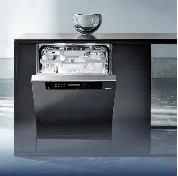
Hey there, restaurant owner or kitchen manager. Ever stood in front of a commercial dishwasher catalog and felt completely overwhelmed? Like trying to choose a coffee flavor at some fancy artisanal shop with 50 options? You're not alone. Buying a commercial dishwasher isn't just picking an appliance - it's selecting the workhorse of your kitchen operations.
I've been where you are, scratching my head while comparing technical specs that might as well be written in Martian. Through countless conversations with chefs, facility managers, and equipment specialists, I've learned what truly matters when the rubber meets the road (or should I say, when dirty dishes meet hot water).
This isn't going to be like those sterile buying guides that drone on about model numbers. We're going to have a real talk about the core differences that actually impact your daily operations, your budget, and even your sanity. I'll break down the types in plain English, walk you through the real costs (including the hidden ones!), and share some insider tips on maintenance that'll save you tons in the long run.
The Heart of Your Operation: Matching Dishwasher to Space & Workflow
Think of commercial dishwashers like kitchen staff - you wouldn't hire a gourmet chef for a fast food joint or a burger flipper for fine dining. Different operations need different solutions. This isn't just about square footage; it's about how dishes flow through your space.
The "no-nonsense" workhorses for smaller spaces like cafes or bars. Picture fitting these under a standard counter - perfect when every inch counts. Don't underestimate them though; they pack a serious cleaning punch whether you go high-temp or low-temp. Ideal for spots where dishwashing isn't your main show.
Ever seen dishes moving through a washer like cars on an assembly line? That's your conveyor. Game changer for high-volume spots like bustling restaurants where turnaround time is money. The non-stop cleaning rhythm keeps plates flowing even during crazy dinner rushes.
The Goldilocks "just right" solution between compact undercounters and bulky conveyors. That simple door opening makes loading/unloading a breeze, plus they've got more capacity than their undercounter cousins. Perfect for medium-sized kitchens with steady business.
Your secret weapons for special items. Glass washers treat stemware like precious crystal instead of regular dishware battering rams. Pot washers? They're the heavy lifters tackling giant stockpots. Got unique needs? There's probably a specialized washer for it.
Feature Face-Off: Temperature & Sanitation Choices
Now let's settle the age-old battle: high-temp vs low-temp. Both clean dishes, but how they sanitize is like choosing between a flamethrower and chemical warfare against bacteria.
High-Temp Advocates:
- Thermal Warfare: Zaps bacteria at 150-180°F, FDA-approved kill zone
- Drying Pro: Heat evaporates moisture faster than a Texas summer
- Grease Obliterator: Melts off baked-on crud like magic
High-Temp Tradeoffs:
- Energy Hungry: Heating all that water ain't cheap on utilities
- Steam Generator: Needs serious ventilation - that hood install adds costs
- Hotter Environment: Your dish crew will feel like they're in a sauna
Low-Temp Champions:
- Energy Saver: Gentler on power bills since it uses cooler water
- Workspace Friendly: Doesn't turn your dish area into a sweat lodge
- No Hood Needed: More placement flexibility in tight kitchens
Low-Tempo Pitfalls:
- Chemical Warfare: Requires specific sanitizing chemicals
- Longer Cycles: Cleaning takes more clock time
- Pre-Scrub Needed: Tough grime needs elbow grease before loading
The Dollars & Sense Analysis
Let's talk real numbers - because that price tag is just your entry fee. Total ownership costs sneak up like a bad soufflé if you're not careful.
| Dishwasher Type | Initial Price Range | Water/Gallon | Energy Impact | Common Repairs |
|---|---|---|---|---|
| Undercounter | $3,000 - $9,000 | 1.2 - 1.5 gallons | ⭐⭐⭐ | Pump failures, heating elements |
| Door-Type | $8,000 - $16,000 | 1.0 - 1.3 gallons | ⭐⭐⭐⭐ | Door seals, conveyor motors |
| Conveyor | $15,000 - $40,000+ | 0.8 - 1.0 gallons | ⭐⭐⭐⭐⭐ | Conveyor belts, spray arms |
| Pot Washer | $12,000 - $25,000 | 2.0+ gallons | ⭐⭐⭐ | Heavy-duty pump systems |
Pro tip: That ventless model might look pricier upfront but could save thousands in ventilation installation costs. Do the math on your local exhaust hood requirements - some urban codes make ventilation an expensive nightmare.
Kitchen Symphony: Noise & Space Considerations
A noisy dishwasher isn't just annoying - it's like having a blender running constantly during your dinner service. And space? A machine that doesn't fit your kitchen is like trying to park an SUV in a compact spot.
The noise factor: Your open kitchen customers don't want to feel like they're dining next to an airport runway. Check dB ratings - anything under 55 dB is "library quiet," while above 70 dB means shouting orders.
Space efficiency: Before choosing, map out your entire water supply and drainage system. Adding a dishwasher might require rerouting your plumbing layout significantly. And remember accessibility - your dish staff shouldn't need yoga training to load the bottom rack.
Installation realities: That shiny new machine isn't just plug-and-play. Consider both physical footprint and workflow paths - disrupting your main cooking line during install can cost you a day's revenue.
The Brand Breakdown: Who Makes What
The heavy-duty champions built like tanks. Their conveyors can process 50+ racks hourly without breaking a sweat. Maintenance is surprisingly manageable too - designed for busy kitchens where every minute counts.
The institutional workhorses you find in hospitals and school cafeterias. Simple, rugged, no-frills machines where reliability matters more than fancy features. Water efficiency is where they really shine.
Innovators focusing on user-friendly designs and modern efficiency. Perfect if you're trying to lower utility bills or have a smaller space but still need serious cleaning power. Their compact models are shockingly capable.
Performance specialists with built-in water softeners that save your pipes long-term. Especially smart if you're in an area with hard water nightmares. Their filtration systems are practically self-maintaining.
Maintenance: Avoid the "Should've" Headaches
Imagine this: Saturday night dinner rush, and your dishwasher throws a tantrum. Maintenance isn't sexy, but it makes the difference between a reliable kitchen soldier and a repair nightmare.
Daily Must-Dos:
- Scrape trays like you're scraping burnt toast - no chunks left behind
- Wipe down seals like you're detailing your car - keeps leaks away
- Clear spray arms like unclogging a showerhead - ensures even cleaning
- Drain your machine - no standing water parties overnight
De-liming & Deep Cleaning: Hard water build-up is like cholesterol in pipes. Every 2-3 months (or weekly in bad water areas) run a deliming cycle. Use real delimer - vinegar is for salads, not industrial gear.
Troubleshooting Common Issues:
- Spottiness? Try upping your rinse aid
- Film on glassware? Probably detergent imbalance or exhausted resin
- Slow draining? First check for blockages before calling the tech
- Leaking? Door seal is likely the culprit - check alignment
Purchasing & Financing Routes
Leasing Pros
- Preserve Cashflow: Small monthly payments instead of big upfront hits
- Upgrade Path: Trade in for newer models when lease ends
- Service Included: Most leases bundle maintenance support
Buying Pros
- Ownership: Builds equity in kitchen assets
- Tax Perks: Significant depreciation deductions possible
- Long-term Savings: No perpetual lease payments
Where to Purchase:
- Local Dealers: Got a weekend emergency? Someone local who knows your machine is gold
- Direct from Manufacturer: Straight from the source, but installation help varies
- Online Retailers: Great selection and comparison options but installation is your headache
Myth-Busting Zone
Myth:
"Commercial dishwashers guzzle water!"
Reality:
Modern units use less water than handwashing 90% of the time.
Myth:
"Dishwashers don't truly sanitize."
Reality:
Certified machines exceed health code requirements for bacterial elimination.
Myth:
"Commercial units aren't for homes."
Reality:
Surprising option for large families or entertainers - but understand the energy tradeoffs.
Myth:
"Maintenance is too complex."
Reality:
Modern units are designed for real kitchens with easy-access components.
Your Decision Checklist
Before signing any order form, answer these key questions:
- What's your peak hourly dish volume? (Count racks, not feelings)
- What's your menu profile? (Oily/grilled = heavy duty machine needed)
- Space dimensions vs










