

In the fast-paced world of commercial construction, every detail matters. From the moment a client steps into an office lobby, a hotel guest enters their room, or a shopper browses a retail store, the environment shapes their perception. Among the many elements that contribute to this experience, interior decoration materials play a starring role—particularly wall panels. They're not just backdrop; they set the tone, enhance functionality, and even influence mood. In recent years, one material has risen to prominence for its ability to balance aesthetics, durability, and practicality: WPC wall panels. Let's explore why these panels are becoming a go-to choice for commercial spaces, and how they transform offices, hotels, and retail environments.
First things first: WPC stands for Wood-Plastic Composite. As the name suggests, these panels blend wood fibers (often recycled) with plastic polymers, creating a material that borrows the best of both worlds. The result? A product that looks and feels like wood but boasts the resilience of plastic. Unlike traditional wood, WPC resists rot, warping, and insect damage. Unlike pure plastic, it offers a warm, organic texture that adds depth to interiors. And because many WPC panels use recycled materials, they align with the growing demand for eco-friendly construction solutions—a win for both businesses and the planet.
But the benefits don't stop there. WPC wall panels are lightweight, making installation faster and more cost-effective than heavy materials like stone or solid wood. They're also low-maintenance: a quick wipe with a damp cloth is usually enough to keep them looking fresh, even in high-traffic areas. For commercial spaces where time is money, this translates to fewer disruptions and lower long-term upkeep costs. It's no wonder that forward-thinking commercial building materials suppliers are increasingly prioritizing WPC wall panel solutions in their product lines.
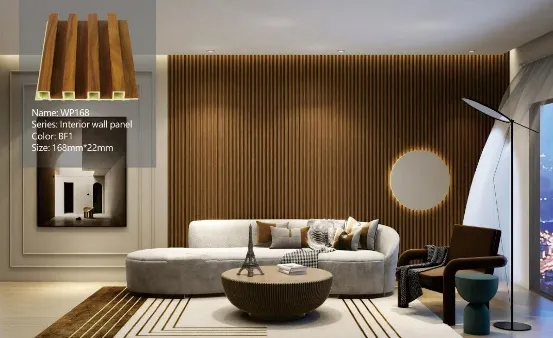
Offices are more than just workspaces—they're reflections of a company's culture. A sterile, uninspired office can dampen employee morale, while a thoughtfully designed one can boost creativity and collaboration. WPC wall panels excel here, offering versatility that adapts to diverse office styles, from minimalist startups to corporate giants.
Take open-plan offices, for example. These spaces thrive on connectivity, but they can also suffer from noise pollution. WPC panels, when paired with acoustic backing, help absorb sound, creating a quieter environment where focus is easier to maintain. In meeting rooms, they add a touch of sophistication: imagine warm wood-grain WPC panels lining the walls, complementing sleek furniture and modern tech, instantly elevating the mood for brainstorming sessions or client presentations.
Private offices and reception areas benefit, too. Reception is the first impression visitors get, and WPC panels can set a professional yet approachable tone. For instance, a finance firm might opt for dark-stained WPC panels to convey stability, while a creative agency could choose lighter, more vibrant hues to reflect energy. And because WPC is resistant to scuffs and scratches, it holds up to the daily wear and tear of busy office life—no more fretting over dents from moving furniture or accidental coffee spills.
Case in point: a tech company in Riyadh recently renovated its headquarters using WPC wall panels in their breakout zones. The panels, finished in a soft oak texture, transformed previously dull corners into inviting spaces where employees now gather for casual meetings or breaks. The HR team reported a noticeable uptick in employee satisfaction, with many citing the "warmer, more welcoming" environment as a key factor. It's a small change that made a big difference—all thanks to the right wall panel choice.
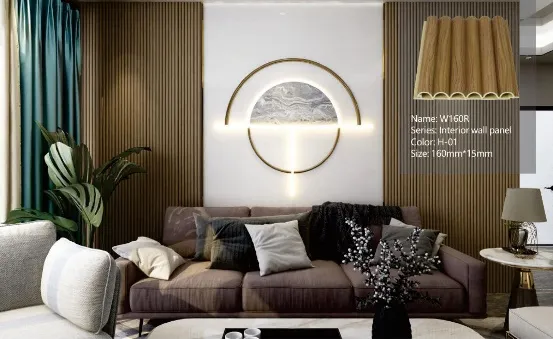
Hotels are in the business of creating experiences. From the lobby to the guest rooms, every detail should make guests feel pampered and valued. WPC wall panels shine in this context, offering durability that withstands the rigors of hospitality while adding a touch of luxury.
Guest rooms are a prime example. Here, comfort is king, but so is longevity. WPC panels in bedroom walls resist moisture—a crucial feature in bathrooms and areas prone to humidity—preventing mold and mildew growth that can mar walls and create unpleasant odors. They also stand up to the occasional bump from luggage or furniture, ensuring rooms stay looking fresh for years. Design-wise, WPC panels can mimic high-end materials like teak or walnut, giving rooms a boutique hotel vibe without the boutique price tag.
Lobbies and restaurants, too, benefit from WPC's versatility. A beachfront hotel might use light, driftwood-inspired WPC panels to evoke a coastal feel, while a city-center boutique could opt for bold, geometric patterns to make a statement. In hotel restaurants, where spills are inevitable, WPC's stain-resistant surface is a lifesaver—no more panic over red wine or sauce splatters ruining the decor. Even spa areas, with their high humidity, can rely on WPC panels to maintain their beauty without compromising on safety or hygiene.
Consider a mid-range hotel chain that recently updated its guest rooms with WPC wall panels. By choosing a neutral, wood-grain finish, they created a cozy, home-like atmosphere that guests raved about in reviews. Housekeeping staff also noted that cleaning time was reduced by nearly 20% compared to the previous wallpapered walls, allowing them to turn over rooms faster during peak seasons. For hotels, where occupancy rates directly impact revenue, this efficiency is invaluable.
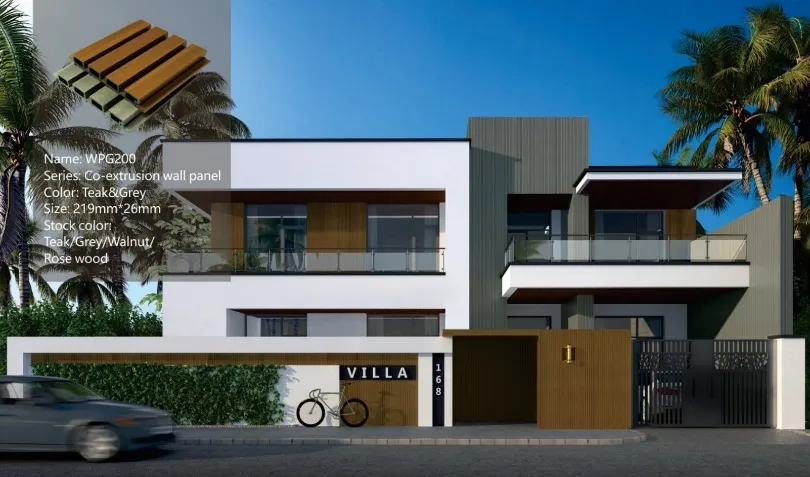
Retail spaces are theaters for brands, and the set design—including walls—can make or break the customer experience. Shoppers are drawn to stores that feel inviting and on-brand, and WPC wall panels offer the flexibility to craft unique, immersive environments that align with a retailer's identity.
Fashion retailers, for example, often use WPC panels to create backdrops that highlight clothing displays. A high-end boutique might choose smooth, matte black WPC panels to make bold apparel colors pop, while a bohemian brand could opt for textured, earth-toned panels to complement its natural aesthetic. The panels can also be customized with logos or patterns, turning walls into marketing tools that reinforce brand recognition.
In larger retail spaces, like department stores or supermarkets, durability is key. WPC panels hold up to the constant foot traffic, shopping cart bumps, and general wear that come with the territory. They're also easy to install and replace, which is a boon for retailers that frequently update their layouts to keep up with trends. Need to refresh a section for the holiday season? Swap out a few WPC panels for a festive design, then revert back just as easily once the season ends.
One electronics retailer in Dubai recently redesigned its stores using WPC wall panels in a sleek, industrial gray finish. The panels not only complemented the store's modern tech displays but also hid wiring for demo units, creating a clean, uncluttered look. Customers reported feeling more relaxed and willing to browse longer, and sales staff noted that the updated environment made it easier to showcase products. It's a testament to how the right interior decoration materials can directly impact the bottom line.
To truly appreciate WPC's value, it helps to see how it compares to other common wall panel materials. Let's break down the key factors that matter most in commercial construction:
| Material | Durability | Maintenance | Eco-Friendliness | Design Flexibility | Long-Term Cost |
|---|---|---|---|---|---|
| WPC Wall Panels | High (resists rot, warping, scratches) | Low (wipe clean; no painting/staining) | High (often uses recycled materials) | Excellent (multiple colors, textures, finishes) | Medium (higher upfront; lower upkeep) |
| Traditional Wood | Medium (prone to rot, insects, warping) | High (requires regular painting/staining) | Variable (depends on sourcing; may involve deforestation) | Good (natural grain, but limited color options) | High (high upfront + ongoing maintenance) |
| Drywall | Low (easily damaged; prone to cracks) | Medium (needs patching; repainting every 3-5 years) | Low (gypsum production is energy-intensive) | Limited (requires paint/wallpaper for design) | Low upfront, high long-term (frequent repairs) |
| PVC Panels | Medium (resists moisture but can scratch easily) | Low (wipe clean) | Low (non-biodegradable; limited recycled content) | Moderate (some colors/textures, but less natural look) | Low upfront, medium long-term (may fade over time) |
As the table shows, WPC wall panels strike a balance that's hard to beat. They offer the durability of plastic, the aesthetic appeal of wood, and the eco-friendliness that modern businesses demand. For commercial projects where both form and function matter, this combination is hard to ignore.
Not all WPC wall panels are created equal. To get the most out of this material, it's essential to partner with a reputable commercial building materials supplier that understands your project's unique needs. A good supplier will offer a range of options, from different textures and finishes to custom sizes, ensuring the panels align with your design vision. They'll also provide technical support, helping with installation tips and maintenance advice to maximize the panels' lifespan.
When selecting panels, consider the specific demands of your space. For example, a hotel bathroom will need panels with higher moisture resistance, while a retail store might prioritize color customization. Don't hesitate to ask for samples—seeing and touching the material in person can make a big difference in the decision-making process. And remember: investing in quality panels upfront will pay off in the long run, as they'll require fewer replacements and repairs over time.
In a world where commercial spaces must do more with less—impress clients, comfort guests, inspire employees, and stay within budget—WPC wall panels emerge as a clear solution. They're durable enough to handle the chaos of daily life, beautiful enough to elevate any design, and practical enough to keep costs in check. As more businesses recognize their value, it's likely we'll see WPC panels become a staple in commercial construction, alongside other innovative interior decoration materials.
Whether you're renovating an office, designing a hotel, or revamping a retail store, WPC wall panels offer a versatile, sustainable, and stylish choice. They're not just wall coverings—they're tools that help businesses create spaces that people love to be in. And in the end, isn't that what commercial construction is all about?
Recommend Products











