
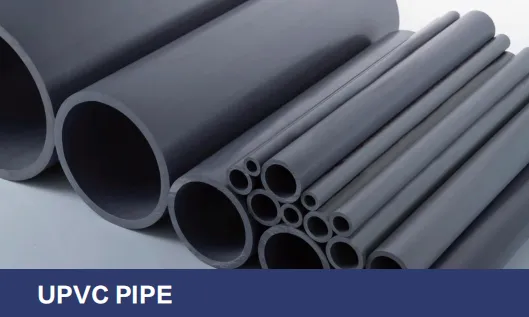
Commercial construction is a symphony of precision, deadlines, and interdependent parts. From towering office complexes and bustling shopping malls to state-of-the-art hospitals and sprawling educational campuses, every project hinges on the reliability of its building materials. Among these, pipes might not grab headlines like sleek glass facades or energy-efficient windows, but they're the unsung heroes—the silent infrastructure that keeps water flowing, waste draining, and systems running smoothly. When it comes to pipes, few materials have earned the trust of contractors and engineers like UPVC (Unplasticized Polyvinyl Chloride). But here's the truth: even the best materials fall flat if your supplier isn't up to the task. In commercial builds, where delays cost thousands and mistakes can compromise safety, finding the right UPVC pipe supplier isn't just a purchase—it's a partnership. Let's dive into why this matters, what challenges you might face, and how to spot a supplier that delivers solutions, not just products.
Before we talk suppliers, let's ground ourselves in why UPVC has become a staple in commercial construction. Unlike traditional materials like copper or galvanized steel, UPVC pipes bring a unique blend of durability, affordability, and versatility that's hard to match. Think about a busy hotel: its plumbing system handles hundreds of guests daily, from showers and sinks to laundry and kitchen facilities. Copper pipes might corrode over time with hard water; steel can rust. UPVC? It's resistant to corrosion, chemicals, and temperature fluctuations—making it ideal for both hot and cold water systems. And let's not forget weight: UPVC pipes are significantly lighter than metal alternatives, which cuts down on installation time and labor costs. When you're erecting a 20-story building, every minute saved on hauling heavy materials adds up.
Then there's drainage, waste, and vent (DWV) systems—the backbone of any commercial structure. Bathrooms, kitchens, and utility areas generate massive volumes of wastewater, and DWV pipes need to handle that flow without clogging or leaking. UPVC DWV pipes are designed with smooth interiors to reduce friction, preventing blockages, and their rigid structure ensures they can withstand the pressure of multi-story drainage. For projects like hospitals or schools, where hygiene is critical, UPVC's non-porous surface resists mold and bacteria growth—an often-overlooked but vital benefit. Simply put, UPVC pipes aren't just a cost-effective choice; they're a reliable one, and in commercial construction, reliability is everything.
If UPVC pipes are so great, why do contractors still struggle with sourcing? The problem isn't the material—it's the suppliers. Walk into any construction market, and you'll find dozens of vendors selling UPVC pipes, but not all are created equal. One common pitfall is inconsistent quality. A contractor might order a batch of 100 UPVC pipes, only to find that half are slightly warped or have thin walls that don't meet pressure ratings. In commercial projects, where every component is inspected, this means failed tests, rework, and missed deadlines. Worse, subpar pipes can lead to leaks down the line, turning a minor hiccup into a major repair expense once the building is occupied.
Delivery delays are another headache. Commercial construction runs on tight schedules: if the plumbing phase is delayed because pipes don't arrive, electricians, drywall installers, and other trades can't start their work. A supplier that promises a two-week lead time but delivers in four throws off the entire project timeline. Then there's the lack of technical support. Imagine you're installing a DWV system in a curved corridor and need custom-cut pipes or specialized fittings. A generic supplier might shrug and say, "That's not in our catalog." But a project like that needs a partner who can adapt—someone who understands the nuances of commercial builds and can provide solutions, not just excuses.
Compliance is also a minefield. Different regions have strict regulations for building materials. In Saudi Arabia, for example, commercial projects must adhere to Saudi Standards, Metrology and Quality Organization (SASO) certifications. A supplier that isn't familiar with local codes might sell you pipes that meet international standards but fail local inspections, forcing you to rip out and replace entire sections. For a contractor, that's not just a financial loss—it's a blow to their reputation.
So, how do you separate the reliable suppliers from the rest? It starts with looking beyond the price tag. The cheapest option rarely ends up being the most cost-effective in the long run. Instead, focus on these key qualities:
A great UPVC pipe supplier isn't just selling pipes—they're a one-stop shop for all your piping needs. That means offering everything from standard UPVC pressure pipes for water supply to specialized DWV pipes, along with a full range of fittings: elbows, tees, couplings, valves, and flanges. Why does this matter? Mismatched fittings (say, a generic elbow with a branded pipe) can lead to leaks, even if both are "UPVC." A supplier with an in-house fittings line ensures compatibility, reducing the risk of installation errors. Look for suppliers who also stock accessories like solvent cement, which is critical for bonding UPVC pipes—using the wrong adhesive can weaken joints, a disaster waiting to happen in a high-pressure system.
Quality isn't just a buzzword—it's verifiable. Reputable suppliers will have their products certified by third-party organizations. For UPVC pipes, look for certifications like ISO 9001 (quality management), ASTM D1785 (standard specification for UPVC pipes), or local certifications like SASO for projects in Saudi Arabia. These certifications aren't easy to obtain; they require regular testing for wall thickness, impact resistance, and pressure tolerance. A supplier who can't provide these documents is a red flag. You should also ask for batch test reports—detailed records of how each production run performed in lab tests. If a pipe fails during installation, those reports can help pinpoint whether it was a manufacturing defect or improper use, saving you from costly disputes.
Commercial projects don't wait for slow suppliers. A top UPVC pipe supplier understands this and invests in a robust supply chain. Ask about their inventory management: Do they keep stock of common pipe sizes and fittings, or do they manufacture to order? For urgent projects, a supplier with local warehouses can deliver within days, not weeks. It's also worth checking their track record with large-scale orders. Can they fulfill a request for 5,000 meters of UPVC pipe in a month? A supplier with multiple manufacturing facilities or partnerships with logistics companies is better equipped to handle bulk orders without delays. Remember, in construction, time is money—delays due to supply chain issues can cost you tens of thousands of dollars in labor and overhead.
Installing UPVC pipes might seem straightforward, but commercial projects often throw curveballs. Maybe your design requires pipes to bend around structural beams, or you need to calculate the correct pressure rating for a high-rise water system. A good supplier doesn't just hand over products—they provide expertise. Look for suppliers with in-house engineers or technical consultants who can answer questions, help with material selection, and even visit the job site to advise on installation. For example, if you're unsure whether to use standard UPVC or a thicker-walled variant for a hospital's oxygen supply line, a knowledgeable supplier can guide you to the right choice. Some suppliers even offer training sessions for your crew on best practices, like proper cement application or pipe cutting—small touches that prevent costly mistakes.
| Supplier Type | Product Range | Certifications | Delivery Lead Time | Technical Support |
|---|---|---|---|---|
| Generic Pipe Supplier | Basic UPVC pipes; limited fittings | Minimal (if any); no batch reports | 2–4 weeks (unreliable) | None; "buy and bye" model |
| Specialized UPVC Supplier | Full range: pressure pipes, DWV, fittings, accessories | ISO 9001, ASTM D1785; batch test reports available | 1–2 weeks (consistent) | Phone/email support; basic installation guides |
| Commercial Building Materials Supplier | UPVC pipes, DWV solutions, pipes fittings, and other building materials | ISO, ASTM, local certifications (e.g., SASO); third-party audits | 3–7 days (express options available) | On-site engineers, custom solutions, training for crews |
*Table compares common supplier types; actual offerings may vary by company.
Here's the thing about commercial construction: no two projects are the same. A shopping mall has different piping needs than a hospital; a school requires different specifications than a hotel. That's why the best UPVC pipe suppliers don't just sell products—they offer solutions. Let's say you're building a LEED-certified office complex, and the design calls for sustainable materials. A solution-focused supplier might recommend UPVC pipes made from recycled content, or pipes with insulation properties to reduce energy loss in hot water systems. They're not just filling an order; they're helping you meet your project's unique goals.
Technical collaboration is another hallmark of a solution partner. Imagine you're working on a historic renovation project where the existing plumbing routes are narrow and non-standard. A generic supplier would hand you standard pipe lengths, leaving you to cut and adapt them on-site (wasting material and time). A solution-focused supplier, however, might offer custom-cut pipes or flexible UPVC options that can navigate tight spaces. They might even send a technical team to survey the site and draft a material plan tailored to the project's layout. For large-scale developments, this kind of collaboration can save you from over-ordering (cutting waste) or under-ordering (avoiding last-minute rushes).
After-sales support is equally important. Even the best-laid plans hit snags. Maybe a shipment of DWV pipes arrives with a few damaged pieces, or your crew has questions about solvent cement application halfway through installation. A solution partner responds quickly—replacing damaged goods within 24 hours, sending a technician to the site, or providing video tutorials for your team. For commercial contractors, this level of support isn't just convenient; it's critical. When you're managing 50 subcontractors and a client breathing down your neck, knowing your supplier has your back reduces stress and keeps the project on track.
Let's put this into context with a real-world example (names changed for privacy). A contracting firm was hired to build a 15-story mixed-use development in Riyadh, Saudi Arabia—a project with 100+ apartments, ground-floor retail, and underground parking. The timeline was tight: 18 months from groundbreaking to completion. Initially, the contractor chose a generic UPVC pipe supplier based on cost alone. The first shipment of DWV pipes arrived three weeks late, forcing the plumbing team to idle. When the pipes finally came, a third of them had inconsistent wall thicknesses; some even cracked during pressure testing. The client threatened to penalize the contractor for delays, and rework costs were piling up.
Desperate, the contractor switched to a commercial building materials supplier that specialized in UPVC pipe solutions. The new supplier immediately conducted a site audit, identified the DWV system requirements, and expedited a shipment of certified UPVC DWV pipes and fittings within 48 hours. Their technical team visited the site to train the plumbing crew on proper installation techniques, including how to avoid common mistakes like overtightening fittings. When the client requested a last-minute change to the water supply system (increasing pressure ratings for the upper floors), the supplier adjusted the order without additional lead time, using their in-house inventory of thicker-walled UPVC pipes. The result? The plumbing phase was back on track within two weeks, the project was completed on schedule, and the contractor avoided penalties. The client was so impressed that they hired the same supplier for their next development.
This story isn't an anomaly—it's a testament to the difference a great supplier makes. In commercial construction, you're not just building structures; you're building reputations. A reliable UPVC pipe supplier doesn't just help you finish on time—they help you deliver quality, which keeps clients coming back.
Commercial construction is a high-stakes industry. Every decision, from design to material selection, impacts the project's success. When it comes to UPVC pipes—critical for water supply, drainage, and overall building functionality—choosing the right supplier isn't a task to be taken lightly. It's about more than price; it's about reliability, quality, technical expertise, and a willingness to go beyond the sale to ensure your project succeeds.
So, what should you do next? Start by auditing your current suppliers. Do they offer the product range you need, including DWV solutions and fittings? Can they provide certifications and batch reports? Do they have a track record of on-time deliveries? If not, it might be time to explore specialized commercial building materials suppliers who focus on UPVC pipe solutions. Remember, a supplier who sees themselves as a partner will invest in your success, offering not just pipes, but peace of mind.
In the end, commercial construction is about building for the future. The UPVC pipes you install today will be in service for decades, supporting businesses, communities, and daily life. Choose a supplier who understands that responsibility—and who has the products, expertise, and commitment to help you build something lasting. After all, the best projects aren't just built with materials—they're built with trust.
Recommend Products












