
In the bustling landscape of commercial construction, office buildings stand as hubs of productivity, innovation, and collaboration. Behind their sleek glass facades and open floor plans lies a complex network of systems that keep these spaces functional—from HVAC to electrical, and perhaps most critically, plumbing. Often overlooked but essential, plumbing systems act as the "circulatory system" of an office building, ensuring a steady flow of clean water, efficient drainage, and reliable climate control. At the heart of this network are valves: small but mighty components that regulate pressure, control flow, and prevent backflow. In recent years, plastic valve systems have emerged as a game-changer in commercial plumbing, offering a blend of durability, cost-effectiveness, and versatility that aligns perfectly with the unique demands of modern office buildings. This article explores how plastic valve system solutions are transforming office construction, the challenges they address, and why partnering with the right plastic valve system supplier and pipes fittings supplier is key to long-term success.
Before diving into their applications, it's important to clarify what plastic valve systems entail. Unlike traditional metal valves (made from iron, copper, or brass), plastic valves are crafted from high-performance polymers such as polyvinyl chloride (PVC), chlorinated polyvinyl chloride (CPVC), polypropylene random copolymer (PPR), and cross-linked polyethylene (PEX). These materials are chosen for their resilience, chemical resistance, and ability to withstand the rigors of commercial plumbing environments.
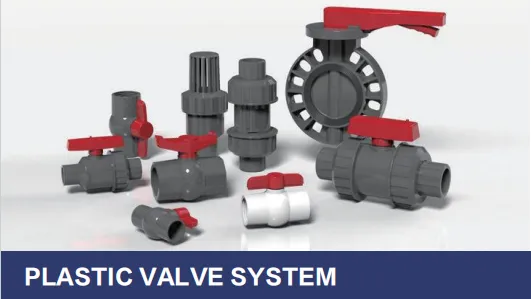
Plastic valves come in various types, each designed for specific functions: ball valves for quick on/off control, gate valves for precise flow adjustment, check valves to prevent backflow, and butterfly valves for large-scale flow management. Together, these valves form a cohesive system that works in tandem with pipes, fittings, and pumps to maintain the balance of water and other fluids throughout a building. For office buildings, where consistency and reliability are non-negotiable, the right plastic valve system isn't just a component—it's a critical investment in operational efficiency.
Office buildings present a set of plumbing challenges distinct from other commercial spaces like hospitals or industrial facilities. To understand why plastic valve systems are so well-suited here, let's break down these demands:
A typical mid-rise office building can house hundreds, if not thousands, of occupants daily. From morning rush hours in restrooms to afternoon coffee breaks in break rooms, water usage spikes and drops unpredictably. This variability puts immense strain on plumbing systems, requiring valves that can handle sudden changes in pressure without leaking or failing.
Office buildings are subject to stringent local and national codes, particularly regarding potable water safety and fire prevention. Valves must be lead-free, corrosion-resistant, and capable of maintaining water quality. Additionally, in the event of a fire, valves controlling sprinkler systems must activate reliably—failure here isn't just an inconvenience; it's a safety hazard.
Unlike industrial facilities that may have scheduled downtime, offices operate on tight schedules. A plumbing issue—whether a leak, a burst pipe, or a stuck valve—can disrupt work, inconvenience tenants, and even lead to lost revenue. As such, maintenance needs to be minimal, and repairs must be quick and non-invasive.
Modern office developers and owners are increasingly focused on sustainability, aiming to reduce water waste, energy consumption, and carbon footprints. At the same time, construction budgets are tight, with stakeholders seeking solutions that lower upfront costs without compromising long-term performance. Plastic valve systems address both these needs, offering eco-friendly materials and cost savings across the lifecycle.
Plastic valve systems aren't just a trend—they're a response to the unique challenges of office building plumbing. Let's explore how they deliver value in key areas:
One of the biggest drawbacks of traditional metal valves is their susceptibility to corrosion. In areas with hard water or high mineral content, metal valves can rust, scale, or degrade over time—leading to leaks, reduced flow, and eventual failure. Plastic valves, by contrast, are inherently resistant to corrosion and chemical attack. Materials like CPVC and PPR stand up to aggressive water conditions, ensuring a lifespan of 20–30 years or more with minimal degradation. For office buildings, this translates to fewer replacements, lower maintenance costs, and peace of mind that the plumbing system will last as long as the building itself.
Plastic valve systems offer significant cost advantages over metal alternatives. First, the materials themselves are often cheaper: PVC and CPVC are less expensive to produce than copper or brass. Second, installation is faster and more labor-efficient. Plastic valves are lightweight, easy to cut, and require no specialized tools (unlike metal valves, which may need welding or threading). This reduces labor hours, a major cost driver in construction. Third, their low-maintenance nature means fewer repairs over time. A study by the Plastic Pipe Institute found that plastic plumbing systems can reduce lifecycle costs by up to 30% compared to metal systems—an attractive proposition for office developers working within budget constraints.
Office plumbing systems are rarely one-size-fits-all. They may include potable water lines, HVAC condensate drains, irrigation systems, and even specialized lines for coffee machines or water coolers. Plastic valve systems excel here because they're compatible with a wide range of piping materials, from PVC and CPVC to PEX and PPR. This flexibility allows contractors to design integrated systems where valves, pipes, and fittings work seamlessly together—a key advantage when partnering with a pipes fittings supplier that offers comprehensive solutions. For example, a plastic ball valve designed for PEX piping can easily connect to a CPVC main line, eliminating the need for adapters or custom components.
In an office setting, where occupants drink from faucets and wash hands in restrooms, water quality is paramount. Traditional metal valves, particularly older brass models, can leach lead into drinking water—a serious health risk. Plastic valves, however, are inherently lead-free and meet strict standards like the U.S. Safe Drinking Water Act (SDWA) and the European union's REACH regulations. Additionally, their smooth inner surfaces resist bacterial growth, ensuring that water remains clean as it flows through the system. For building owners, this isn't just compliance—it's a commitment to tenant health.
Plastic valve systems aren't limited to a single function; they play a role in nearly every aspect of office plumbing. Let's explore their most critical applications:
From restroom sinks to break room faucets, office buildings rely on a steady supply of clean, pressurized water. Plastic ball valves and gate valves are commonly used here to control flow to individual fixtures. For example, a CPVC ball valve under a kitchen sink allows maintenance teams to shut off water to that fixture without disrupting the entire floor's supply. Similarly, check valves prevent backflow, ensuring that contaminated water from sinks or drains doesn't re-enter the potable supply—a must for compliance with health codes.
Modern offices depend on HVAC systems to maintain comfortable temperatures year-round. These systems use water or glycol to transfer heat, requiring valves to regulate flow between boilers, chillers, and air handlers. Plastic valves, particularly those made from PPR or PEX, are ideal here due to their resistance to temperature fluctuations (CPVC, for instance, can handle hot water up to 180°F). Butterfly valves, with their quick-acting design, are often used to adjust flow rates in HVAC loops, ensuring consistent heating or cooling across floors.
Office buildings generate significant wastewater from restrooms, kitchens, and janitorial sinks. Drainage systems require valves that can handle solids, debris, and varying flow rates without clogging. Plastic gate valves and check valves are commonly used in drain lines to prevent backflow and control the release of wastewater into municipal sewers. Their corrosion resistance is especially valuable here, as wastewater can be acidic or contain chemicals from cleaning products.
While fire sprinkler systems are often associated with metal pipes, plastic valves are gaining traction in this area, too. CPVC valves, for example, are approved for use in light-hazard occupancies like offices, where fire risks are lower than in industrial settings. These valves are lightweight, easy to install, and resistant to corrosion—critical for ensuring sprinklers activate when needed. In combination with CPVC pipes, they form a cost-effective fire suppression solution that meets NFPA standards.
To better understand why plastic valve systems are becoming the go-to choice for office buildings, let's compare them to traditional metal valves across key metrics:
| Feature | Traditional Metal Valves (Brass/Iron) | Plastic Valve Systems (PVC/CPVC/PPR) |
|---|---|---|
| Durability | Prone to corrosion, rust, and scaling; lifespan of 10–15 years in harsh water conditions. | Corrosion-resistant; lifespan of 20–30+ years with minimal degradation. |
| Installation Time | Heavy and rigid; require threading, welding, or soldering (2–3x longer installation). | Lightweight and flexible; can be cut, glued, or crimped (50% faster installation on average). |
| Cost (Material + Labor) | Higher upfront costs (metal is expensive); higher labor costs due to specialized tools. | 30–40% lower material costs; lower labor costs due to simpler installation. |
| Maintenance Needs | Frequent maintenance (rust removal, gasket replacements); prone to leaks over time. | Minimal maintenance; smooth surfaces resist buildup; fewer leaks and replacements. |
| Water Safety | Older brass valves may contain lead; risk of contamination if corroded. | Lead-free; smooth inner surfaces prevent bacterial growth; compliant with SDWA and REACH. |
| Sustainability | Heavy (high transportation emissions); difficult to recycle; energy-intensive production. | Lightweight (lower transportation emissions); recyclable materials; energy-efficient manufacturing. |
While the benefits of plastic valve systems are clear, their performance ultimately depends on partnering with the right supplier. A reputable plastic valve system supplier doesn't just sell products—they offer end-to-end solutions that align with your project's goals. Here's what to look for:
The best suppliers offer a full suite of valves, pipes, and fittings, ensuring compatibility across your entire plumbing system. Look for a partner that carries everything from ball valves and check valves to specialized options like pressure-reducing valves or thermostatic mixing valves. This eliminates the need to source components from multiple vendors, streamlining the supply chain and reducing the risk of compatibility issues.
In commercial construction, compliance isn't optional. Your supplier should provide valves that meet industry standards, such as ASTM (for PVC/CPVC), ISO (for PPR), and NSF/ANSI 61 (for potable water safety). Certifications from third-party organizations like the Plastic Pipe Institute (PPI) or the International Association of Plumbing and Mechanical Officials (IAPMO) are also a good sign—they indicate rigorous testing and quality control.
Even the best products can underperform if installed incorrectly. A reliable supplier will offer technical support, from system design to on-site troubleshooting. This might include CAD drawings, installation guides, or access to engineers who can help select the right valve for your specific application (e.g., a high-pressure valve for HVAC vs. a low-profile valve for tight spaces under sinks).
If your office building has green goals (e.g., LEED certification), choose a supplier with strong sustainability credentials. This could include using recycled materials in manufacturing, reducing carbon emissions in production, or offering recyclable packaging. Some suppliers even provide environmental product declarations (EPDs) that document a product's lifecycle impact—valuable for LEED points.
Construction schedules are tight, and delays can be costly. A good supplier will have robust inventory management, ensuring products are in stock when you need them. Look for partners with regional distribution centers, fast shipping options, and the ability to handle bulk orders—critical for large office projects with tight deadlines.
To illustrate the real-world impact of plastic valve systems, consider the case of a 20-story office tower in downtown Chicago. Built in the 1980s, the building's original plumbing system relied on brass valves and iron pipes, which had begun to corrode after decades of use. Tenants complained of low water pressure, frequent leaks, and occasional discolored water—issues that were costing the property manager $20,000+ annually in repairs and tenant credits.
In 2023, the building underwent a plumbing retrofit, with the goal of reducing maintenance costs and improving water quality. The contractor, in partnership with a local plastic valve system supplier and pipes fittings supplier, replaced all brass valves with CPVC and PPR plastic valves, paired with compatible pipes and fittings. The new system included ball valves for fixture isolation, check valves for backflow prevention, and butterfly valves for HVAC flow control.
The results were striking: Within six months, leak calls dropped by 90%, and water pressure stabilized across all floors. Tenant satisfaction scores improved, and the property manager projected a full return on investment within 3 years, thanks to reduced repair costs and lower water bills (due to fewer leaks). Perhaps most notably, the retrofit was completed with minimal disruption to tenants—installers worked after hours, and the lightweight plastic components made for faster, quieter installation compared to metal.
As office buildings evolve to meet changing needs—from hybrid work models to net-zero energy goals—plastic valve systems are poised to keep pace. Here are a few trends to watch:
The rise of smart buildings is driving demand for valves with IoT capabilities. Imagine a plastic valve embedded with sensors that monitor pressure, flow, and temperature in real time, sending alerts to facility managers via a mobile app. These "smart valves" can predict failures before they happen, optimize water usage, and even adjust flow rates automatically (e.g., reducing pressure during off-hours to save energy). While still emerging, this technology could revolutionize office plumbing maintenance.
Sustainability will continue to shape the industry, with suppliers exploring bio-based plastics (made from renewable resources like corn or sugarcane) and recycled plastics. These materials offer the same performance as traditional plastics but with a lower carbon footprint—appealing for office buildings aiming for carbon neutrality.
To speed up construction timelines, more contractors are turning to prefabricated plumbing modules—assembled off-site and dropped into place. Plastic valve systems are ideal for this trend due to their lightweight and easy assembly. Suppliers may soon offer pre-built "kits" for common office applications (e.g., a restroom plumbing module with valves, pipes, and fixtures pre-connected), reducing on-site labor and errors.
In the fast-paced world of commercial construction, office buildings demand plumbing systems that are reliable, cost-effective, and adaptable. Plastic valve systems deliver on all three fronts, offering durability, versatility, and sustainability that traditional metal valves simply can't match. From controlling water flow in restrooms to regulating HVAC systems and ensuring fire safety, these unassuming components play a vital role in keeping offices functional and occupants comfortable.
Of course, the success of any plumbing project hinges on choosing the right partners. By selecting a trusted plastic valve system supplier and pipes fittings supplier—one that prioritizes quality, compliance, and technical support—you can ensure your office building's plumbing system is built to last. As technology advances and sustainability becomes even more critical, plastic valve systems will only grow in importance, cementing their place as a cornerstone of modern commercial construction.
In the end, it's clear: when it comes to office building plumbing, plastic valve system solutions aren't just a choice—they're the future.
Recommend Products












