
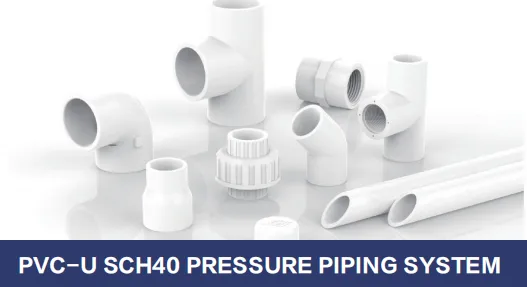
High-rise commercial buildings are more than just architectural marvels—they're bustling hubs of activity where businesses thrive, people connect, and daily operations rely on countless systems working in harmony. Among these, the piping system is often called the "circulatory system" of the building, responsible for everything from delivering clean water to removing waste, distributing heating and cooling, and even supporting fire safety measures. Yet, despite its critical role, the piping system is rarely seen or celebrated—until something goes wrong. Leaks, pressure drops, corrosion, or system failures can bring a busy commercial building to a grinding halt, disrupting workflows, inconveniencing occupants, and costing thousands in repairs. That's why choosing the right piping system and the right supplier isn't just a purchase decision—it's an investment in the building's longevity, safety, and efficiency.
In the world of high-rise construction, where space is limited, pressure demands are high, and durability is non-negotiable, one piping solution has emerged as a trusted workhorse: the PVC-U SCH40 pressure piping system. And behind every successful installation of this system is a reliable PVC-U SCH40 pressure piping system supplier—one that doesn't just sell pipes and fittings, but partners with builders, architects, and engineers to deliver tailored solutions that meet the unique challenges of tall commercial structures. In this article, we'll explore why PVC-U SCH40 has become a go-to choice for high-rises, what sets a top-tier supplier apart, and how partnering with the right team can transform your building's piping from a potential liability into a long-term asset.
Designing a piping system for a high-rise commercial building is no small feat. Unlike low-rise structures, where water pressure is relatively consistent and installation space is abundant, high-rises present a unique set of challenges that demand specialized solutions. Let's break down the key hurdles:
Vertical Pressure Demands: In a 30-story building, water must travel hundreds of feet upward from the main supply line to the top floors. This creates immense pressure on the piping system, especially at lower levels. A system with insufficient pressure rating can crack, leak, or fail entirely under this strain, leading to costly water damage and service disruptions.
Space Constraints: High-rise buildings are designed to maximize usable space, which means mechanical rooms, ceiling cavities, and wall chases for piping are often tight. Heavy, rigid piping materials can be difficult to maneuver in these confined spaces, increasing installation time and labor costs. Lightweight, flexible options are essential to keep projects on schedule.
Durability and Longevity: A commercial building is expected to stand for decades, and its piping system should too. Corrosion, chemical degradation, and wear from constant water flow can weaken pipes over time, leading to premature failure. This is especially true in areas with aggressive water chemistry or where pipes are exposed to harsh environmental conditions (e.g., humidity in HVAC systems or chemicals in industrial settings).
Safety Compliance: Commercial buildings are subject to strict building codes, particularly when it comes to fire safety and health standards. Piping materials must meet fire resistance ratings, be non-toxic (to avoid contaminating drinking water), and resist bacterial growth (critical for hospitals, schools, and food service facilities). Cutting corners on compliance can result in failed inspections, fines, or even legal liability.
These challenges make it clear: not every piping system is suited for high-rise commercial use. This is where PVC-U SCH40 pressure piping systems shine—and where a knowledgeable PVC-U SCH40 pressure piping system supplier becomes invaluable.
PVC-U (Unplasticized Polyvinyl Chloride) SCH40 is a type of rigid plastic piping designed specifically for high-pressure applications. The "SCH40" designation refers to its schedule, or wall thickness, which determines its pressure-bearing capacity. Unlike standard PVC pipes, which are often used for low-pressure drainage, SCH40 pipes have thicker walls, making them capable of withstanding the high water pressure demands of tall buildings. But what exactly makes PVC-U SCH40 the preferred choice for commercial high-rises?
At the heart of PVC-U SCH40's appeal is its impressive pressure rating. Depending on the pipe diameter, SCH40 PVC-U can handle working pressures ranging from 140 psi (for 12-inch pipes) to over 450 psi (for ½-inch pipes)—more than enough to meet the vertical pressure demands of even the tallest commercial buildings. This high pressure tolerance ensures that water reaches the top floors with consistent flow, while lower-level pipes remain intact under the weight of the water column above.
Unlike metal pipes (such as galvanized steel or copper), PVC-U SCH40 is inherently resistant to corrosion, rust, and chemical degradation. It doesn't react with acids, alkalis, or most minerals found in water, making it ideal for both potable water systems and industrial applications where water may contain mild chemicals. This resistance translates to a longer service life—often 50 years or more—reducing the need for costly replacements down the line.
PVC-U SCH40 pipes are significantly lighter than metal alternatives, which simplifies transportation, handling, and installation—especially in tight high-rise spaces. Unlike steel pipes, which require welding or threading, PVC-U SCH40 uses solvent cement or mechanical fittings for quick, secure connections. This not only speeds up installation time (saving on labor costs) but also reduces the risk of human error during assembly, ensuring leak-proof joints.
While some high-pressure piping materials (like stainless steel) offer excellent durability, they come with a steep price tag. PVC-U SCH40 strikes the perfect balance between performance and cost, offering comparable pressure resistance and longevity at a fraction of the cost. Additionally, its low maintenance requirements (no painting, coating, or corrosion monitoring) further reduce long-term expenses, making it a budget-friendly choice for commercial projects.
PVC-U SCH40 is rigorously tested to meet global safety and performance standards, including ASTM D1785 (the standard specification for PVC pipe, SCH40, SCH80, and SCH120) and ISO 1452-2. It is non-toxic, lead-free, and meets NSF/ANSI 61 standards for use in potable water systems, ensuring that water remains safe for human consumption. For commercial buildings like hospitals and schools—where health and safety are paramount—this compliance is non-negotiable.
To truly appreciate the value of PVC-U SCH40, it helps to compare it with other common piping systems used in commercial construction. Below is a breakdown of how it stacks up against UPVC, PPR, and galvanized steel—three alternatives you might encounter when planning your project.
| Piping System | Pressure Rating (Typical) | Corrosion Resistance | Installation Ease | Cost (Per Foot) | Ideal Applications |
|---|---|---|---|---|---|
| PVC-U SCH40 | 140–450 psi | Excellent (resists rust, chemicals) | High (lightweight, solvent cement joints) | $1–$3 | High-rise water supply, drainage, HVAC |
| UPVC (Standard) | 60–100 psi | Excellent | High | $0.50–$2 | Low-pressure drainage, irrigation |
| PPR (Polypropylene Random Copolymer) | 100–200 psi (at 73°F) | Good (resists chemicals, but not as durable as PVC-U) | Medium (requires heat fusion tools) | $2–$5 | Hot water systems, residential plumbing |
| Galvanized Steel | 150–300 psi | Poor (prone to rust, especially in hard water) | Low (heavy, requires welding/threading) | $3–$8 | Industrial high-pressure systems (declining use) |
As the table shows, PVC-U SCH40 outperforms UPVC in pressure rating, matches or exceeds PPR in durability, and offers significant cost savings over steel—all while maintaining ease of installation. For high-rise commercial buildings, where pressure, durability, and cost are top priorities, this combination is hard to beat.
Choosing the right piping system is only half the battle. The other half is partnering with a supplier who understands the unique needs of high-rise commercial projects and can deliver more than just products—they deliver solutions. A top-tier PVC-U SCH40 pressure piping system supplier acts as an extension of your team, offering expertise, support, and peace of mind from design to installation and beyond. Here's what to look for:
A great supplier doesn't just sell PVC-U SCH40 pipes—they understand the science behind the material, its performance limits, and how it interacts with other building systems. They should be able to answer technical questions, provide engineering data (like pressure charts and installation guides), and even assist with system design to ensure your piping meets the building's specific pressure and flow requirements. For example, if your project includes a mix of water supply and HVAC systems, a knowledgeable supplier can recommend the right pipe diameters, fittings, and jointing methods to optimize performance.
Not all PVC-U SCH40 pipes are created equal. Inferior products may use recycled or low-grade resin, leading to inconsistent wall thickness, weak joints, or premature failure. A reliable supplier prioritizes quality, sourcing pipes and fittings from manufacturers with rigorous quality control processes and third-party certifications (like ISO 9001). They should be able to provide test reports, material safety data sheets (MSDS), and compliance certificates (such as NSF/ANSI 61 for potable water) to back up their claims.
Piping systems require more than just pipes—they need fittings, valves, adapters, and accessories to connect everything seamlessly. Working with a supplier that offers a full range of compatible products (including pipes fittings supplier options) eliminates the hassle of coordinating with multiple vendors. It also ensures that all components are designed to work together, reducing the risk of leaks or compatibility issues. Look for suppliers who stock elbows, tees, reducers, valves, and even specialized fittings for high-pressure applications.
Every high-rise is unique, and off-the-shelf solutions don't always cut it. A top supplier should offer customization options, such as custom pipe lengths, special fittings, or color-coded systems for easy identification (e.g., red for hot water, blue for cold). For example, if your project requires piping to navigate around structural beams in a tight mechanical room, a supplier that can provide pre-cut, pre-fabricated sections can save your team hours of on-site work.
High-rise construction projects run on tight schedules, and delays in material delivery can derail timelines. A dependable supplier maintains adequate inventory to meet demand and offers flexible delivery options, including just-in-time (JIT) shipping to keep your site stocked without excess storage. They should also have a track record of on-time deliveries, even during peak construction seasons.
The relationship with your supplier shouldn't end when the last pipe is delivered. A trusted partner stands behind their products with a solid warranty (often 10–20 years for PVC-U SCH40 systems) and responsive after-sales support. If issues arise during installation—like a damaged fitting or a question about jointing—they should be available to troubleshoot and resolve problems quickly, minimizing downtime.
While PVC-U SCH40 is a standout choice for high-pressure water supply systems, many commercial projects require a mix of piping materials to meet different needs. For example, a building might use UPVC pipes for drainage, PPR pipes for hot water, and PVC-U SCH40 for cold water supply. A truly versatile supplier—one that can act as a one-stop architectural solution provider—will offer a range of complementary products, including:
UPVC Pipe Supplier: For low-pressure drainage, venting, or irrigation systems, UPVC pipes are a cost-effective, corrosion-resistant option. A supplier that also offers UPVC ensures consistency in quality and support across all your plastic piping needs.
PPR Pipe and Fitting Supplier: PPR (Polypropylene Random Copolymer) pipes are ideal for hot water systems, thanks to their heat resistance and flexibility. A supplier with PPR expertise can help you design a system that handles high temperatures without compromising durability.
Pipes Fittings Supplier: From simple elbows to complex manifolds, a full range of fittings ensures that every section of your piping system connects smoothly. Look for a supplier that stocks fittings for all the materials you're using, including PVC-U, UPVC, and PPR.
By offering multiple solutions under one roof, such a supplier simplifies your supply chain, reduces coordination costs, and ensures that all your piping systems work together seamlessly.
To illustrate the impact of a reliable PVC-U SCH40 pressure piping system supplier, let's look at a real-world example: the construction of a 42-story mixed-use commercial building in downtown Riyadh, Saudi Arabia. The project included offices, retail spaces, and a luxury hotel, requiring a piping system that could handle high water pressure, resist the region's hard water chemistry, and be installed quickly to meet tight deadlines.
The project team initially considered galvanized steel for the water supply system but quickly realized the drawbacks: heavy weight, high installation costs, and concerns about corrosion in Saudi Arabia's arid, mineral-rich water. After consulting with a local PVC-U SCH40 pressure piping system supplier, they switched to PVC-U SCH40 for the cold water supply and UPVC for drainage. The results were striking:
This success story isn't unique. From hospitals and schools to shopping malls and office towers, PVC-U SCH40 has proven itself as a reliable, cost-effective solution for high-rise commercial buildings—especially when paired with a supplier that prioritizes quality, expertise, and support.
In the fast-paced world of commercial construction, every decision matters. When it comes to your building's piping system, cutting corners on quality or choosing an inexperienced supplier can lead to headaches, delays, and costly repairs down the line. PVC-U SCH40 pressure piping systems offer the perfect blend of performance, durability, and affordability for high-rise structures—but their success depends on partnering with the right supplier.
Look for a supplier with deep technical expertise, a commitment to quality, and a track record of supporting complex commercial projects. One that offers not just PVC-U SCH40, but a full range of complementary products (like UPVC, PPR, and pipes fittings) to meet all your piping needs. A supplier that sees itself as your partner, not just a vendor—one that's invested in your project's success from design to completion.
After all, the best piping system in the world is only as good as the supplier behind it. So take the time to research, ask questions, and demand proof of quality and support. Your building, your budget, and your peace of mind will thank you.
Recommend Products












