
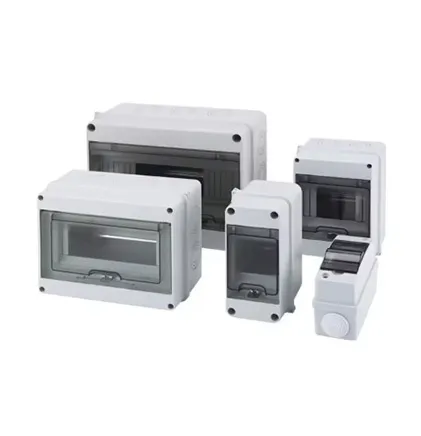
Ever walked into an office building and felt the lights flicker? Or been in a store when the power suddenly cut out? That sinking feeling isn't just about interrupted workflow - it's often a distribution box crying out for attention. Like the hidden veins of a building, these unsung heroes silently manage your power cables and electrical flow.
Choosing the right distribution box isn't about ticking compliance boxes. It's about avoiding that 2 AM panic call when your security system goes dark. Ask any facility manager what keeps them up at night, and near the top is the phrase "electrical failures." Getting this decision right saves not just money, but prevents those nerve-wracking moments when half your building goes dark during crucial operations.
Think of these as the quarterback of your electrical system. The MDB takes power from the utility company and distributes it to sub-boards throughout your facility. When you're selecting an MDB:
These workhorses route power to specific zones - like that entire wing of offices or your retail display area. Key selection criteria:
The endpoint protectors for individual circuits - your photocopier, server rack, or HVAC unit. Don't overlook:
Forget guesswork - measure three critical phases:
A coffee shop owner learned this the hard way when adding a patio. Their "sufficient" box tripped daily once outdoor heaters kicked in simultaneously with indoor equipment. Always map worst-case scenarios!
Where your box lives impacts what it needs:
The right location avoids 3 common pitfalls: overheating (never near heat sources), water exposure (install 12+ inches off floors), and accessibility nightmares (maintenance corridors not storage closets).
Always verify:
Designing for accessibility saves countless hours. Consider:
One hospital's smart decision: Magnetic door switches that alert maintenance when enclosures remain open. No more security risks from forgotten access panels!
Cutting initial costs often leads to 3× expenses later. But smart savings exist:
A hotel chain saved $42,000/year by adopting modular panels they could expand floor-by-floor instead of whole-building replacements. Paying 15% more upfront created 80% long-term savings.
The energy landscape is changing faster than most buildings keep up with:
A corporate campus ignored this until their new EV charging station required tearing out walls. The $35,000 charger install came with a $110,000 electrical rebuild bill.
Recommend Products












