
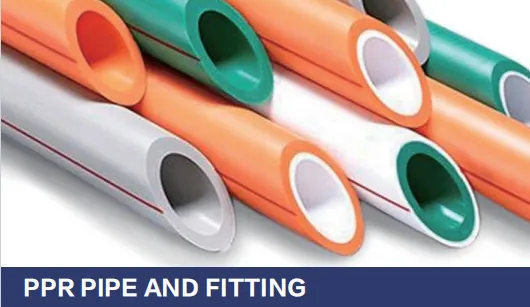
In the world of commercial construction, every decision—from the foundation to the finishing touches—shapes the functionality, safety, and long-term success of a building. Among the countless materials that go into these projects, plumbing systems often fly under the radar, yet they're the unsung heroes that keep everything running smoothly. Whether it's delivering clean water to a hotel's guest rooms, ensuring consistent heating in an office lobby, or maintaining hygiene in a hospital's operating rooms, the right plumbing materials can make or break a commercial space. That's where PPR pipe and fitting solutions come into play—and why partnering with a trusted commercial building materials supplier matters more than you might think.
Let's start with the basics. PPR, or Polypropylene Random Copolymer, is a type of plastic pipe designed specifically for hot and cold water distribution systems. Unlike traditional materials like copper or galvanized steel, PPR pipes are made from a flexible yet durable polymer that combines strength with versatility. They're paired with matching fittings—elbows, tees, couplings, and valves—that are engineered to create leak-proof, long-lasting connections. Think of them as the backbone of a building's plumbing network: quiet, reliable, and built to handle the demands of busy commercial spaces.
But PPR isn't just another pipe. What sets it apart is its "random copolymer" structure, which gives it enhanced resistance to heat, pressure, and chemical corrosion compared to standard polypropylene. This makes it ideal for environments where water temperature fluctuates (like a restaurant kitchen) or where hygiene is non-negotiable (like a school cafeteria). And because it's lightweight and easy to install, it's become a go-to choice for contractors and project managers looking to balance quality with efficiency.
So, why should a commercial builder or facility manager choose PPR over other plumbing options? Let's break down the advantages that make it a standout choice in the industry.
Commercial buildings aren't just structures—they're investments. Owners and operators need materials that can keep up with decades of use, not just a few years. PPR pipes deliver on this front with a lifespan of 50+ years when properly installed and maintained. Unlike copper, which can corrode over time, or galvanized steel, which is prone to rust and scaling, PPR is resistant to chemical reactions, mineral buildup, and even UV radiation. Imagine a hotel that's been welcoming guests for 30 years—its original PPR plumbing system is still delivering hot water to rooms without a single leak. That's the kind of reliability that saves money on repairs and avoids the headaches of unexpected downtime.
Let's talk numbers. Copper pipes have long been a staple in plumbing, but they come with a steep price tag—both in materials and installation. PPR, on the other hand, is significantly more affordable upfront. But the savings don't stop there. Because PPR pipes are lightweight (about 70% lighter than copper), they're easier to transport and handle, cutting down on labor costs. Installation is simpler too: instead of soldering or threading, PPR uses heat fusion, a process where pipes and fittings are melted together to form a seamless bond. This not only speeds up installation (saving days on a tight project timeline) but also eliminates the need for expensive tools or specialized labor. Over the life of a building, these savings add up—making PPR a smart financial choice for budget-conscious commercial projects.
In commercial settings like hospitals, schools, or restaurants, water quality is non-negotiable. Contaminants, bacteria, or scaling in pipes can pose serious health risks, not to mention damage a business's reputation. PPR pipes address this with their smooth inner surface, which prevents the buildup of limescale, rust, or bacteria. Unlike metal pipes, which can develop micro-cracks over time (creating breeding grounds for germs), PPR's non-porous material keeps water clean and pure from the source to the tap. This is why many sanitary fixtures/bathrooms supplier partners recommend PPR systems for healthcare facilities and educational institutions—where hygiene isn't just a priority, it's a legal requirement.
Commercial buildings put plumbing systems through the wringer. A hotel might have hundreds of guests showering at once, pushing hot water demand to its limits. A factory could require high-pressure water lines for industrial equipment. PPR pipes are up to the task, withstanding temperatures from -10°C to 95°C (and even higher for short periods) and pressures up to 25 bar. This versatility makes them suitable for everything from basic cold water lines to radiant heating systems and industrial process piping. Unlike UPVC pipes, which can become brittle in extreme heat, or PEX pipes, which may degrade under prolonged high pressure, PPR strikes a balance that works for nearly every commercial application.
Sustainability is no longer a "nice-to-have" in commercial construction—it's a requirement. From LEED certifications to client demands for green building practices, today's projects need materials that minimize environmental impact. PPR checks this box in several ways. First, it's 100% recyclable, meaning old pipes can be repurposed into new products instead of ending up in landfills. Second, its heat fusion installation method eliminates the need for solvents or adhesives, which can release harmful VOCs into the air. Third, PPR's smooth inner surface reduces water flow resistance, lowering the energy needed to pump water through the system. For businesses aiming to reduce their carbon footprint, this is a win-win: a plumbing system that's good for the planet and good for the bottom line.
To truly appreciate PPR's value, it helps to see how it stacks up against other common plumbing materials. Let's take a closer look:
| Feature | PPR Pipes | UPVC Pipes | Copper Pipes | PEX Pipes |
|---|---|---|---|---|
| Lifespan | 50+ years | 25-30 years | 40-50 years (prone to corrosion) | 40-50 years |
| Installation Cost | Low (heat fusion, no special tools) | Low (solvent cement) | High (soldering required) | Medium (crimping tools needed) |
| Heat Resistance | Excellent (up to 95°C) | Poor (becomes brittle above 60°C) | Excellent (high heat tolerance) | Good (up to 82°C) |
| Hygiene | High (smooth, non-porous surface) | Medium (prone to scaling over time) | Medium (corrosion can affect water quality) | High (similar to PPR) |
| Sustainability | High (100% recyclable, low VOCs) | Medium (recyclable but rigid) | High (recyclable but energy-intensive to produce) | Medium (recyclable but limited reuse options) |
As the table shows, PPR holds its own—and often outperforms—other materials in key areas like lifespan, installation cost, and heat resistance. While copper might still be preferred in some high-end residential projects, PPR's combination of durability, affordability, and ease of use makes it a standout for commercial buildings where efficiency and reliability are top priorities. Even compared to UPVC pipe supplier options, PPR's ability to handle hot water and resist corrosion gives it a clear edge in dynamic commercial environments.
PPR isn't a one-size-fits-all solution—but it comes pretty close. Let's explore how it's used in some of the most common commercial spaces:
In busy offices, plumbing systems need to be quiet, low-maintenance, and efficient. PPR pipes deliver on all three. They reduce water hammer (that loud banging noise from pipes) thanks to their flexibility, and their leak-proof joints mean fewer disruptions from repairs. Plus, their lightweight design makes them easy to install in tight spaces like ceiling cavities or behind walls—perfect for retrofitting older office buildings or finishing new construction on schedule.
Hospitals can't afford plumbing failures. A single leak could compromise patient care, and contaminated water could lead to infections. PPR's smooth, bacteria-resistant surface and heat tolerance make it ideal for medical facilities, where it's used in everything from patient room sinks to operating room sterilization systems. Many healthcare projects now specify PPR pipes as part of their infection control protocols, and for good reason: they're one less thing for hospital administrators to worry about.
Guest satisfaction is king in the hotel industry, and nothing ruins a stay faster than a cold shower or a leaky faucet. PPR pipes ensure consistent water pressure and temperature across every room, even during peak hours. They're also resistant to the chemicals found in cleaning products, which is a big plus for housekeeping teams. And because they're easy to repair (if needed), hotels can minimize downtime—keeping guests happy and rooms occupied.
Schools have unique plumbing needs: high traffic, strict safety standards, and tight budgets. PPR pipes check all these boxes. Their durability means they can withstand rough use (think students slamming lockers near pipe runs), and their non-toxic material ensures compliance with child safety regulations. Plus, their low maintenance costs free up school budgets for other priorities—like new textbooks or classroom technology.
Okay, so PPR pipes sound great—but here's the catch: not all PPR systems are created equal. The quality of the material, the precision of the fittings, and the expertise of the supplier can drastically affect performance. That's why partnering with a reputable ppr pipe and fitting supplier is just as important as choosing PPR itself.
A good supplier doesn't just sell pipes—they offer ppr pipe and fitting solutions tailored to your project. They'll help you select the right pipe diameter for your water flow needs, recommend fittings that work with your existing systems, and even provide technical support during installation. They'll also stand behind their products with warranties, so you're covered if something goes wrong. On the flip side, a low-quality supplier might cut corners with cheap materials, leading to leaks, premature failures, or compliance issues down the line.
So, what should you look for in a supplier? Start with certifications: Look for products that meet international standards like ISO 9001 (quality management) and DIN 8077/8078 (PPR pipe specifications). Ask about their manufacturing process—do they use virgin PPR resin, or recycled materials that might compromise strength? And don't forget to check references: Talk to other contractors or project managers who've used their products. A supplier with a track record of success in commercial projects is worth their weight in gold.
At the end of the day, commercial buildings are more than just bricks and mortar—they're spaces where businesses thrive, communities gather, and lives unfold. The materials we choose to build them with shape how well they serve these purposes, both today and tomorrow. PPR pipe and fitting systems offer a rare combination of durability, efficiency, and sustainability that makes them a smart investment for any commercial project. And when paired with a trusted commercial building materials supplier , they become more than just pipes—they become a foundation for success.
So, the next time you're planning a commercial build or renovation, don't overlook the plumbing. Take a closer look at PPR, talk to a supplier who understands your needs, and see how this unassuming material can transform the way your building operates. After all, in the world of commercial construction, the best projects are built on the best materials—and PPR just might be the best kept secret in plumbing.
Recommend Products












