
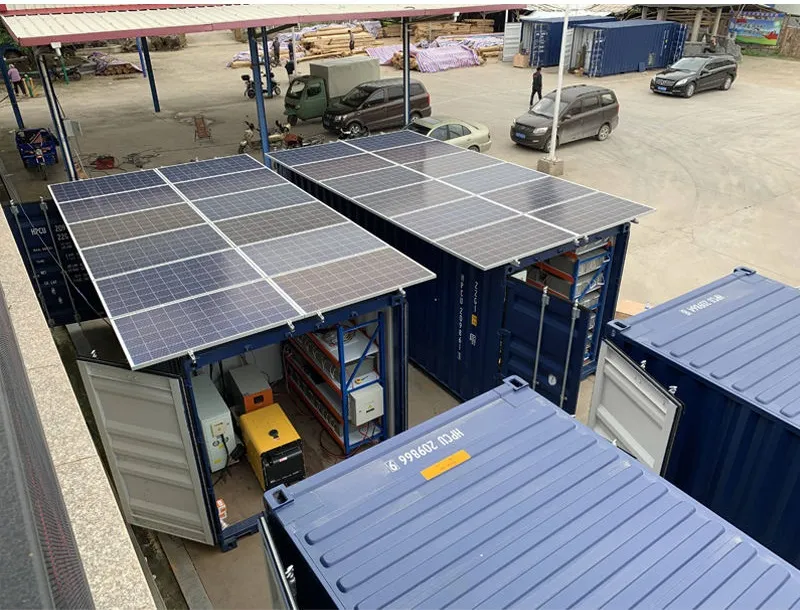
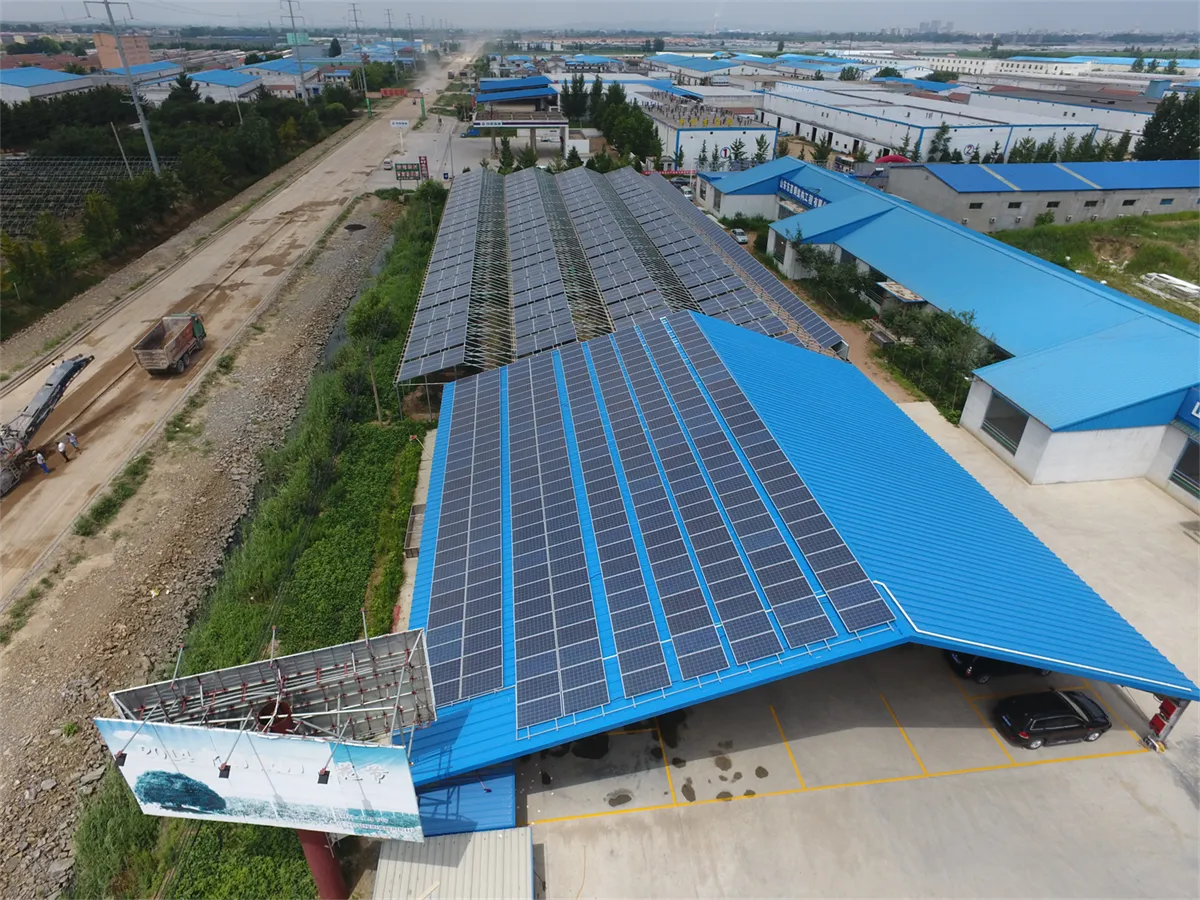
Picture this: a sprawling warehouse roof baking under the midday sun. For decades, this was wasted real estate—just another surface radiating heat while costing thousands in cooling bills. But today, that same industrial roof is silently generating revenue, transforming a cost center into a profit generator. Across America, commercial and industrial enterprises are discovering that high-efficiency solar panels aren't just environmental gestures; they're smart economics.
"For factories and warehouses, rooftop space is an untapped goldmine," says energy consultant Rebecca Moore. "The shift isn't happening because CEOs suddenly became environmentalists; it's happening because the ROI math finally makes sense."
In the face of rising electricity prices and pressure for sustainable operations, businesses are finding innovative solutions right above their heads. High-efficiency photovoltaic systems are revolutionizing how factories, distribution centers, and commercial buildings manage energy costs. Unlike earlier generations, today's panels deliver performance that creates genuine financial transformation.
Manufacturing plants don't just consume energy; they devour it. A single auto assembly plant can use as much electricity as a small town—enough to power 20,000 homes. But it's not just manufacturers:
Distribution Centers
of operational costs attributed to energy
Food Processing
average energy bills in mid-sized facilities
Office Buildings
year-over-year increase in cooling costs since 2020
For decades, companies treated electricity as an unavoidable expense—like property taxes. But solar changes this equation dramatically by locking in predictable costs while eliminating grid dependency during peak rate hours.
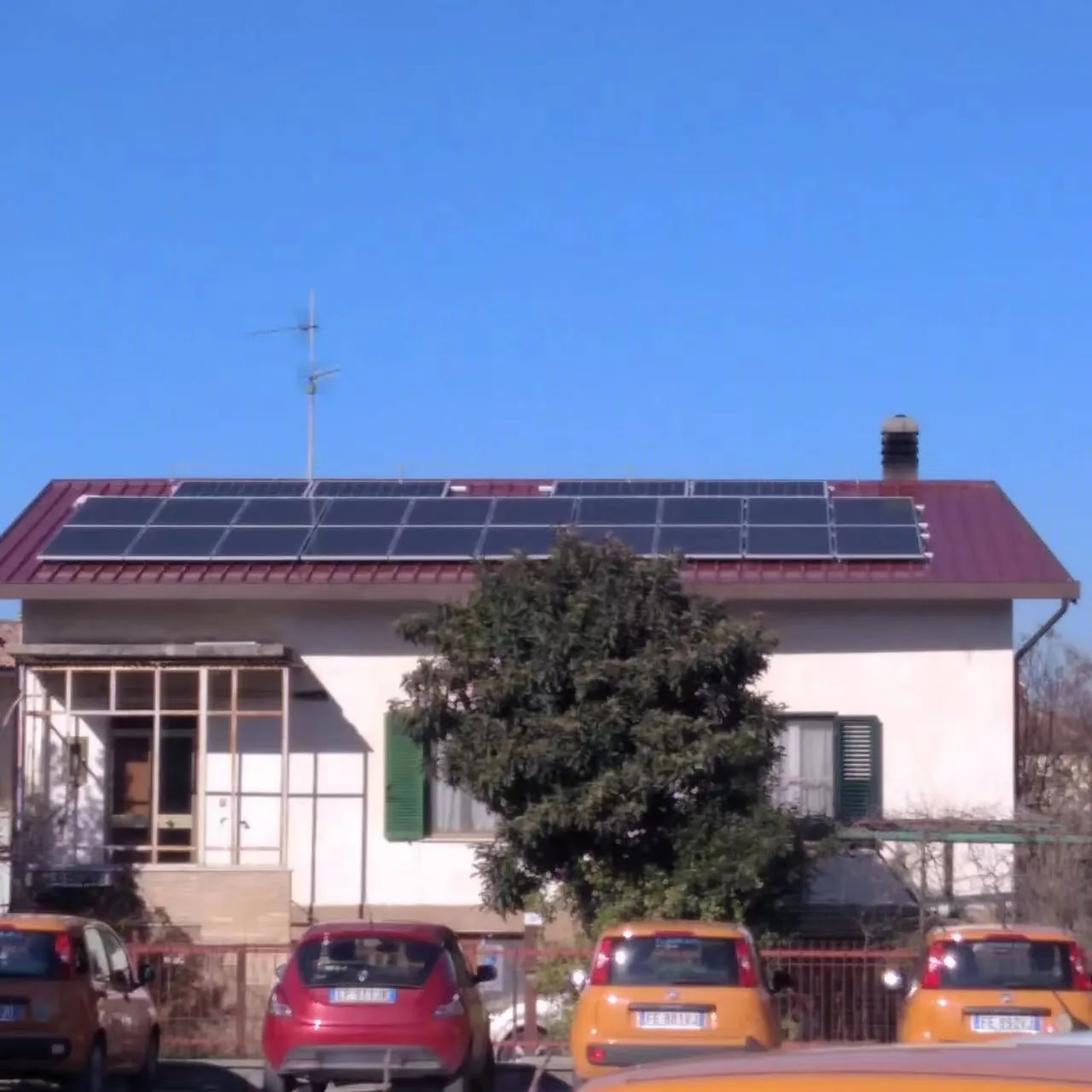
Today's panels aren't your father's clunky solar tiles. Advancements in materials science and manufacturing have produced breakthroughs:
The leap in efficiency means less roof space is needed for serious production. Whereas older systems required 40,000 sq ft to generate 500 kW, modern configurations achieve this in just 25,000 sq ft—critical for facilities with HVAC equipment occupying rooftop real estate.
Here's what CFOs actually care about: cash flow. A solar installation operates on three economic tiers:
Immediate reduction in grid consumption—typically 40-90% of daytime usage. This is pure cost avoidance.
Net metering programs pay for excess energy fed back into the grid. In sunbelt states, this creates seven-figure annual credits.
Panels act as insulating barriers, reducing rooftop heat absorption by 30+°F. This cuts cooling costs while extending roof membrane lifespan.
Different sectors experience the solar advantage uniquely:
Refrigeration constitutes 70%+ of energy use. Solar offsets compressor loads during pricey peak hours. Minnesota freezer operation cut $18k/month from bills while qualifying for USDA renewable grants.
Paint shops are energy monsters requiring massive ventilation. Michigan plant used solar to power scrubber fans during summer rate hikes, avoiding $42k demand charges.
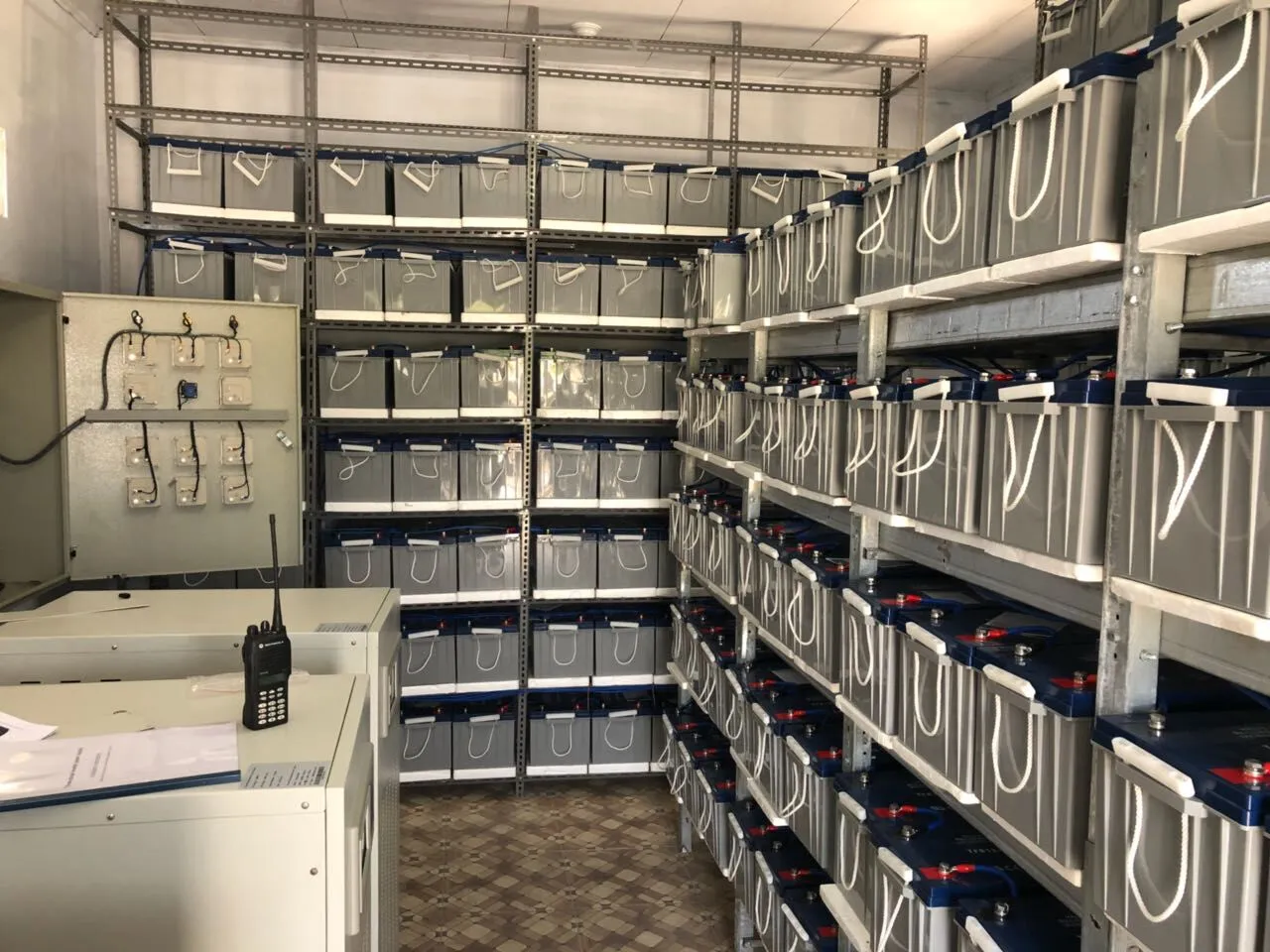
Pairing solar with battery storage creates resilience against outages while satisfying ESG investors. Nevada tech firm slashed $2.1M annually through innovative commercial and industrial solar energy configurations.
Many enterprises dismiss solar due to perceived costs, unaware of powerful incentives:
Financial engineering matters too. Through Power Purchase Agreements (PPAs), third parties install systems at zero upfront cost while selling power below utility rates. This makes solar cash-flow-positive from day one.
Practical installation involves three phases:
Structural analysis ensures safety while infrared scanning detects moisture damage. Must precede any installation.
Smart design balances energy needs against roof constraints and shading factors. Oversizing can be wasteful.
Seamless interconnection demands utility coordination and specialized switchgear installations.
Maintenance is surprisingly minimal—bimonthly cleaning plus bi-annual electrical checks. Most systems include remote monitoring to flag efficiency drops from bird droppings or pollen buildup. With these simple protocols, panels routinely last 30+ years while maintaining >90% output.
Emerging technologies will deepen solar's disruption:
"We're witnessing the demise of the 'dumb roof' era," says MIT researcher Dr. Amina Chaudhry. "Commercial rooftops are becoming intelligent power stations that actively manage energy flows while financing their own upgrades."
For businesses wrestling with volatile energy costs, high-efficiency solar offers something rare: certainty. By transforming unused rooftops into predictable revenue streams, companies gain budget stability while joining the sustainability revolution. As technologies advance and financing options expand, the business case grows increasingly undeniable. Perhaps it's time to look up—that solution you've been seeking might be right overhead.
Recommend Products












