Running a commercial building—whether it's a bustling hotel in Riyadh, a sprawling office complex in Jeddah, or a busy shopping mall in Dubai—means juggling countless expenses. From staff salaries to maintenance, every dollar counts. But there's one cost that often feels impossible to control: energy bills. Lights, AC, elevators, kitchen appliances—they all add up, eating into your bottom line month after month. What if you could flip the script? What if your building's roof or facade could become a revenue generator instead of a money pit? That's exactly what commercial 1000 watt solar panels promise—and at Coloria, we're not just selling panels. We're delivering a complete shift in how businesses power their success.
Why 1000 Watt Solar Panels Are a Game-Changer for Commercial Spaces
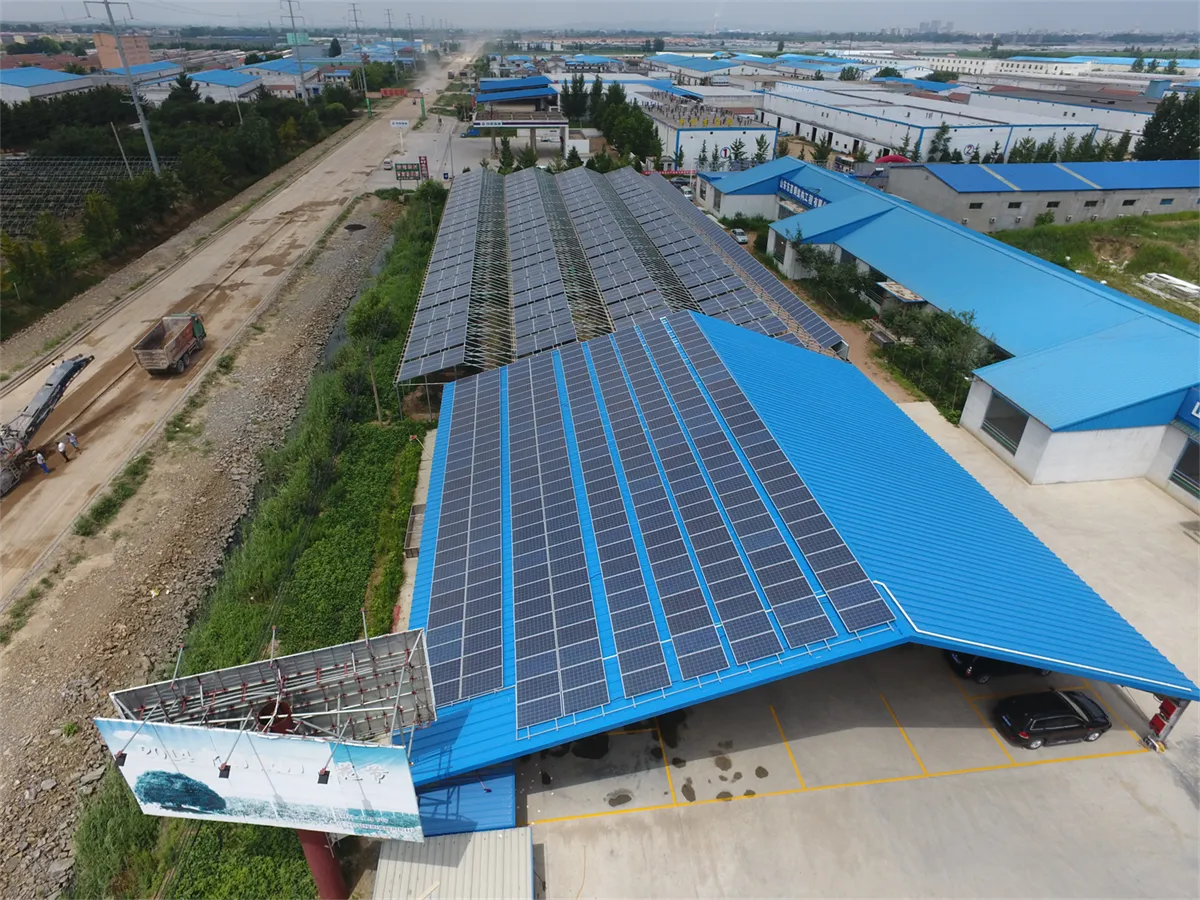
Let's start with the basics: not all solar panels are created equal. For commercial buildings, where energy demands are high and roof space is often limited, efficiency and power output matter more than ever. A standard residential solar panel might top out at 300-400 watts, but commercial projects need something bigger, stronger, and more reliable. Enter the 1000 watt solar panel—a workhorse designed to maximize energy production in tight spaces, making it perfect for hotels, office towers, retail centers, and industrial facilities.
Think about it: A single 1000 watt panel produces roughly 4-5 kWh per day (depending on sunlight). For a mid-sized hotel with 50 rooms, installing 100 of these panels could generate 400-500 kWh daily—enough to power lighting, HVAC systems, and even kitchen appliances. Over a year, that's 146,000-182,500 kWh saved. At an average commercial electricity rate of $0.15/kWh, that's $21,900-$27,375 back in your pocket annually. And that's just the beginning.
But the benefits go beyond cost savings. These panels are built to withstand the harsh conditions of commercial use—high temperatures, heavy rainfall, and even sandstorms (a critical feature for businesses in the Middle East). With a lifespan of 25+ years and minimal maintenance needs, they're a long-term investment that keeps paying off. Plus, they align with global sustainability goals, helping your business reduce its carbon footprint and meet increasingly strict environmental regulations.