
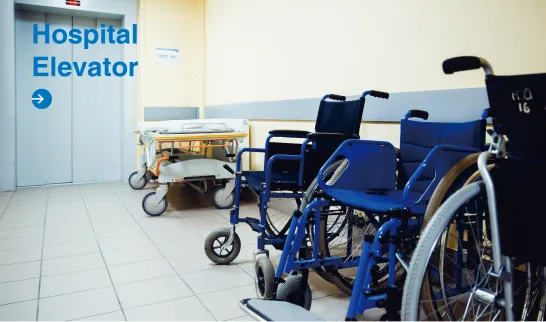
Imagine it's 3 AM in a bustling city hospital. A trauma team rushes toward the elevators with a critical patient on a stretcher. That elevator isn't just a metal box - it's a lifeline connecting emergency rooms to operating theaters, ICUs to recovery wards. This is where specialized hospital elevators make all the difference between chaos and coordinated care.
Hospital elevators aren't just people-movers. They're the circulatory system of healthcare buildings, transporting not just doctors and visitors, but delicate medical equipment, life-saving medications, and patients in their most vulnerable moments. Forget those generic office building lifts - these are precision instruments designed specifically for medical environments.
Consider the statistics: In major U.S. hospitals alone, elevators complete over 40 billion trips annually . That's about 1,270 trips every single second of every day. When seconds count during an emergency, these vertical corridors become more crucial than horizontal hallways.
Ever tried maneuvering a hospital bed into a regular elevator? It's like playing Tetris with lives at stake. Hospital elevators feature intelligently designed cabins (typically 1400×2400mm to 1800×2700mm) with wider doors to accommodate stretchers, wheelchairs, and medical teams working around patients during transport. These spacious interiors help prevent accidental bumps to IV poles or monitoring equipment.
The gentle hum of a hospital elevator matters more than you'd think. Advanced gearless traction systems operate with library-like quietness (under 45 dB), maintaining a healing environment. This quietness isn't just about comfort - it prevents interference with sensitive medical devices and reduces stress for disoriented patients being moved between floors.
Perfect alignment with each floor level is non-negotiable. When transferring patients between beds and stretchers, even a slight bump can cause pain or injury. Advanced control systems feature millimeter-precise leveling technology and smooth acceleration profiles to eliminate jolts and bumps during transport.
Hospital elevators feature special non-porous materials that withstand repeated aggressive cleanings - think stainless steel panels and antimicrobial coatings on buttons and handrails. Easy-to-clean surfaces help maintain the sanitary environment that's critical in infection control protocols.
Recommend Products












