
Building Sustainable Futures, One Project at a Time
Walk through the streets of Riyadh, Dubai, or Doha today, and you'll see cranes piercing the sky, new skylines emerging, and a relentless drive to build smarter, greener, and more efficiently. The Middle East is in the midst of an unprecedented construction surge—fueled by visionary projects like Saudi Arabia's 2030 Vision, which aims to transform the nation into a global hub for innovation and sustainability. But behind every groundbreaking skyscraper, every eco-friendly residential complex, and every state-of-the-art hospital lies a critical challenge: finding a building materials partner that can keep up with ambition.
Contractors and developers here face unique hurdles. Extreme temperatures demand durable materials that can withstand 50°C summers. Sustainability goals require products aligned with global "net-zero" targets. Tight project timelines leave no room for supply chain delays. And with projects ranging from luxury hotels to industrial facilities, the need for diverse, high-quality materials is non-negotiable. This is where Coloria steps in—not just as a supplier, but as a strategic partner built for the demands of modern Middle Eastern construction.
At its core, Coloria is the answer to a fragmented industry. For decades, construction teams have juggled multiple suppliers—one for solar panels, another for wall materials, a third for kitchen appliances—wasting time, inflating costs, and risking quality inconsistencies. Coloria changes that by offering a one-stop architectural solution that covers every phase of a project, from initial design to final delivery.
With a global footprint and deep roots in the Middle East (including a dedicated agency in Saudi Arabia), Coloria brings together 14 product categories under one roof. Whether you're building a residential tower in Jeddah, a commercial mall in Kuwait, or a hospital in Bahrain, we've got your material needs covered. But what truly sets us apart isn't just the breadth of our product line—it's our commitment to understanding the unique rhythm of Middle Eastern construction.
Fun fact: Coloria's Saudi team includes local engineers and procurement specialists with an average of 15+ years of experience in the region. They don't just know building materials—they know the nuances of Saudi building codes, local supplier networks, and the cultural values that drive successful partnerships here.
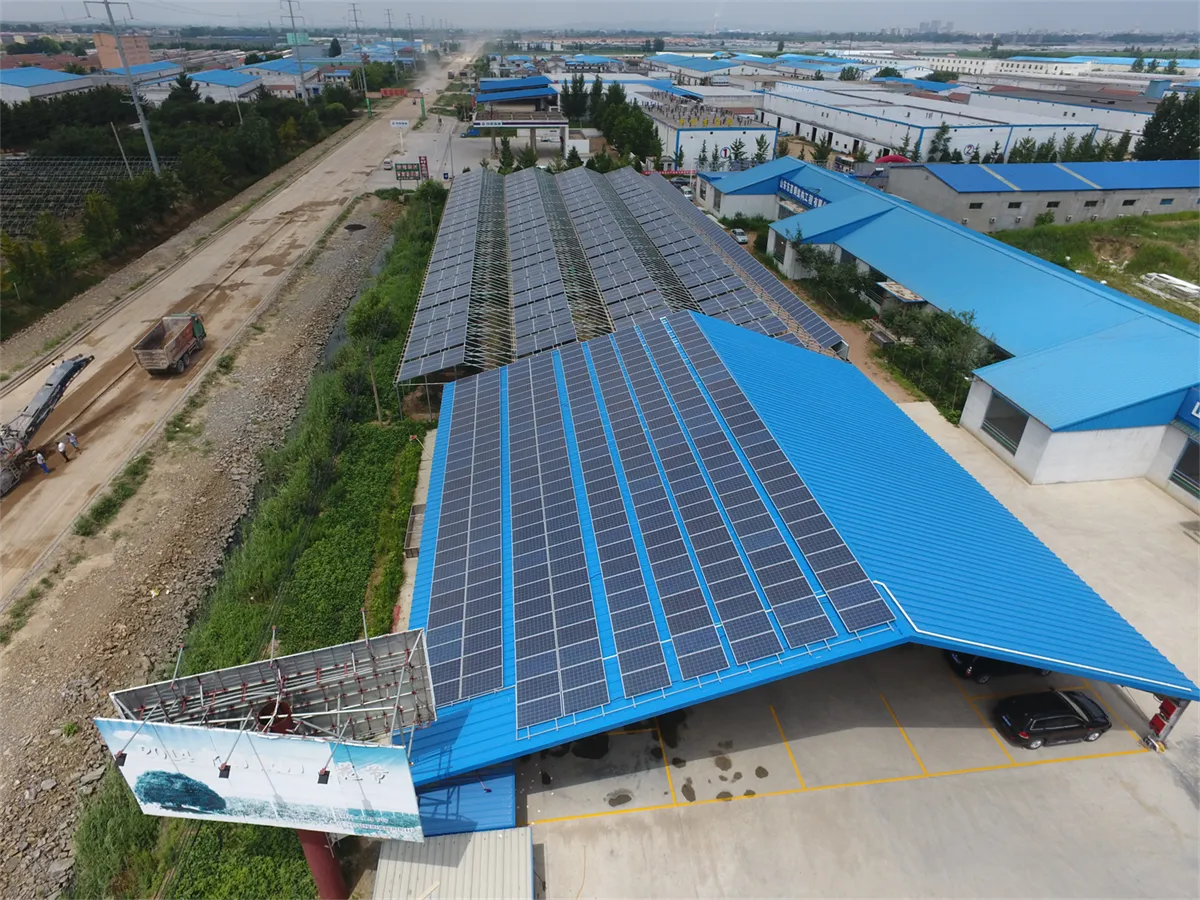
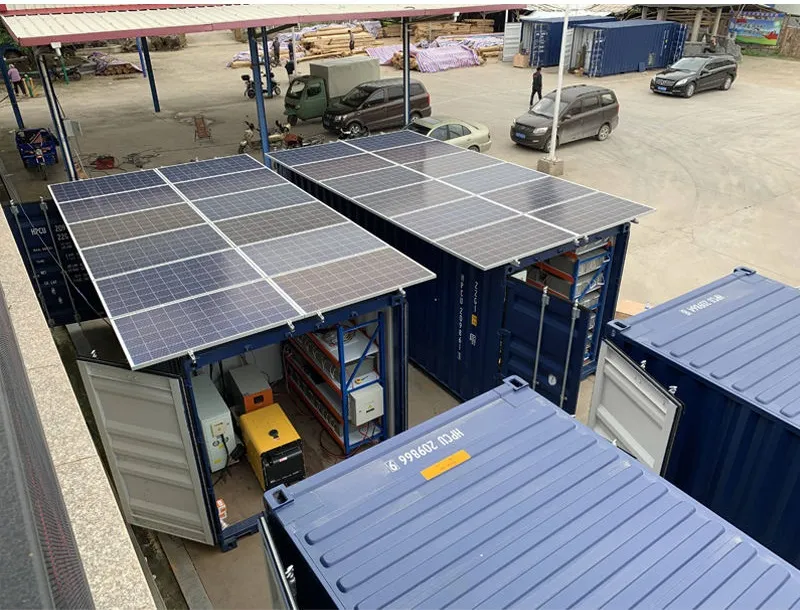
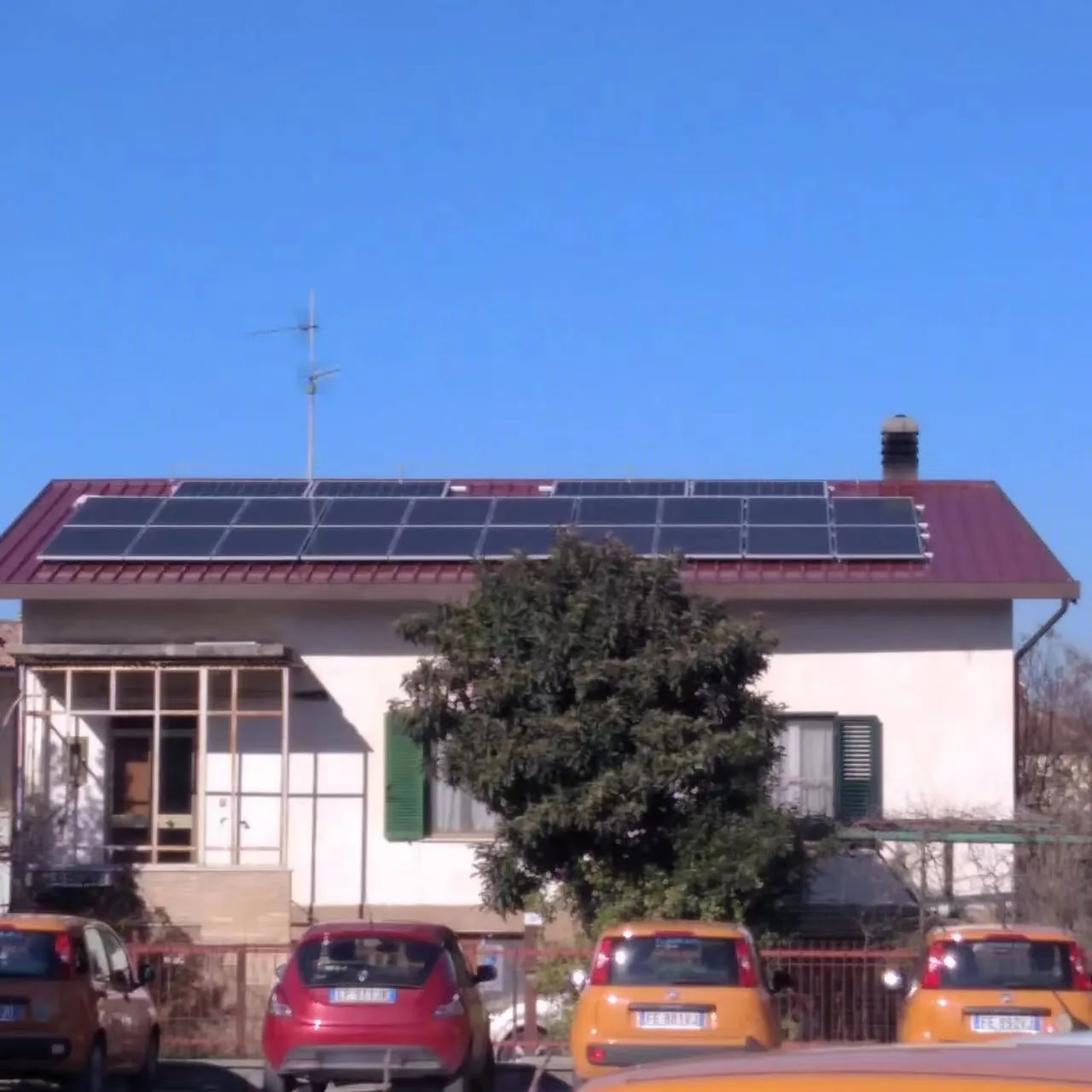
When it comes to sustainable construction in the Middle East, solar energy isn't just a trend—it's a necessity. With over 300 days of sunlight annually, the region is uniquely positioned to lead in renewable energy adoption. Coloria's industrial solar panels are engineered to maximize this potential, turning harsh desert sun into reliable, cost-effective power for both residential and commercial projects.
Not all solar panels are built for the Middle East's extreme conditions. Standard panels often degrade quickly under intense heat, dust, and humidity, leading to reduced efficiency and frequent replacements. Coloria's industrial-grade solar solutions are different. Here's how:
Take, for example, a recent project in Riyadh's King Abdullah Economic City: a 40-story commercial complex aiming for LEED Platinum certification. The developer needed a solar solution that could offset 30% of the building's energy consumption. Coloria supplied 1,200 high-efficiency panels, installed on the rooftop and facade, that now generate over 600,000 kWh annually—saving the building over $80,000 in utility costs each year while reducing its carbon footprint by 450 tons.
Or consider a residential community in Dammam, where Coloria partnered with a local developer to integrate solar panels into 200 townhouses. Today, each home produces enough energy to power its appliances and lighting, making the community not just more affordable for residents, but also a model for sustainable urban living in Saudi Arabia.
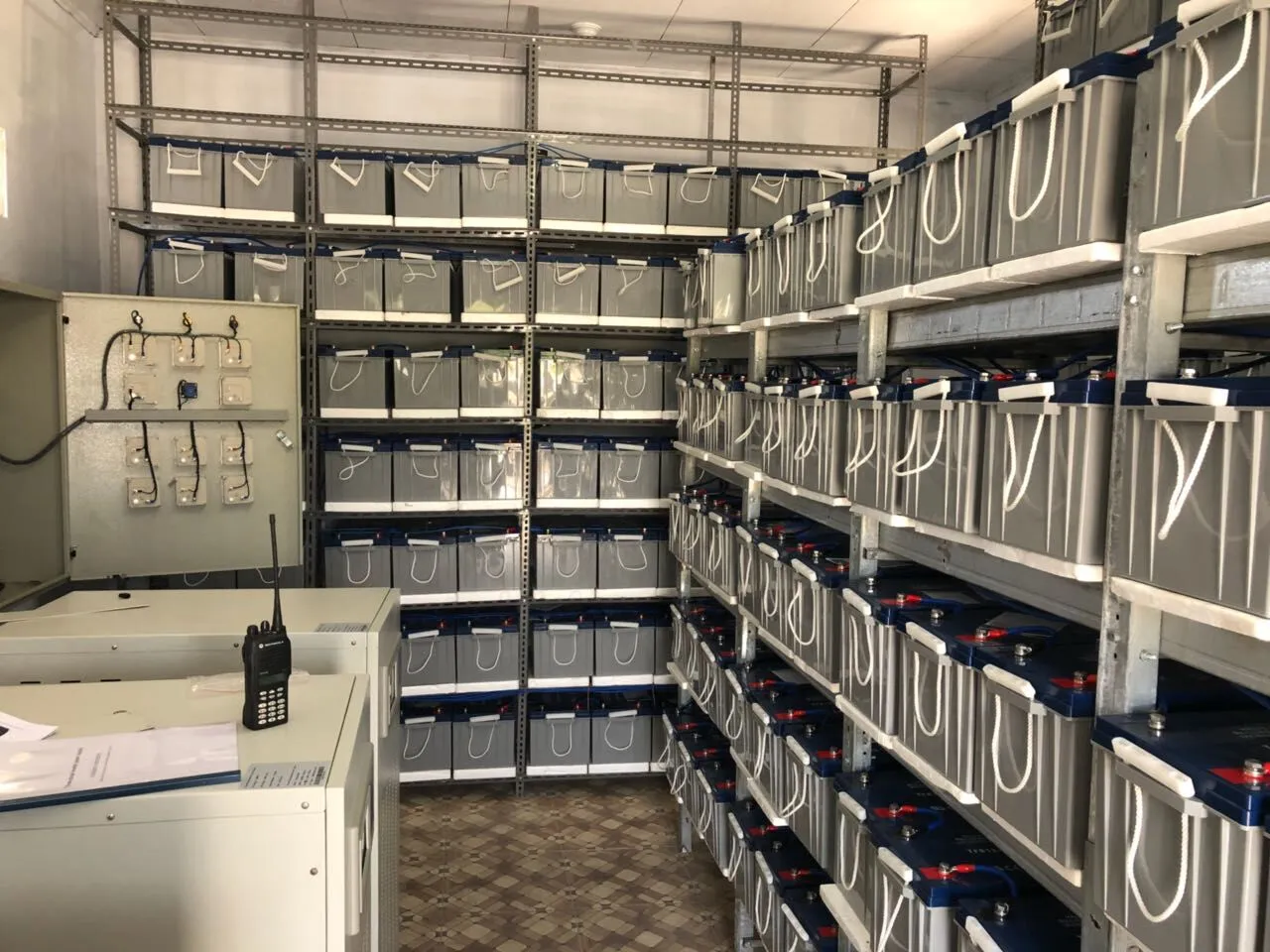
Solar panels are just the start of Coloria's commitment to green building. As the Middle East races to meet global "double carbon" targets, we've expanded our sustainable product line to include materials that reduce environmental impact without compromising on durability or aesthetics.
Our sustainable offerings are designed with the region's challenges in mind—from fire safety in high-rises to moisture resistance in coastal areas like Jeddah. Here are a few standouts:
Traditional stone cladding is heavy, expensive, and hard to install on tall buildings. Coloria's MCM (Modified Composite Material) panels offer a lightweight alternative that mimics the look of natural stone but weighs 70% less. Perfect for architectural facades, these panels are fire-resistant, UV-stable, and easy to maintain—ideal for the Middle East's climate. A recent hotel project in Dubai used our MCM panels to create a stunning marble-like exterior that stays cool to the touch, reducing the building's air conditioning load by 15%.
Hospitals, schools, and government buildings in the Middle East face strict fire safety regulations. Coloria's Class A fireproof CPL boards are engineered to withstand temperatures up to 1,200°C, making them a top choice for high-risk areas. Unlike traditional gypsum boards, they're also moisture-resistant—critical for spaces like hospital bathrooms or school kitchens. A new medical center in Riyadh specified these boards for 80% of its interior walls, ensuring compliance with Saudi Civil Defense requirements while reducing long-term maintenance costs.
For projects prioritizing indoor air quality (like luxury hotels or residential apartments), our bamboo charcoal boards are a game-changer. Made from sustainable bamboo fibers infused with activated charcoal, these panels naturally absorb moisture, odors, and harmful VOCs (volatile organic compounds). A high-end apartment complex in Kuwait City used these panels in all living spaces, resulting in a 30% reduction in indoor air pollutants—a selling point that helped lease units 20% faster than comparable buildings.
In a market flooded with suppliers, what makes Coloria the go-to partner for projects across the Middle East? It boils down to four core strengths that address the region's most pressing construction challenges:
Imagine managing a hotel construction project. You need solar panels for the roof, wall materials for guest rooms, kitchen appliances for restaurants, and elevator systems for accessibility. With traditional suppliers, that means coordinating with 8-10 different companies, each with its own lead times, payment terms, and quality standards. With Coloria, it's one phone call, one contract, and one dedicated account manager overseeing everything.
Our whole-house customization capabilities extend beyond residential projects—we tailor solutions for commercial spaces too. Need custom kitchen cabinets for a hotel? We'll design them. Looking for energy-efficient lighting that matches your facade? We've got 20+ options. This level of integration doesn't just save time; it ensures consistency across your project, from the lobby to the rooftop.
Saudi Arabia's 2030 Vision isn't just a government initiative—it's a roadmap for the future of construction in the kingdom. Coloria is proud to align with its goals, particularly in two key areas: localization and sustainability .
Our Saudi agency employs over 50 local professionals, from engineers to logistics specialists, supporting the vision's push for increased employment. We also prioritize partnerships with Saudi manufacturers for select materials, reducing import dependencies and boosting the local economy. For developers, this means compliance with "Saudization" requirements and a partner who understands the intricacies of local regulations.
Coloria sources materials from top global manufacturers, ensuring that our products meet international standards (think ISO certifications, LEED compliance, and CE markings). But we don't stop there. Our local warehouses in Jeddah and Riyadh stock high-demand items, meaning you can get critical materials like solar panels or fireproof boards in as little as 48 hours—no more waiting weeks for overseas shipments.
And if something goes wrong? Our after-sales team is based in Saudi Arabia, not halfway around the world. We offer 24/7 technical support, on-site inspections, and rapid replacement services, because we know that in construction, downtime equals lost revenue.
To illustrate just how much time and money Coloria saves, let's compare traditional procurement with our one-stop approach for a mid-sized commercial project (20,000 sqm):
| Metric | Traditional Multi-Supplier Approach | Coloria One-Stop Solution |
|---|---|---|
| Number of Supplier Contracts | 12-15 separate agreements | 1 integrated contract |
| Procurement Lead Time | 12-16 weeks | 6-8 weeks (50% faster) |
| Total Procurement Cost | Higher due to supplier markups and logistics fees | 15-20% lower through bulk pricing and consolidated shipping |
| Quality Control Issues | Risk of inconsistent standards across suppliers | Uniform quality checks and certifications |
| Project Delays Due to Materials | Common (25% of projects experience delays) | Rare (less than 5% of Coloria projects face delays) |
The Middle East's construction journey is just beginning. With projects like NEOM, the Red Sea Project, and countless urban redevelopment initiatives, the demand for innovative, sustainable building materials will only grow. Coloria is committed to growing with it—investing in new green technologies, expanding our Saudi team, and deepening our partnerships with local developers.
Whether you're a small contractor building a villa in Dammam or a multinational firm leading a mega-project in Riyadh, we invite you to experience the Coloria difference. Let's not just build structures—let's build a future where Middle Eastern cities are known for their sustainability, efficiency, and innovation. After all, in construction, as in life, the best results come from great partnerships.
Ready to start your project? Contact our Saudi team today to schedule a free consultation. We'll walk you through material options, provide customized quotes, and help you align your project with Saudi 2030 Vision goals. Let's build something extraordinary—together.
Recommend Products












