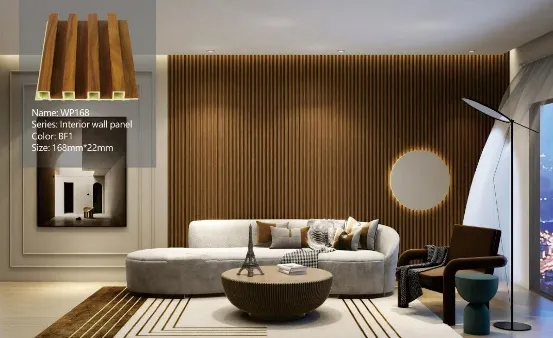
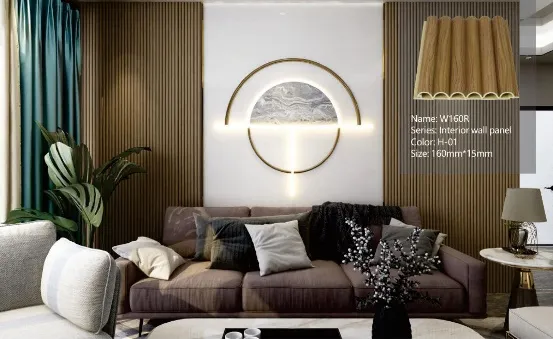
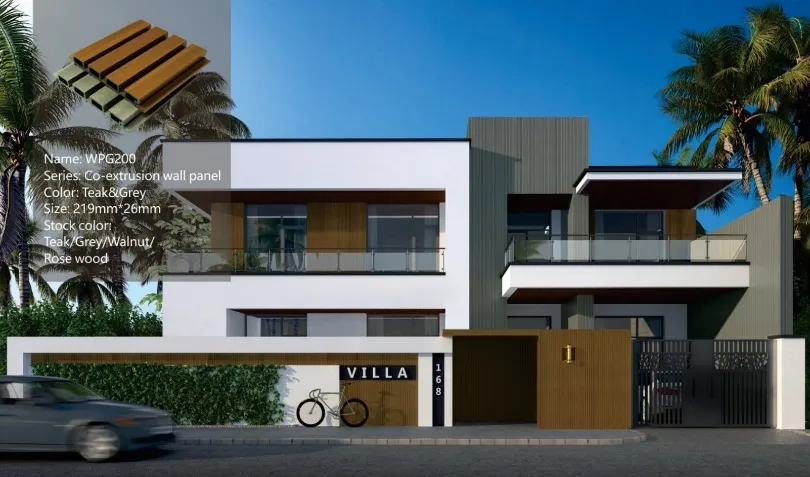
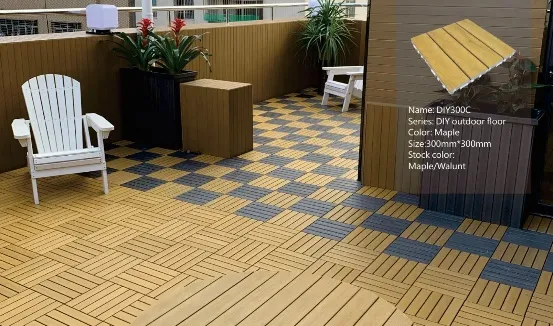
Quality assurance isn't a single step for us—it's a journey that starts the moment we source raw materials and ends long after our panels are installed. We believe in testing rigorously, honestly, and transparently. Here's a breakdown of the key phases every Coloria WPC wall panel undergoes before it reaches your project:
1. Raw Material Inspection: The Foundation of Quality
You can't build a strong house on a weak foundation, and the same goes for WPC panels. Our panels are made from a blend of recycled wood fibers and high-density polyethylene (HDPE), but not just any wood or plastic will do. We source our wood fibers from sustainably managed forests (no deforestation here!) and our HDPE from reputable suppliers who meet strict environmental and safety standards. Every batch of raw materials is inspected for purity, moisture content, and strength. If even one bag of wood fibers has too much moisture, or a pellet of plastic shows signs of contamination, it gets rejected. No exceptions.
2. Manufacturing: Precision Meets Consistency
Once the raw materials pass inspection, they're mixed in our state-of-the-art blending machines, where we carefully control the ratio of wood to plastic, along with additives like UV stabilizers (to fight fading), fire retardants (for safety), and colorants (for that perfect hue). The mixture is then heated and extruded into panels using precision dies, ensuring uniform thickness, density, and texture across every piece. Our manufacturing facility operates 24/7, but that doesn't mean we cut corners—every hour, our quality control team takes random samples to check for defects like air bubbles, uneven coloring, or inconsistent dimensions. If a panel is even 0.5mm too thin or too thick, it's pulled from the line.
3. The Testing Lab: Where Panels Prove Their Mettle
This is where the real fun (and rigor) happens. After manufacturing, panels are sent to our in-house testing lab, where they undergo a battery of tests designed to simulate years of real-world use in just a few weeks. We don't just test to meet industry standards—we test to exceed them. Here's a closer look at the key tests and what they mean for you:
|
Test Category
|
Industry Standard
|
Our Testing Method
|
Coloria's Result
|
Why It Matters to You
|
|
Scratch Resistance
|
ASTM D3363
|
Steel wool (#0000) rubbed over panel surface with 1kg weight, 500 cycles
|
No visible scratches or discoloration
|
Your kids' toy trucks, pet claws, or office chairs won't leave permanent marks
|
|
Impact Resistance
|
ASTM D4226
|
1kg steel weight dropped from 1m height onto panel surface
|
No cracks, dents, or structural damage
|
Accidental bumps from furniture or tools won't ruin your walls
|
|
Moisture Resistance
|
ASTM D7031
|
Panels submerged in 23°C water for 72 hours; measured for swelling/warping
|
Swelling <2%; no warping or delamination
|
Perfect for bathrooms, kitchens, or coastal homes—no mold, rot, or warping
|
|
UV Resistance
|
ISO 4892-2
|
Exposure to UV light (simulating 5 years of sunlight) in a weathering chamber
|
Color fading <5% (vs. industry avg. of 15%)
|
Panels stay vibrant even in sun-drenched rooms or outdoor covered areas
|
|
Fire Performance
|
GB 8624-2012
|
Cone calorimeter test to measure flame spread and heat release
|
Class B1 (flame retardant); self-extinguishes within 10 seconds
|
Adds an extra layer of safety in homes, schools, and commercial spaces
|
|
VOC Emissions
|
EPA Method 24
|
Panels placed in a sealed chamber; air sampled for volatile organic compounds
|
<0.1mg/m³ (well below EU E1 standard of 0.5mg/m³)
|
No harmful fumes—safe for babies, pets, and anyone with allergies
|
And that's just the start. We also test for thermal expansion (so panels don't gap in summer or buckle in winter), sound insulation (for quieter rooms), and even stain resistance (because spilled coffee or juice is inevitable). Only panels that pass
all
these tests make it to our warehouse—everything else is recycled (no waste here!) and used to make new batches.