
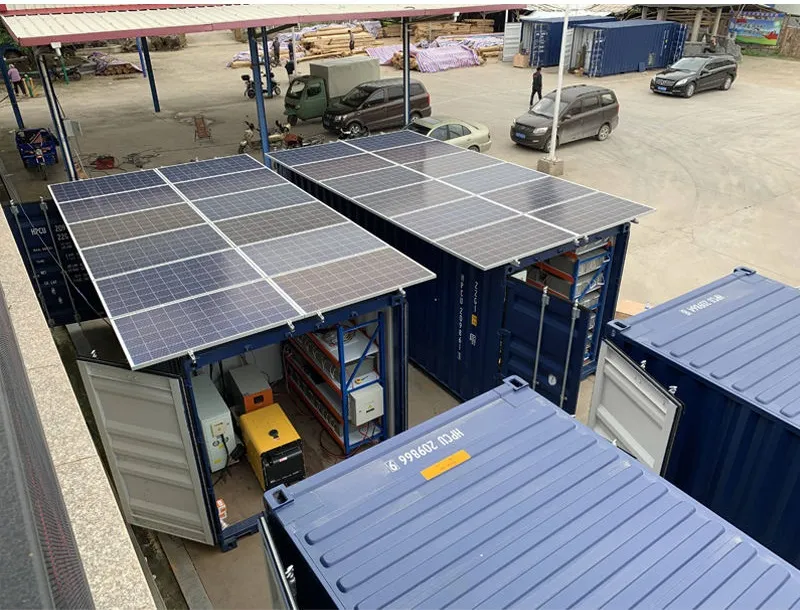
In the sun-drenched landscapes of the Middle East, where every ray of sunlight tells a story of resilience and innovation, tiny houses are emerging as more than just a trend—they're a lifestyle choice. These compact, efficient homes blend functionality with sustainability, but there's one challenge that looms large: powering them in a climate where temperatures soar, sandstorms rage, and energy costs keep climbing. Enter Coloria, a name synonymous with reliable building solutions in the region. As a trusted building material supplier with deep roots in Saudi Arabia and a commitment to sustainable building solutions, Coloria isn't just selling solar panels—they're crafting energy stories tailored for the Middle East's unique rhythm.
Let's start with the basics: living in the Middle East means embracing extremes. Summer temperatures regularly hit 45°C (113°F), with some regions touching 50°C (122°F). Sunlight here isn't just bright—it's intense, with UV radiation levels that can degrade ordinary materials in years, not decades. Add to that sudden sandstorms, where fine grit particles scratch surfaces and clog components, and you've got a perfect storm for underperforming solar systems.
For tiny house owners, this isn't just an inconvenience—it's a dealbreaker. A standard solar panel, designed for milder climates, might lose 20% of its efficiency on a hot day. Over time, heat stress can warp wiring, and sand accumulation can block sunlight entirely, turning an eco-investment into a maintenance headache. "I installed solar panels three years ago, and by the second summer, they were only working at 60% capacity," says Fatima, a tiny house owner in Riyadh. "The heat made the panels too hot to touch, and sand would stick to them even after cleaning. I was spending more on repairs than I saved on electricity."
So, what makes a solar panel "Middle East-ready"? It needs to laugh at 50°C heat, shake off sand like a camel shakes dust, and keep converting sunlight into power when other panels throw in the towel. That's where Coloria steps in.
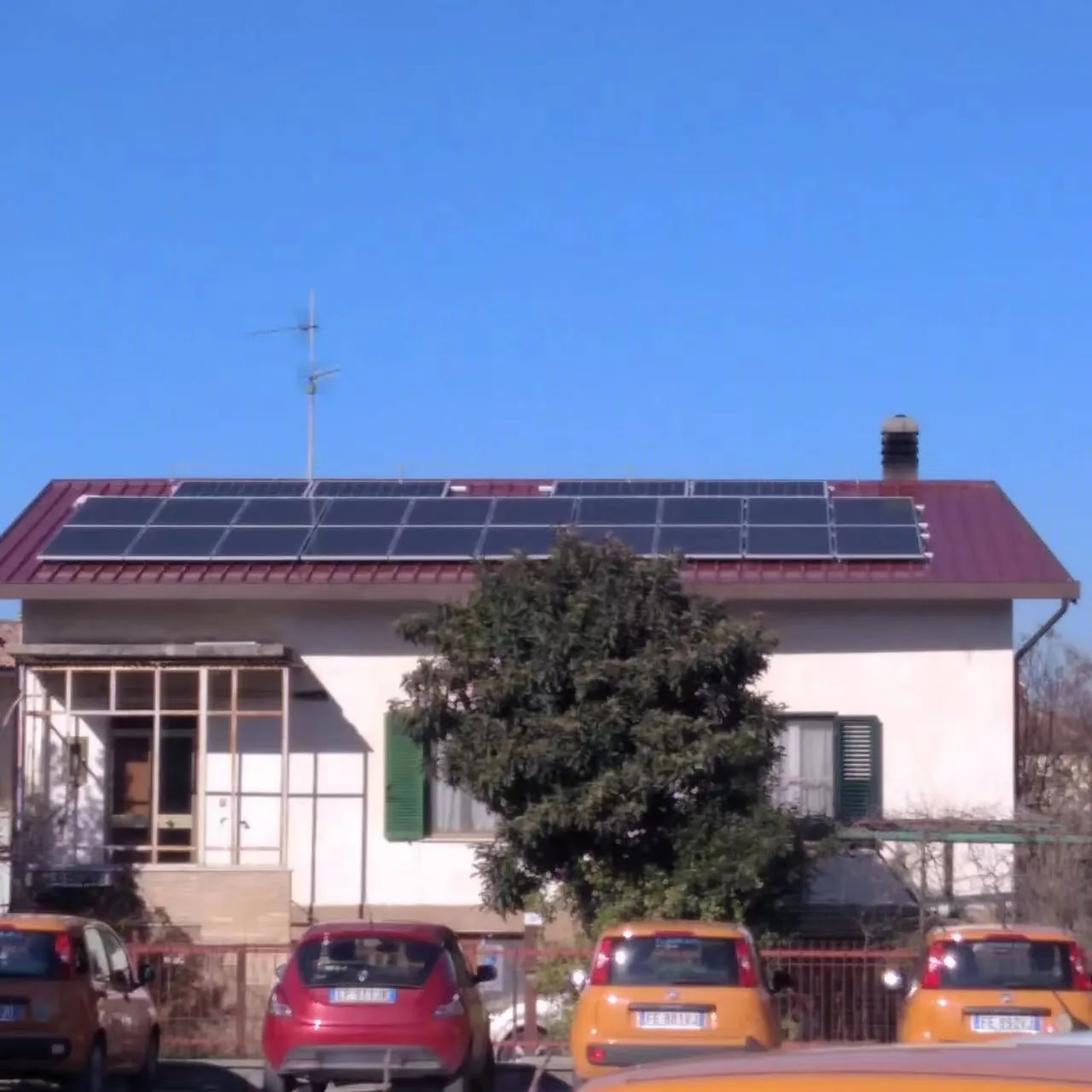
Coloria's solar panels for tiny houses aren't just off-the-shelf products—they're the result of decades of listening to the Middle East. As a one-stop architectural solution provider, Coloria doesn't just supply materials; they solve problems. Their solar panels are engineered with three core challenges in mind: heat, sand, and efficiency.
Most solar panels start losing efficiency once they hit 25°C (77°F)—a temperature the Middle East surpasses by 9 AM in summer. Coloria's panels? They're built with a proprietary "DesertCore" technology, a heat-resistant backing material that maintains performance even at 60°C (140°F). How? Think of it like a thermal shield for your panels: the material absorbs and dissipates heat quickly, preventing the internal components from overheating. In independent tests conducted in Jeddah, Coloria's panels retained 92% of their efficiency at 50°C, compared to 75% for standard panels.
"We tested 12 different panel brands in our Riyadh lab," says Dr. Ahmed, Coloria's Middle East technical director. "What surprised us was how quickly regular panels' wiring degraded under sustained heat. Coloria's panels use silver-plated copper wiring, which doesn't corrode or expand in high temperatures. That's why we offer a 25-year warranty on performance—we know they'll still be going strong when other panels have retired."
Sandstorms in the Middle East aren't gentle. They're gritty, persistent, and leave a film that can reduce solar absorption by 30% in days. Coloria's solution? A nanocoating on the panel surface that acts like a force field against dust. The coating is hydrophobic (water-repellent) and oleophobic (oil-repellent), so when the rare desert rain comes, or when you hose down the panels, the water beads up and carries sand away—no scrubbing required.
Mohammed, a tiny house owner in Dubai, tested this firsthand: "Last month, we had a sandstorm that left everything covered in a thick layer of dust. I was dreading cleaning the panels, but when I went outside the next day, most of the dust had already blown off. The few spots that remained washed away with a quick spray from the hose. It's like they self-clean!"
Tiny houses have limited roof space, so every square meter counts. Coloria's solar panels boast a 23% efficiency rating—among the highest in the industry for residential use. That means a 10m² installation can generate up to 5kWh per day in Saudi Arabia's sunshine, enough to power a small home with energy-efficient appliances (which, by the way, Coloria also supplies as part of their whole-house solutions). Compare that to standard panels with 18-20% efficiency, which would need 12-15m² to hit the same output.
| Feature | Coloria Solar Panels | Standard Solar Panels |
|---|---|---|
| Efficiency at 25°C | 23% | 18-20% |
| Efficiency at 50°C | 92% of rated efficiency (21.16%) | 75% of rated efficiency (13.5-15%) |
| Heat Resistance | Operates up to 60°C | Performance drops significantly above 40°C |
| Sand/Dust Resistance | Nanocoating self-cleaning technology | Requires frequent manual cleaning |
| Warranty | 25-year performance warranty | 10-15-year performance warranty |
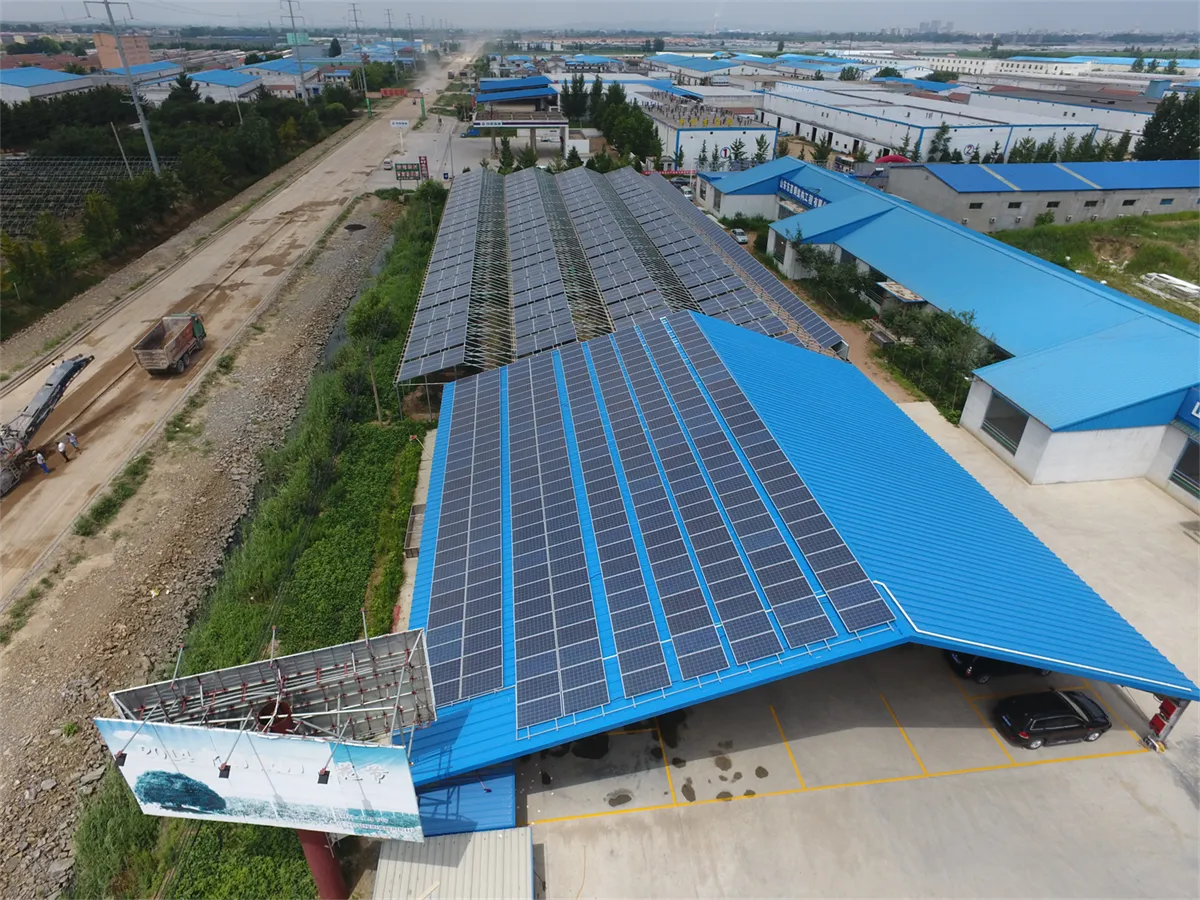
Here's the thing about tiny houses: they're a puzzle where every piece matters. You can't just slap on solar panels and call it sustainable—you need insulation that keeps the heat out, windows that block UV rays, and flooring that stands up to desert dust. As a one-stop architectural solution provider, Coloria gets this. They don't just sell you solar panels; they walk with you from the first sketch to the final switch-on.
Imagine this: You're designing your tiny house in Riyadh. You choose Coloria's solar panels for the roof. But then you realize—your walls are made of traditional materials that absorb heat, turning your home into an oven by noon. What do you do? Call another supplier? Not with Coloria. They'll suggest their bamboo charcoal board wall panels, which not only insulate against heat but also purify indoor air (perfect for those sandstorm days when windows stay shut). Then, for the floors, their WPC (wood-plastic composite) flooring is waterproof, scratch-resistant, and stays cool underfoot—no more burning feet when you walk across the room.
"It was overwhelming at first," says Layla, who built her tiny house in Dammam with Coloria. "I thought I'd have to coordinate with five different suppliers. But Coloria assigned me a project manager who handled everything—solar panels, insulation, even the kitchen appliances. They knew exactly what works in our climate, so I didn't have to second-guess every choice."
Saudi Arabia's 2030 Vision isn't just a government plan—it's a movement toward sustainability and. Coloria, as a Saudi Arabia building materials supplier with deep roots in the region, is proud to be part of that. Their solar panels are part of a broader commitment to green building materials, "" and reducing the carbon footprint of every project. But it's not just about products; it's about people. Coloria invests in local talent, training Saudi engineers and technicians to install and maintain their systems, creating jobs and ensuring that support is never far from home.
"We're not just importing products and selling them," says Hassan, Coloria's Saudi operations director. "We're building a local ecosystem. Our solar panels are assembled in Jeddah, our technical team is 90% Saudi, and we partner with local universities to research climate-specific solutions. That's how we contribute to Vision 2030—by making sustainability and go hand in hand."
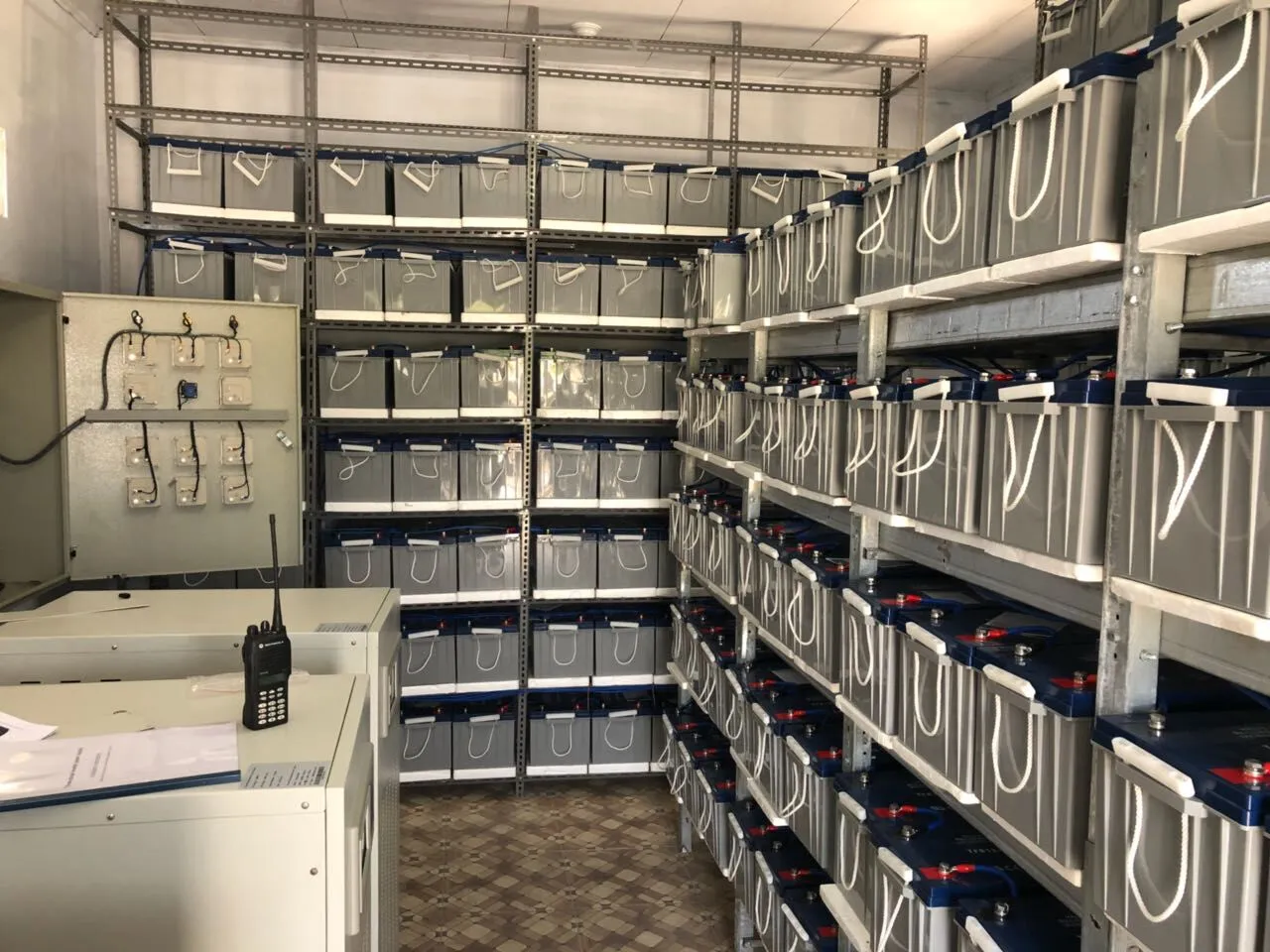
Numbers and specs tell part of the story, but real change happens in people's lives. Let's meet a few tiny house owners who chose Coloria's solar panels and never looked back.
Khalid, a retired teacher, built his tiny house in the desert near Al Ula, far from the grid. "I wanted to live off the land, but I didn't want to sacrifice comfort," he says. "Coloria's solar panels were the cornerstone. They generate enough power to run my fridge, lights, and even a small air conditioner during the day. What surprised me most was the battery storage—their system includes a weatherproof battery that charges during the day and powers the house at night, even on cloudy days."
Three years in, Khalid's panels have withstood sandstorms, 50°C summers, and even a rare hailstorm. "Last summer, the temperature hit 52°C for a week straight. My neighbor, who has standard panels, had to shut down his system to prevent damage. Mine kept running, and my house stayed cool. I'm saving about 800 SAR a month on energy costs—money I now spend on traveling to explore more of Saudi's beauty."
Aisha and her husband built a 40m² tiny house in Riyadh to downsize and reduce their carbon footprint. "We have two kids, so energy efficiency was non-negotiable," she explains. "Coloria's team didn't just install solar panels—they redesigned our roof to maximize sun exposure, added their heat-resistant ceiling panels, and even suggested energy-efficient LED lights that use 70% less power. Our electricity bill went from 600 SAR a month to under 100 SAR. The kids love that we're 'helping the planet,' and I love that we're setting an example for sustainable living."
Choosing a solar panel supplier in the Middle East isn't just about the product—it's about trust. Can they stand behind their warranty when the desert tests their limits? Do they understand your unique needs as a tiny house owner? Coloria checks all these boxes and more.
With a in Saudi Arabia and decades of experience in the region, Coloria speaks the language of Middle East construction. They know the local regulations, the quirks of different climates (coastal humidity in Jeddah vs. inland dry heat in Riyadh), and how to navigate the unique challenges of tiny house builds in Saudi Arabia.
Coloria's solar panels meet international standards (ISO 9001, TÜV certification), but their support is 100% local. If you have a problem, you won't be calling a call center in another country—you'll reach a technician in your city who can be on-site within 24 hours. "When a sandstorm damaged one of my panels, Coloria sent someone the next day to replace it," says Mohammed from Dubai. "No paperwork, no hassle—just quick, reliable service."
Building a tiny house is an adventure, and Coloria wants to be your co-pilot. From the initial consultation to post-installation check-ins, they're there to answer questions, adjust plans, and ensure your home is everything you dreamed of. "They didn't just sell me products," says Layla. "They invested in my vision. That's the difference between a supplier and a partner."
Recommend Products












