
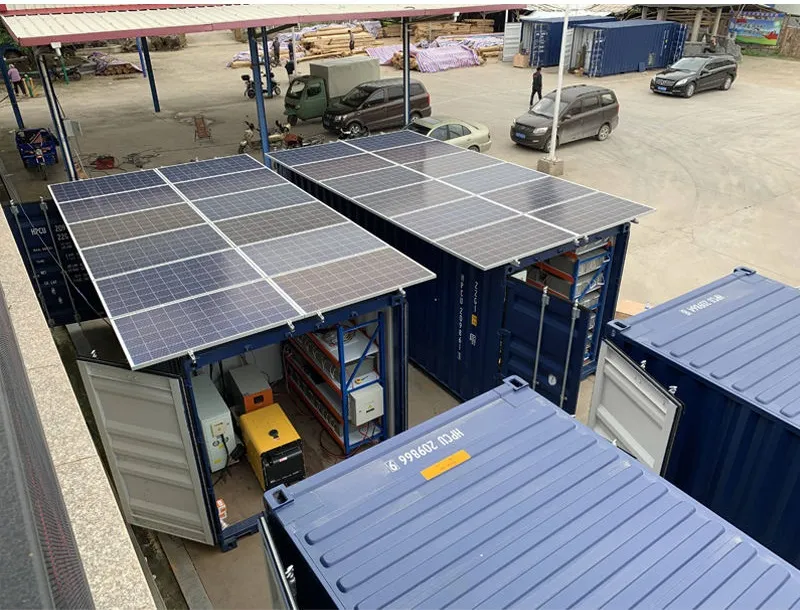
Navigating solar investments with the Middle East's trusted one-stop building materials partner
Let's start with the obvious: energy costs are rising, and the sun isn't getting any less bright—especially here in the Middle East. Whether you're building a new home, revamping an office space, or managing a commercial project, solar panels have gone from "nice-to-have" to "must-have" in 2025. But let's be real—before you jump in, the first question on your mind is probably, "What's this going to cost me?"
That's where Coloria comes in. As a one-stop architectural solution provider with decades of experience in the Middle East, we've helped hundreds of clients—from homeowners to hotel developers—navigate the solar panel maze. We're not just here to sell you panels; we're here to break down the numbers, debunk the myths, and show you how to get the most bang for your buck. After all, solar isn't just an expense—it's an investment in your property, your energy independence, and a greener future.
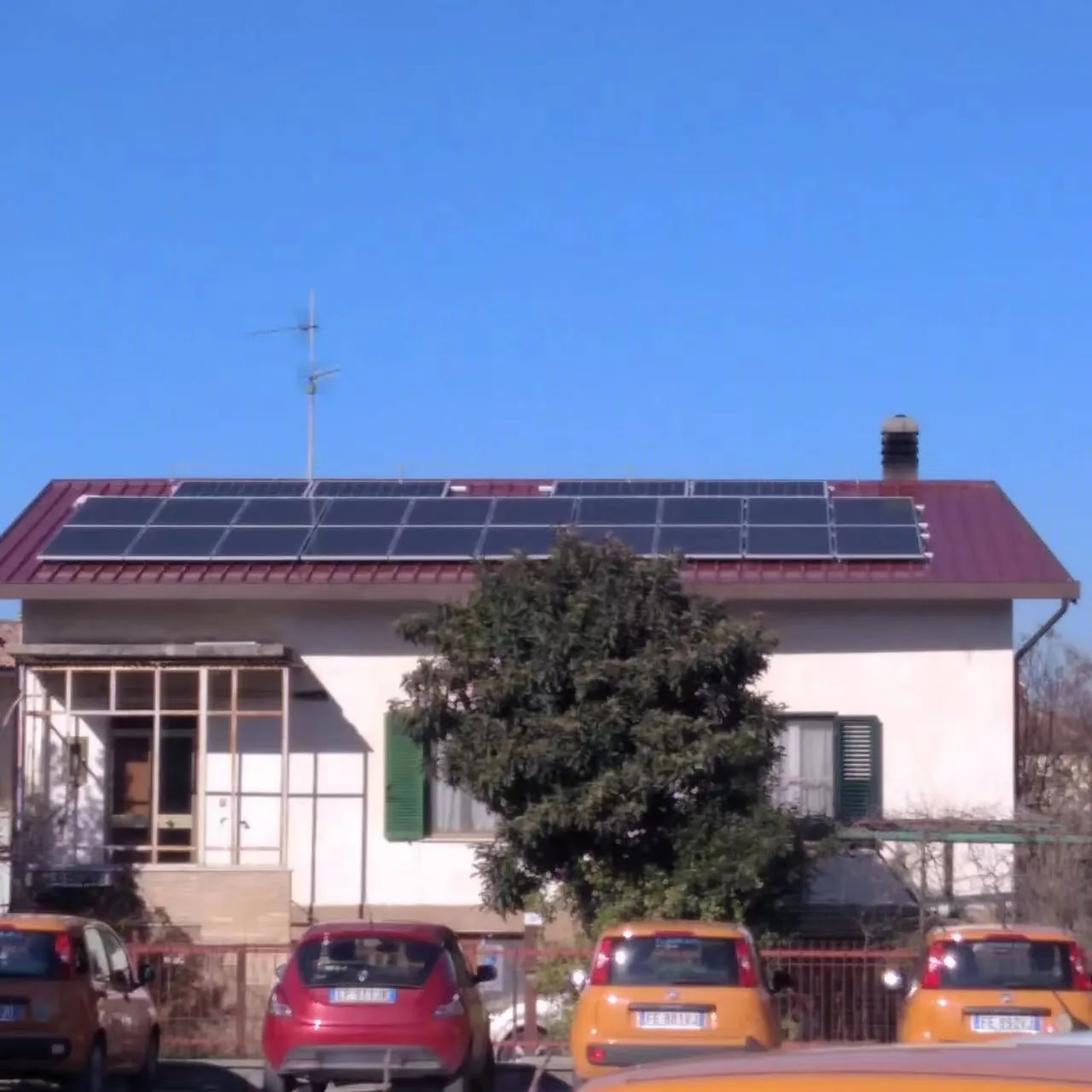
Let's cut through the jargon. When you're quoted a price for solar panels, what are you really paying for? It's not just the shiny panels on your roof—there's a whole ecosystem of components and services that make up the total cost. Here's a simple breakdown:
1. The Panels Themselves : This is the star of the show, but not all panels are created equal. Monocrystalline panels (the most efficient) cost more than polycrystalline, but they save space and perform better in high temperatures—perfect for Saudi Arabia's climate. Expect to pay anywhere from $250 to $400 per panel in 2025, depending on wattage and brand.
2. Inverters : These convert the sun's DC power to AC power your home or business can use. String inverters are cheaper ($500–$1,500 for residential), while microinverters (better for shaded roofs) cost more ($1,500–$3,000). For commercial projects, central inverters might be the way to go, ranging from $3,000 to $10,000+.
3. Mounting Hardware & Wiring : Think racks, brackets, cables, and junction boxes. These might seem small, but they add up—usually 10–15% of the total equipment cost. For example, a residential system might spend $800–$1,500 here, while a commercial setup could hit $5,000–$15,000.
4. Installation Labor : You wouldn't DIY your own heart surgery, and solar installation is no different. Experienced teams ensure safety and efficiency. Labor costs vary by project size: residential installs (1–2 days) run $1,500–$3,000, while commercial jobs (1–2 weeks) can cost $10,000–$50,000.
5. Permits & Inspections : Local governments require permits, and post-installation inspections are mandatory. In Saudi Arabia, this typically adds $500–$1,500 for residential and $2,000–$5,000 for commercial projects, depending on the city.
6. Maintenance & Warranties : Most panels come with 25-year warranties, but you'll need occasional cleaning and check-ups. Some suppliers (like Coloria) include 1–2 years of free maintenance in their packages, which can save you $300–$800 annually down the line.
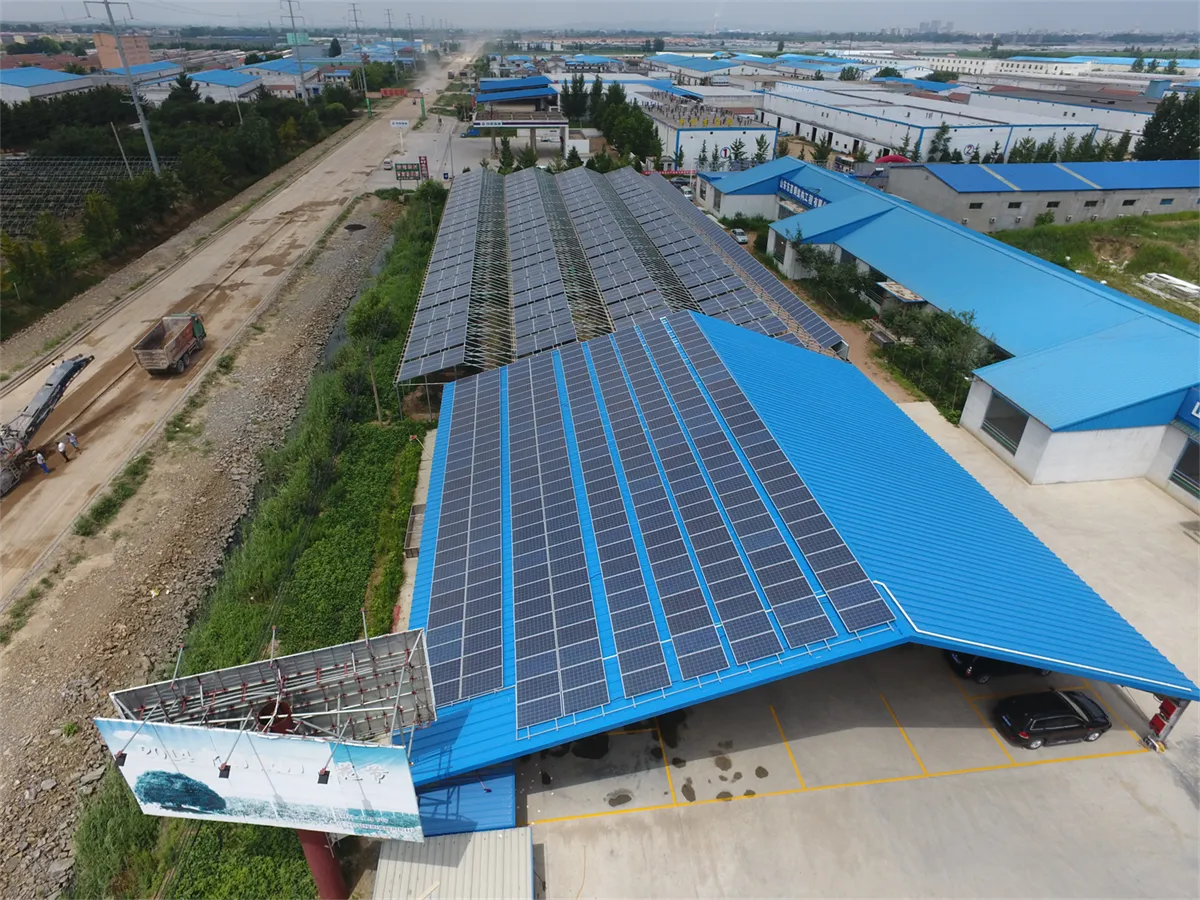
Whether you're a homeowner with a 100㎡ roof or a business owner with a 500㎡ warehouse, your solar needs (and costs) will look very different. Let's compare apples to apples with real-world examples we've handled at Coloria:
| Cost Component | Residential (100㎡ Roof, ~5kW System) | Commercial (500㎡ Roof, ~25kW System) |
|---|---|---|
| Panels (20–25 panels) | $6,000 – $9,000 | $25,000 – $40,000 |
| Inverter & Electrical Components | $1,200 – $2,500 | $5,000 – $12,000 |
| Mounting Hardware & Wiring | $800 – $1,500 | $4,000 – $8,000 |
| Installation Labor | $1,500 – $3,000 | $15,000 – $30,000 |
| Permits & Inspections | $500 – $1,200 | $2,500 – $6,000 |
| 2-Year Maintenance Package | Included (Value: $600) | Included (Value: $2,000) |
| Total Investment | $10,000 – $16,000 | $51,500 – $96,000 |
Notice a pattern? Commercial systems cost more upfront, but they also benefit from economies of scale. For example, a 25kW commercial system might cost $2.06–$3.84 per watt, while a residential 5kW system is $2.00–$3.20 per watt. The per-watt cost drops as the system size increases—that's why businesses often see faster ROI than homes.
As a residential building materials supplier and commercial building materials supplier, we tailor every quote to your space. A villa in Riyadh with a south-facing roof might need fewer panels than a shaded apartment complex in Jeddah—and we'll adjust accordingly to avoid overspending.
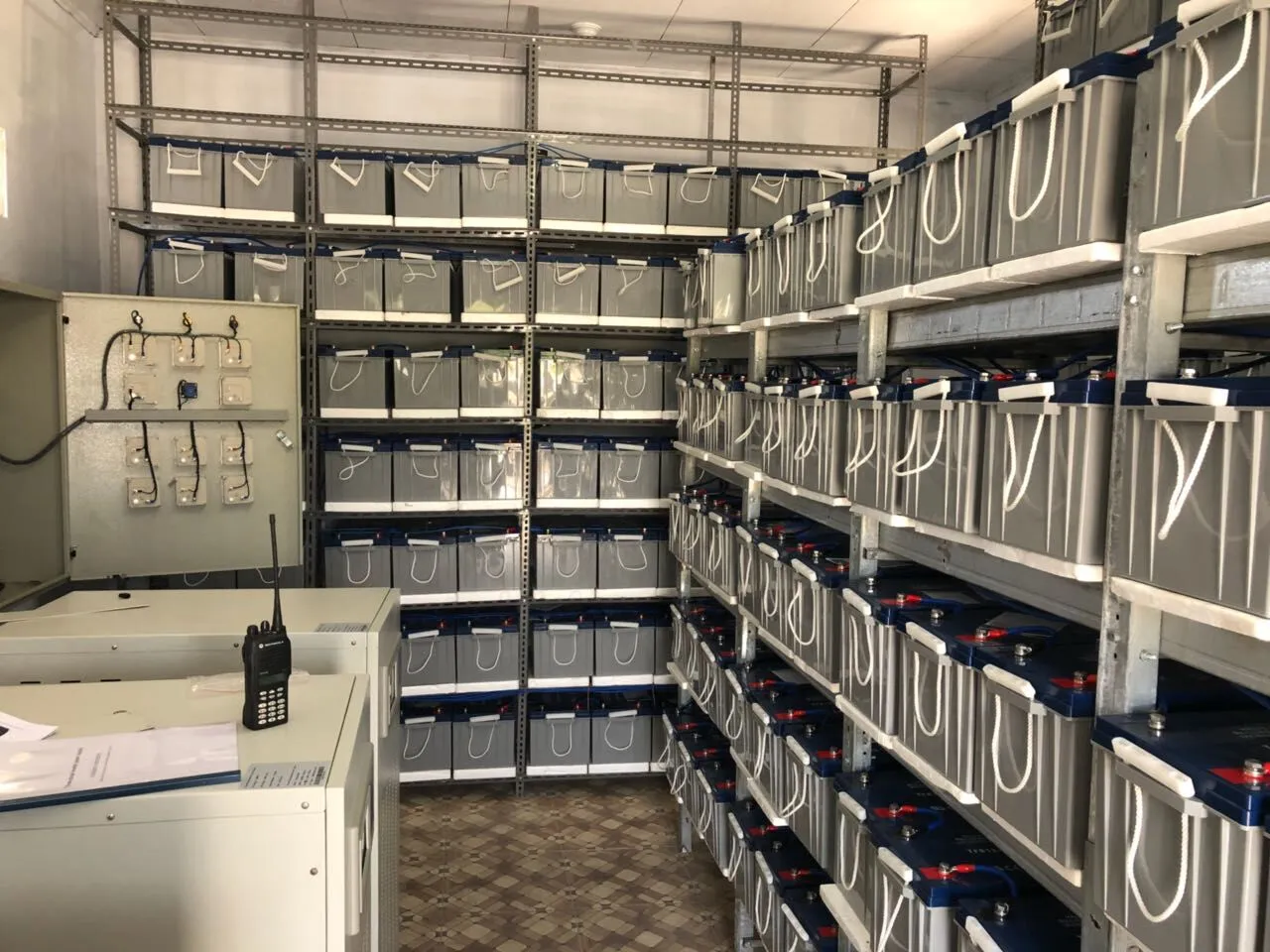
No two solar projects are the same, and these variables can swing your total cost by 10–30%. Here's what to watch for:
1. Roof Condition & Orientation : A brand-new, flat roof with no shading? You're golden—installation will be quick and cheap. An old roof with leaks or a north-facing slope? You'll need repairs first ($1,000–$5,000) and more panels to compensate for lower sun exposure, hiking costs by 15–20%.
2. Panel Type & Efficiency : High-efficiency monocrystalline panels cost 10–20% more than polycrystalline, but they take up less space. If your roof is small, splurging on efficiency might be worth it. At Coloria, we often recommend our sustainable products line here—panels with better heat tolerance that last longer in Saudi's harsh sun, saving you money on replacements later.
3. Local Incentives : Saudi Arabia's "2030 Vision" is pushing hard for renewable energy, and many cities offer rebates or tax breaks. For example, Riyadh currently offers a 15% rebate on residential solar systems (up to $2,000), while Jeddah gives commercial projects a 20% tax credit. We keep track of all these incentives and help you apply—free of charge.
4. Project Timeline : Need your system up and running in 2 weeks? Rush fees for permits and labor can add $1,000–$3,000. Planning ahead (3–6 months) lets us schedule installers during slower seasons, often saving you 5–10%.
5. Bundling with Other Materials : Here's where being a one-stop supplier pays off. If you're already buying flooring, windows, or kitchen appliances from Coloria for your project, we'll knock 5–15% off your solar package. It's our way of rewarding clients who trust us with their whole build—no need to juggle 5 different suppliers.
Let's get real: solar isn't cheap, but that doesn't mean you can't optimize your investment. At Coloria, we've built our business around making high-quality building materials accessible—solar included. Here's how we keep costs down for our clients:
1. Direct-from-Factory Pricing : We source panels, inverters, and hardware directly from trusted manufacturers (no middlemen markup). That means we can offer prices 10–15% lower than retailers who buy through distributors.
2. In-House Installation Teams : We don't outsource installation to random contractors. Our own certified technicians know the ins and outs of Middle Eastern roofs, which means faster installs, fewer mistakes, and no surprise "extra labor" fees.
3. Whole-Project Planning : As a one-stop provider, we look at your entire building project—not just solar. If you're installing new roofing or electrical systems, we'll coordinate solar installation to overlap, saving you on labor and downtime.
4. Long-Term Maintenance Packages : Our $500/year maintenance plan includes quarterly cleanings, inverter checks, and warranty support. Skipping maintenance might save you $500 now, but a dirty panel loses 20–30% efficiency—costing you $300–$800/year in lost energy savings. It's a no-brainer.
5. Local Expertise : We've been in Saudi Arabia for decades, so we know the permits, the inspectors, and the weather quirks. We'll handle the paperwork, avoid common pitfalls (like using panels that can't handle dust storms), and get your system approved the first time—saving you months of delays and frustration.
You might be wondering: "Should I wait to install solar until prices drop further?" It's a fair question. Here's our take, based on industry data and our own supplier relationships:
Panel prices have dropped by about 70% in the last decade, but the decline is slowing. In 2025, we expect a modest 5–8% drop in panel costs, thanks to better manufacturing tech. However, labor and inverter costs are rising due to global demand—so the total system cost might stay flat or even edge up slightly (3–5%) by year-end.
On the flip side, energy prices in Saudi Arabia are projected to rise 8–10% in 2025, and solar incentives might shrink as the market matures. So waiting could mean higher energy bills and fewer rebates. Our advice? If you have the budget and your roof is ready, now is a great time to act.
Ready to take the plunge? Here's how we'll walk you through the process:
Step 1: Free Site Assessment : We'll visit your property, check your roof, measure sun exposure, and discuss your energy needs (how much electricity do you use monthly?). This takes 1–2 hours and costs nothing.
Step 2: Custom Quote : Within 3 days, we'll send a detailed quote with panel options, costs, and projected savings. We'll break down every line item so you know exactly where your money is going—no hidden fees.
Step 3: Incentive Help : We'll research local rebates, tax credits, and financing options (like solar loans with 0% interest for 5 years) to maximize your savings. We even help fill out the paperwork.
Step 4: Installation & Inspection : Our team installs the system in 1–5 days (residential) or 1–2 weeks (commercial). We'll handle permits and inspections, so you don't lift a finger.
Step 5: Training & Maintenance : We'll show you how to monitor your system's performance and answer any questions. Then we'll set you up with our maintenance plan to keep things running smoothly.
Q: How long until my solar panels pay for themselves?
A: In Saudi Arabia, residential systems typically see ROI in 5–7 years, commercial in 4–6 years (thanks to higher energy usage and incentives). After that, your electricity is basically free for the next 15–20 years.
Q: What if my roof isn't big enough for solar?
A: We can install ground-mounted systems if you have yard space, or use higher-efficiency panels to squeeze more power into a small area. For commercial clients, we've even added panels to parking lot canopies—double win for shade and energy!
Q: Do solar panels work during dust storms?
A: They do, but efficiency drops. That's why we recommend our dust-resistant panel coatings (adds $300–$500 to your project) and include monthly cleanings in our maintenance plans. Most clients see 90% efficiency restored within 24 hours of a storm.
Q: Can I finance my solar system?
A: Absolutely! We partner with local banks to offer solar loans with rates as low as 2.5% and terms up to 10 years. Many clients find their monthly loan payment is less than their current electricity bill—so they start saving immediately.
At the end of the day, solar panel costs are about more than dollars and cents. It's about knowing you're insulated from rising energy prices, reducing your carbon footprint, and increasing your property value (solar homes sell 10–15% faster in Saudi Arabia, according to recent data). And when you choose Coloria, it's about knowing you're working with a team that's got your back—from the first quote to the 25th year of panel warranty.
So whether you're a homeowner ready to cut your electricity bill or a business owner aiming to meet sustainability goals, we're here to make solar simple, affordable, and stress-free. Let's build something bright together—one panel at a time.
Recommend Products












