

It's 6 AM in Riyadh, and Mohammed Al-Saud, a veteran contractor with two decades of experience, is already poring over blueprints in his office. The project on his desk—a 15-story residential complex in the heart of the city—needs to break ground in three weeks, but there's a problem: the client wants the exterior to evoke the warm, rugged beauty of Saudi Arabia's natural stone landscapes, yet the budget can't stretch to importing heavy granite. Worse, the tight timeline means traditional cladding methods—like brick or concrete—would put the entire schedule at risk. "We need something that looks like stone, installs fast, and won't crack under the summer heat," he mutters, scrolling through endless catalogs of building materials. Sound familiar? For contractors across the Middle East, this balancing act of aesthetics, durability, and practicality is all too common. But what if there was a solution that checked every box? Enter Coloria—a leading Saudi Arabia building materials supplier whose PU stone wall panel solutions are transforming how projects in Riyadh, Jeddah, and beyond come to life.
To understand why Coloria's PU stone wall panels have become a go-to for contractors, you first need to grasp the unique hurdles of building in the Middle East. The region's climate alone is a formidable opponent: summer temperatures soar to 50°C (122°F), sandstorms blast surfaces with abrasive grit, and humidity in coastal cities like Jeddah can warp even the sturdiest materials. Then there are the logistical headaches: transporting heavy natural stone from quarries to job sites eats into budgets and delays timelines. "We once had a project in Dammam where a shipment of marble slabs was held up at the port for two weeks," recalls Fatima Hassan, a project manager at a Riyadh-based construction firm. "By the time they arrived, the slabs were cracked from the heat, and we had to restart the order. That set us back a month—and cost us the client's trust."
Add to that the growing demand for sustainable, cost-effective building practices. Saudi Arabia's Vision 2030 has sparked a construction boom, with billions poured into commercial towers, residential complexes, and public infrastructure. But with this growth comes pressure: contractors must deliver projects faster, safer, and with a smaller environmental footprint. Traditional materials simply can't keep up. Natural stone, for example, is stunning but heavy—requiring reinforced structures and specialized labor. Brick is affordable but prone to fading and water damage in humid climates. Even newer options like MCM (Metal Composite Material) cladding, while lightweight, often lack the authentic stone texture clients crave. "We were stuck between a rock and a hard place," says Ahmed, the contractor from our opening scene. "Clients wanted the look of heritage stone, but we needed materials that could handle modern deadlines and budgets."
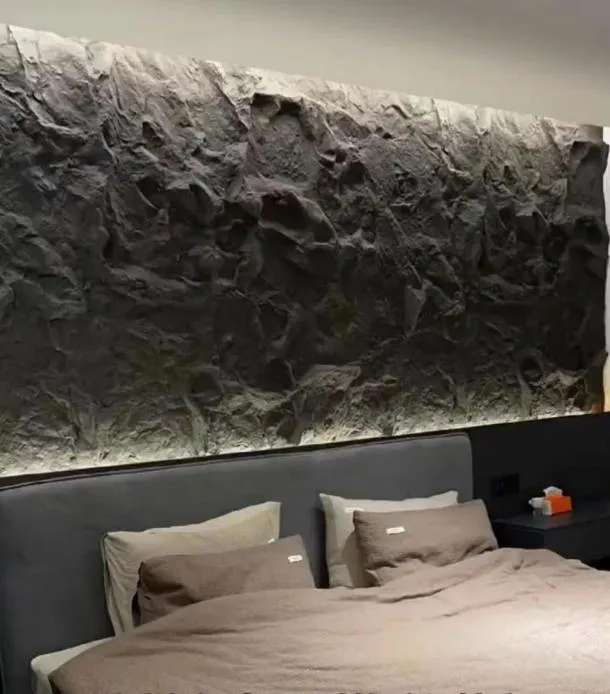
Enter polyurethane (PU) stone wall panels—a material that sounds too good to be true until you see it in action. At first glance, Coloria's PU panels look indistinguishable from natural sandstone, limestone, or even granite. Run your hand over them, and the texture is rough, granular, and utterly authentic. But pick one up, and you'll notice the difference: a 1m x 0.6m panel weighs just 8-12 kg, compared to 30-40 kg for a similar-sized natural stone slab. "The first time I held one, I thought, 'This can't be right,'" laughs Hassan. "But when we installed them on a 10th-floor balcony in Riyadh, two workers could carry a stack of 10 panels up the stairs—no crane needed. That alone cut our labor costs by 30%."
But the benefits go far beyond weight. PU stone panels are engineered to thrive in the Middle East's toughest conditions. The secret? A high-density polyurethane foam core reinforced with fiberglass, coated in a UV-resistant, weatherproof finish. This makes them virtually impervious to the region's extreme heat, sandstorms, and occasional downpours. "We tested a panel in our lab by leaving it outside for a year—exposed to 50°C days and 15°C nights, sandblasted for 100 hours, and soaked in water for a week," explains Dr. Nasser Al-Mansoori, Coloria's head of R&D. "The result? No fading, no cracking, no water absorption. It looked like it had just come off the production line."
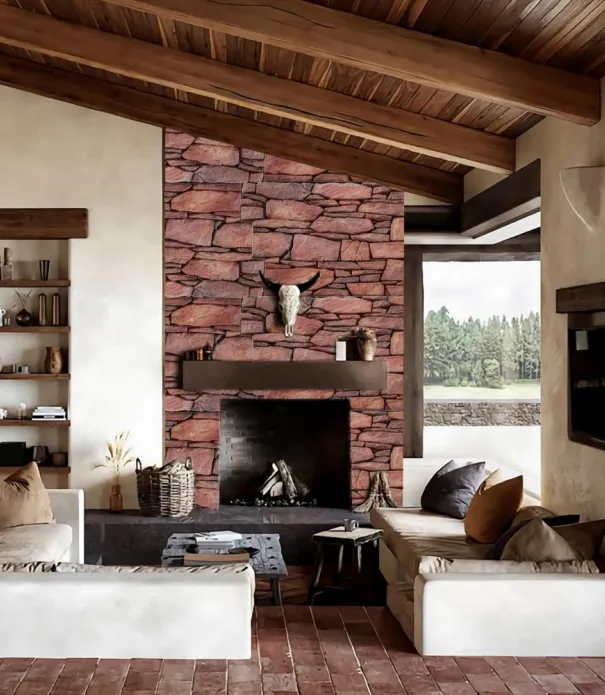
For interior decoration materials, PU panels are a designer's dream. They come in over 50 finishes—from the warm beige of Saudi desert stone to the cool gray of Swiss granite (a nod to Coloria's global sourcing partnerships). Want a feature wall in a luxury villa that mimics the look of ancient Nabataean stone? Done. Need a rustic accent in a café that feels like it was quarried from the Hijaz mountains? Easy. And because they're lightweight and easy to cut, installers can create custom shapes—arches, niches, even curved walls—that would be impossible with natural stone. "We used Coloria's PU panels in a Riyadh penthouse last year," says interior designer Lina Karim. "The client wanted a fireplace surround that looked like hand-chiseled limestone. With PU, we carved the design on-site in a day. With real stone, that would have taken a week and cost three times as much."
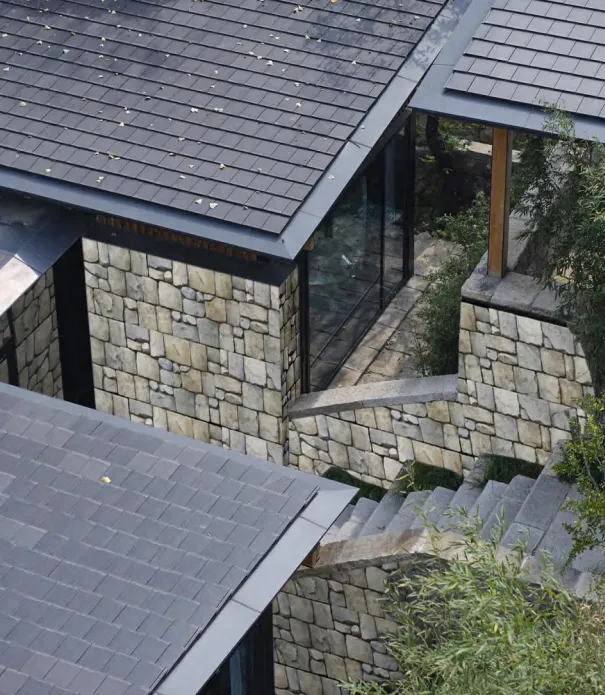
Exterior decoration materials face even harsher tests, but PU panels rise to the occasion. Take the Al-Rawdah Commercial Center in Jeddah, a sprawling mall with a facade designed to evoke the region's traditional mud-brick architecture. Coloria's "Desert Fortress" finish PU panels were chosen for their ability to withstand coastal humidity and salt spray. Two years later, the facade still looks brand-new—no peeling, no discoloration, and zero maintenance required. "We used to repaint our exteriors every 2-3 years," says the mall's facilities manager, Omar. "Now, we just hose down the PU panels once a month, and they shine. It's like having a self-cleaning facade."
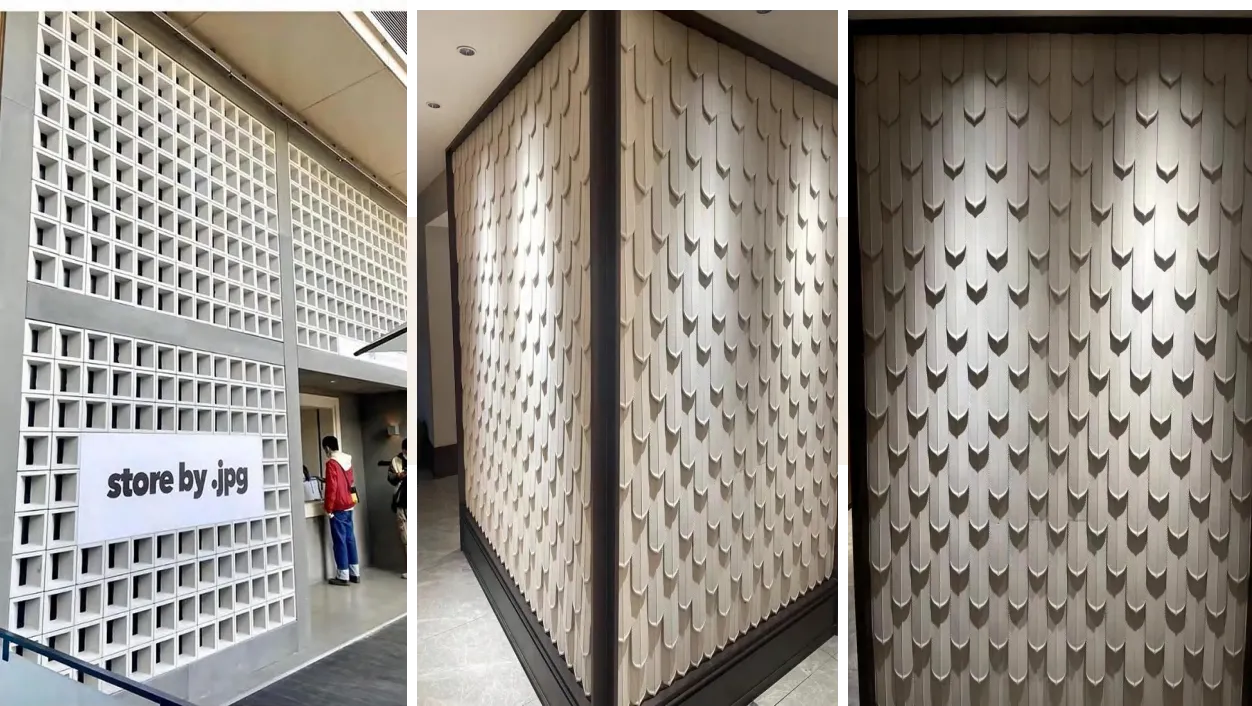
Coloria isn't just a supplier—it's a partner. Since establishing its Saudi Arabia headquarters in Riyadh in 2015, the company has made it a mission to understand the unique needs of Middle East contractors. "We don't just sell products; we solve problems," says CEO Amina Al-Zahrani. "When we first launched here, we spent six months visiting job sites, talking to contractors, and studying local building codes. We learned that reliability matters as much as quality. If a shipment is late, a project stalls. If a panel doesn't fit, crews waste time. So we built our business around three pillars: local presence, technical support, and customization."
Local presence means more than a warehouse in Riyadh (though Coloria has that, too). It means having a team of engineers, sales reps, and installation experts based in Saudi Arabia—people who speak the language, understand the culture, and can be on-site within 24 hours if there's an issue. "Last year, we had a problem with a batch of panels for a government school project in Dammam," recalls Hassan. "I called Coloria at 8 AM, and their technical team was at the site by 10 AM. They replaced the panels that day and even helped us adjust the installation schedule to make up for lost time. That's the kind of support you can't get from an overseas supplier."
Technical support is another cornerstone. Coloria offers free training sessions for contractors, teaching crews how to cut, install, and maintain PU panels. They also provide detailed CAD drawings and 3D renderings, so clients can visualize the final result before a single panel is installed. "We had a client who was nervous about switching from natural stone," says Al-Mansoori. "We created a 3D model of their villa's exterior using our PU panels, then built a 2m x 2m sample wall. They walked up, touched it, and said, 'I can't tell the difference.' That sealed the deal."
And when it comes to customization, Coloria doesn't just offer a catalog—they offer a collaboration. Want a panel that matches the stone from your grandfather's farm in Taif? Send a sample, and their team will replicate the texture and color. Need a fire-rated panel for a hospital or school? They'll engineer a Class A fireproof version (a critical feature under Saudi's SBC 601 fire safety code). "We had a project in Mecca where the client wanted panels that looked like the ancient stone of the Grand Mosque," says Karim. "Coloria sent a team to Mecca to study the original stone, then created a custom 'Holy Stone' finish. It was perfect—reverent, authentic, and built to last."
Don't just take our word for it—let the numbers speak for themselves. Below is a comparison of Coloria's PU stone wall panels with common cladding materials used in Middle East construction:
| Material | Weight (per m²) | Installation Time (per 100 m²) | Weather Resistance | Fire Rating | Cost Over 10 Years* |
|---|---|---|---|---|---|
| Coloria PU Stone Panel | 8-12 kg | 8-10 hours | Excellent (UV, sand, humidity) | Class A (custom) | Low (no maintenance/replacement) |
| Natural Stone | 30-40 kg | 25-30 hours | Good (prone to cracking in heat) | Class A | High (installation + maintenance + replacement) |
| Brick | 18-22 kg | 15-20 hours | Poor (fades, absorbs moisture) | Class A | Medium (repainting every 2-3 years) |
| MCM Cladding | 5-7 kg | 10-12 hours | Good (UV resistant, poor sandstorm durability) | Class B | Medium (replacement after 7-8 years) |
*Cost includes initial purchase, installation, maintenance, and replacement (if needed).
The data is clear: PU stone panels outperform traditional materials in nearly every category. Their lightweight design cuts installation time by up to 60% compared to natural stone, while their weather resistance eliminates the need for costly maintenance. And over a 10-year lifespan, they're often 40-50% more cost-effective than natural stone—a game-changer for contractors working within tight budgets.
Still skeptical? Let's dive into a few real projects where Coloria's PU stone panels made all the difference.
A 35-story luxury apartment building in Riyadh's diplomatic quarter, this project needed an exterior that exuded elegance while meeting strict wind-load and fire safety standards. The developer initially wanted natural granite, but the building's structural engineers warned that the added weight would require expensive reinforcements. Coloria proposed their "Royal Granite" PU panels—a dead ringer for the Indian granite the client loved, but at 1/3 the weight. The result? Installation was completed in 4 weeks instead of the projected 10, and the building's facade has become a landmark in Riyadh. "We get compliments every day," says the developer. "People can't believe it's not real granite."
Hospitals demand materials that are sterile, durable, and fire-safe. For Al-Hilal's new pediatric wing, Coloria supplied Class A fireproof PU panels in a soft "Cloud Stone" finish. The panels are easy to clean (critical for infection control), scratch-resistant (perfect for busy corridors), and warm to the touch (a comfort for young patients). "We wanted the wing to feel like a home, not a hospital," says the hospital's architect. "Coloria's panels gave us that cozy, natural look without compromising on safety."
A coastal villa in Yanbu needed a facade that could withstand saltwater, humidity, and intense sun. The owner, a retired diplomat, wanted the look of traditional Yemeni stone architecture. Coloria's "Hajar Stone" PU panels were the answer. Two years later, the villa's exterior is as vibrant as the day it was installed, and the owner estimates he's saved over SAR 50,000 in maintenance costs. "I used to spend weekends power-washing and repainting," he says. "Now, I just relax and enjoy the view."
In an era where sustainability is no longer optional, Coloria's PU stone panels are leading the way. Their lightweight design reduces transportation emissions—since more panels fit on a truck, fewer trips are needed. Their durability means less waste (no need to replace panels every few years), and their production process uses 30% less energy than traditional stone quarrying. "Saudi Arabia's Vision 2030 talks about a 'green economy,' and we take that seriously," says Al-Zahrani. "Our panels help contractors meet LEED and Estidama certification requirements, which is becoming a must for government and commercial projects."
But sustainability isn't just about the environment—it's about people, too. PU panels are easy to install, reducing the physical strain on workers (a critical issue in a region with high heat-related injuries). They also emit zero VOCs (volatile organic compounds), improving indoor air quality in homes, schools, and hospitals. "We had a project in Riyadh where the client was concerned about off-gassing from building materials," says Hassan. "Coloria provided third-party lab tests proving their panels are 100% non-toxic. That gave the client peace of mind—and us a competitive edge."
For contractors in Saudi Arabia and across the Middle East, the message is clear: Coloria's PU stone wall panel solutions aren't just a material—they're a partnership. A partnership that understands your deadlines, respects your budget, and shares your commitment to excellence. Whether you're building a skyscraper in Riyadh, a hospital in Jeddah, or a villa in Yanbu, Coloria has the expertise, the local support, and the innovative products to make your vision a reality.
So, what are you waiting for? The next time you're staring at a blueprint, wondering how to balance beauty, budget, and durability, remember: there's a better way. A way that looks like natural stone, installs like a dream, and lasts for decades. A way that's trusted by contractors across the Middle East. That way is Coloria.
Recommend Products











