

In a world where every decision carries an environmental footprint, the buildings we live, work, and learn in are no exception. The shift toward sustainable construction isn't just a trend—it's a necessary step toward preserving our planet for future generations. Today, we're diving into a solution that's redefining what it means to build green: Coloria's MCM Flexible Cladding Stone Wall Panel Solutions. More than just a building material, these panels represent a commitment to innovation, aesthetics, and the health of our environment. Let's explore how this cutting-edge option, paired with complementary eco-friendly products like bamboo charcoal board wall panels and class A fireproof CPL inorganic boards, is making sustainable building both accessible and beautiful.
Walk into any architecture conference or flip through a construction magazine, and you'll hear the term "green building" thrown around constantly. But what does it really mean, and why should we care? At its core, green building is about creating structures that minimize harm to the environment while maximizing benefits for the people who use them. That means reducing energy consumption, lowering carbon emissions, improving indoor air quality, and using materials that are either recycled, renewable, or biodegradable.
The numbers tell the story: traditional construction accounts for nearly 40% of global carbon emissions and consumes vast amounts of natural resources. From quarrying stone to manufacturing synthetic cladding, the process of building has long taken a toll on the planet. But it doesn't have to be that way. As architects, builders, and homeowners increasingly prioritize sustainability, the demand for materials that align with these values has skyrocketed. Enter Coloria, a name synonymous with innovative, eco-conscious building solutions that don't compromise on style or performance.
Coloria isn't just another building material supplier—they're a team of problem-solvers who understand that modern construction needs balance. Between the need for durability, the desire for aesthetic appeal, and the urgency of sustainability, building projects often face competing demands. Coloria's mission? To bridge those gaps with solutions that check all three boxes. From residential homes to commercial complexes, and even specialized spaces like hospitals and schools, their product line is designed to meet the unique needs of every project—without sacrificing the planet.
At the heart of their offerings is a focus on materials that are kind to the environment from production to disposal. Today, we're zooming in on one of their standout products: MCM Flexible Cladding Stone Wall Panels. But to truly appreciate their impact, we'll also touch on two complementary solutions that round out Coloria's commitment to green building: bamboo charcoal board wall panel solutions and class A fireproof CPL inorganic board for hospital and school solutions. Together, these products showcase how sustainability can be integrated into every corner of a building—from the exterior facade to the interior walls of a classroom.
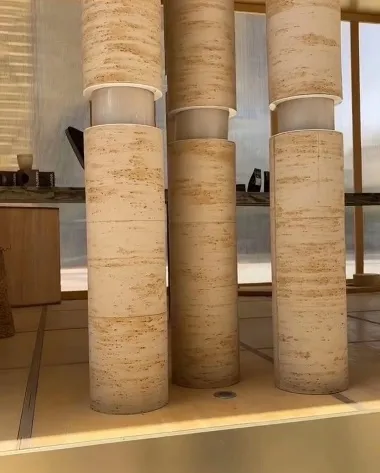
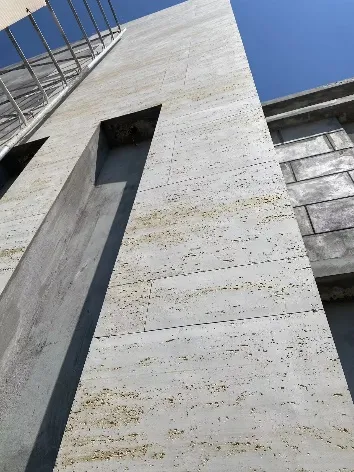
Let's start with the basics: MCM stands for "Modified Composite Material," and it's a game-changer in the world of cladding. Unlike traditional stone cladding, which is heavy, brittle, and resource-intensive to extract, MCM panels are engineered to mimic the look and feel of natural stone—without the environmental cost. Made from a blend of natural minerals, recycled polymers, and reinforcing fibers, these panels are lightweight, flexible, and incredibly durable. Think of them as the sustainable cousin of traditional stone: same stunning appearance, but with a fraction of the ecological footprint.
But what really sets MCM apart is its flexibility—literally. Traditional stone cladding is rigid, making it difficult to install on curved surfaces or buildings with unique architectural features. MCM panels, on the other hand, can bend and conform to almost any shape, opening up a world of design possibilities. Imagine a commercial building with a sweeping, organic facade that looks like it's wrapped in natural stone, or a residential home with a curved entryway that feels both modern and timeless. With MCM, those visions become reality—without requiring heavy structural support or excessive material waste.
Sustainability isn't an afterthought for Coloria's MCM panels—it's baked into every step of the process. Let's break down why these panels are a green building standout:
Recycled Materials: Up to 30% of the raw materials used in MCM panels come from post-consumer recycled content, such as plastic bottles and industrial waste. By diverting these materials from landfills, Coloria reduces the need for virgin resources and cuts down on manufacturing emissions.
Low-VOC Production: Volatile Organic Compounds (VOCs) are harmful chemicals released during manufacturing that contribute to air pollution and poor indoor air quality. Coloria's MCM production process uses low-VOC adhesives and coatings, ensuring that the panels are safe for both the environment and the people who live and work near construction sites.
Energy Efficiency: MCM panels have excellent thermal insulation properties, which means buildings clad in MCM require less energy to heat and cool. Over time, this reduces carbon emissions and lowers utility bills—a win-win for both the planet and building owners.
Durability = Less Waste: Traditional stone cladding can crack, chip, or fade over time, requiring frequent repairs or replacement. MCM panels, however, are resistant to UV rays, moisture, and impact, with a lifespan of up to 50 years. That means fewer materials end up in landfills, and fewer resources are needed to maintain the building over its lifetime.
End-of-Life Recyclability: When the time finally comes to replace MCM panels (decades down the line), they can be recycled into new materials, closing the loop on the product's lifecycle. This circular approach is a far cry from traditional stone, which often ends up as construction waste.
Eco-friendliness is a major selling point, but MCM panels don't stop there. They're also designed to make life easier for builders, architects, and homeowners. Here's how:
Lightweight Installation: Traditional stone cladding can weigh up to 150 pounds per square foot, requiring reinforced structural support and heavy machinery to install. MCM panels weigh just 3–5 pounds per square foot, making them easier to transport, handle, and install. This reduces labor costs, speeds up construction timelines, and lowers the risk of on-site injuries.
Design Versatility: Whether you're going for the look of granite, marble, slate, or even wood, MCM panels can be custom-colored and textured to match any aesthetic. They're available in large format sizes (up to 4 feet by 8 feet), which means fewer seams and a more seamless, polished finish. For architects, this is a dream come true—no more compromising on design to meet sustainability goals.
Weather Resistance: From scorching desert heat to freezing winters, MCM panels hold up in extreme conditions. They're mold-resistant, fade-resistant, and won't warp or crack in humidity, making them ideal for both interior and exterior use in any climate—including regions like Saudi Arabia, where durability in harsh weather is a must.
Still not convinced that MCM is the right choice for your project? Let's put it head-to-head with other common cladding materials. The table below compares MCM Flexible Cladding with traditional natural stone, PVC cladding, and fiber cement—four popular options—on key sustainability and performance metrics.
| Material | Eco-Friendly Features | Durability (Lifespan) | Installation Ease | Design Flexibility | Ideal Applications |
|---|---|---|---|---|---|
| MCM Flexible Cladding | Recycled materials (30%), low-VOC, recyclable, energy-efficient | 40–50 years | Lightweight (3–5 lbs/sq ft), easy to cut/shape | Custom colors/textures; mimics stone, wood, etc. | Residential, commercial, curved/unique facades |
| Traditional Natural Stone | Non-recyclable, high quarrying emissions, heavy transportation impact | 50+ years (but prone to cracking/chipping) | Heavy (100–150 lbs/sq ft), requires structural support | Limited by natural stone availability; rigid | Historic buildings, high-end commercial |
| PVC Cladding | Made from virgin plastic; non-biodegradable; releases toxins when burned | 15–20 years (fades/ warps in UV light) | Lightweight, but prone to expansion/contraction | Limited color/texture options; artificial appearance | Budget residential, temporary structures |
| Fiber Cement | Contains cement (high CO2 production); limited recyclability | 25–30 years (prone to moisture damage) | Heavy (8–10 lbs/sq ft); dusty installation | Basic textures; limited customization | Mid-range residential, exteriors in mild climates |
As the table shows, MCM Flexible Cladding outperforms traditional options across the board—offering the best of sustainability, durability, and design flexibility. It's no wonder that architects and builders are making the switch.

Coloria's commitment to green building doesn't end with MCM cladding. They offer a range of complementary products that extend sustainability from the exterior to the interior of any building. Two standouts are their bamboo charcoal board wall panel solutions and class A fireproof CPL inorganic board for hospital and school solutions.
When it comes to interior walls, sustainability and health go hand in hand. Coloria's bamboo charcoal board wall panels are designed to improve indoor air quality while reducing environmental impact. Here's how they work:
Natural Bamboo Base: Bamboo is one of the fastest-growing plants on Earth, reaching maturity in just 3–5 years (compared to 20–30 years for hardwood trees). It requires no pesticides or fertilizers to grow, making it a highly renewable resource. Coloria sources bamboo from FSC-certified forests, ensuring that harvesting practices are sustainable and do not harm local ecosystems.
Activated Charcoal Infusion: The bamboo boards are infused with activated charcoal, a natural air purifier that traps harmful pollutants like formaldehyde, benzene, and allergens. This is especially beneficial in spaces like homes, offices, and schools, where indoor air quality can be 2–5 times worse than outdoor air (according to the EPA).
Low-VOC and Formaldehyde-Free: Unlike many traditional wall panels, which are glued together with formaldehyde-based adhesives, Coloria's bamboo charcoal boards use water-based adhesives that are free from harmful chemicals. This means healthier air for everyone inside the building.
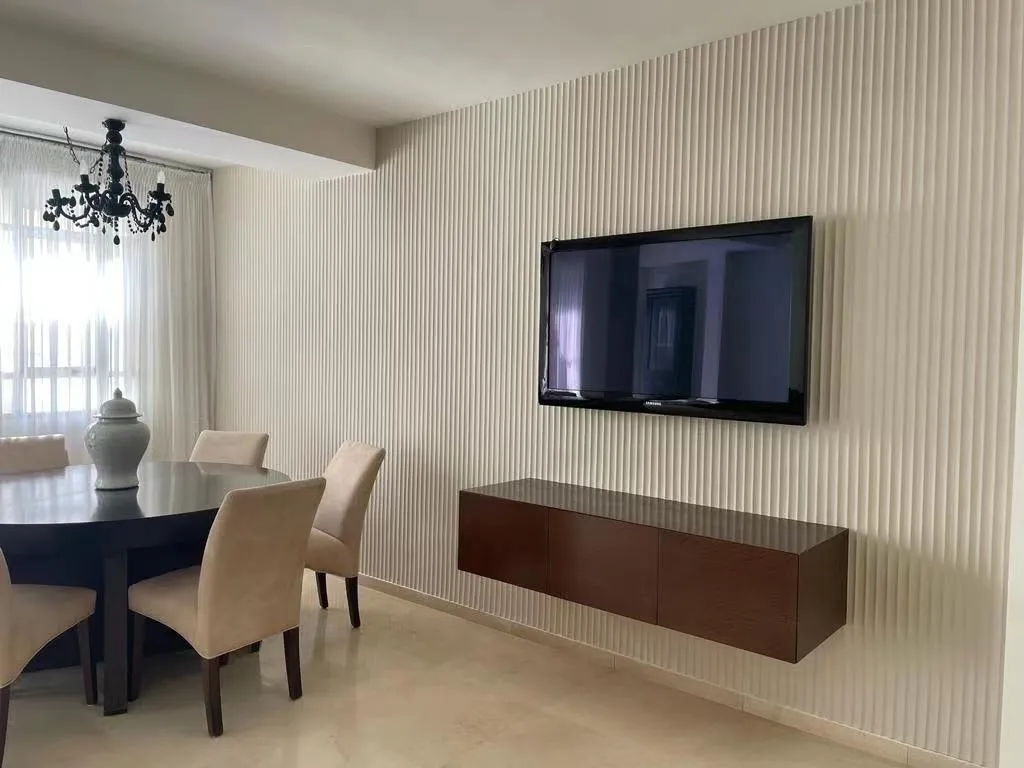
Stylish and Durable: Available in a range of wood grains and finishes, bamboo charcoal boards add warmth and texture to interiors. They're also scratch-resistant and easy to clean, making them ideal for high-traffic areas like hallways or living rooms.
Hospitals, schools, and other public buildings have unique needs: they require materials that are not only sustainable but also fire-resistant, hygienic, and easy to sanitize. Coloria's class A fireproof CPL inorganic board for hospital and school solutions checks all these boxes.
Class A Fire Rating: These boards are rated Class A for fire resistance, meaning they can withstand high temperatures without igniting or spreading flames. This is critical in spaces where safety is paramount—like school classrooms or hospital corridors.
Inorganic and Non-Toxic: Made from mineral-based materials like cement and fiberglass, these boards contain no organic compounds that can fuel fires or release toxic fumes. In the event of a fire, they emit minimal smoke, giving occupants more time to evacuate.
Hygienic and Easy to Clean: The CPL (Continuous Pressure Laminate) surface is non-porous and resistant to bacteria, mold, and stains. This makes the boards ideal for hospitals, where infection control is a top priority, and schools, where spills and germs are a daily occurrence.
Sustainable Production: Like Coloria's other products, these fireproof boards are manufactured with low energy consumption and minimal waste. They're also free from heavy metals and harmful chemicals, ensuring that they're safe for both the environment and the people who use the building.
To truly understand the difference Coloria's MCM Flexible Cladding makes, let's look at a hypothetical (but realistic) case study: a primary school in Jeddah, Saudi Arabia, that wanted to build a sustainable, safe, and inspiring learning environment.
The school's architects had three main goals: reduce the building's carbon footprint, ensure the safety of students and staff, and create a space that felt warm and welcoming. Coloria worked with the team to develop a solution that integrated MCM cladding, bamboo charcoal boards, and class A fireproof CPL boards.
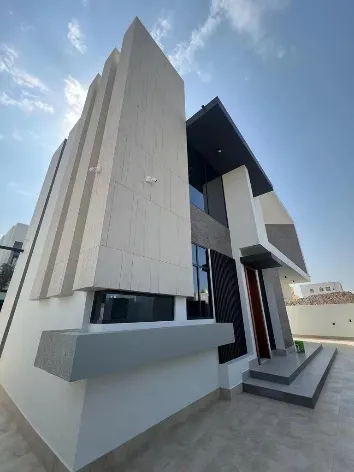
Exterior: The school's facade was clad in Coloria's MCM panels, chosen for their lightweight design (reducing structural load and construction time), heat resistance (critical in Saudi Arabia's hot climate), and ability to mimic the look of local stone. The panels' thermal insulation properties also helped reduce the school's air conditioning costs by 25% in the first year.
Interior Classrooms: Bamboo charcoal board wall panels were used for classroom walls, improving indoor air quality and creating a natural, calming atmosphere for students. Teachers reported fewer allergy-related absences, and students commented on how "fresh" the classrooms felt compared to the school's older buildings.
Labs and Corridors: Class A fireproof CPL inorganic boards were installed in science labs and corridors, providing extra fire safety and easy-to-clean surfaces. The boards' durability also meant that they withstood the wear and tear of daily student traffic, reducing maintenance costs over time.
The result? A school that not only met but exceeded green building standards, with a LEED Gold certification to show for it. Parents praised the focus on student health, while the school district noted significant savings on energy and maintenance costs. Most importantly, the building itself became a teaching tool—students learned about sustainability through the materials that surrounded them every day.
In a market flooded with "green" products, Coloria's MCM Flexible Cladding Stone Wall Panel Solutions stand out for one simple reason: they deliver on their promises. They're not just sustainable—they're practical, beautiful, and built to last. Whether you're constructing a residential home, a commercial complex, or a critical public space like a hospital or school, Coloria offers a holistic approach to green building that considers the environment, the people who use the building, and the long-term needs of the community.
MCM cladding, paired with bamboo charcoal boards and fireproof CPL panels, proves that sustainability doesn't have to mean sacrificing style, safety, or performance. It's a choice that benefits the planet today and ensures a healthier, more beautiful world for tomorrow.
So, the next time you're planning a building project, ask yourself: What kind of footprint do I want to leave? With Coloria's eco-friendly solutions, the answer can be both green and grand.
Recommend Products











