

In the bustling landscape of modern urban development, mixed-use projects have emerged as the heartbeat of communities—blending residential comfort, commercial vibrancy, educational purpose, and recreational joy into single, dynamic spaces. These projects aren't just buildings; they're stories waiting to be told, where every wall, floor, and corner plays a role in shaping daily experiences. But behind the seamless fusion of living, working, and playing lies a critical challenge: finding building materials that can keep up with the demands of versatility, durability, and aesthetic appeal. Enter Coloria, a name synonymous with innovation in the building materials industry. As a trusted WPC wall panel supplier and one-stop architectural solution provider, Coloria isn't just delivering products—they're crafting solutions that turn mixed-use visions into tangible, thriving spaces.
Mixed-use projects are a balancing act. A single development might house a boutique apartment on the 10th floor, a bustling café on the ground level, a pediatric clinic on the 3rd, and a co-working space on the 7th. Each of these spaces has distinct needs: the apartment requires warmth and privacy; the café needs durability to withstand heavy foot traffic; the clinic demands hygiene and fire safety; the co-working space craves modern aesthetics and acoustic control. Throw in exterior facades that must withstand harsh weather, and suddenly, choosing the right materials becomes a make-or-break decision for architects, developers, and project managers.
Traditional materials often fall short. Wood, while warm, is prone to rot and warping in humid climates. Stone, though durable, can be heavy and expensive to install. Vinyl, lightweight but lacking in, often feels cheap in high-end spaces. This is where WPC (Wood-Plastic Composite) wall panels step in—and why Coloria, as a leading WPC wall panel supplier, has become a go-to partner for mixed-use projects across regions like Saudi Arabia and beyond. WPC wall panel solutions offer the best of both worlds: the natural look and feel of wood, combined with the resilience of plastic, making them adaptable to almost any space, indoors or out.
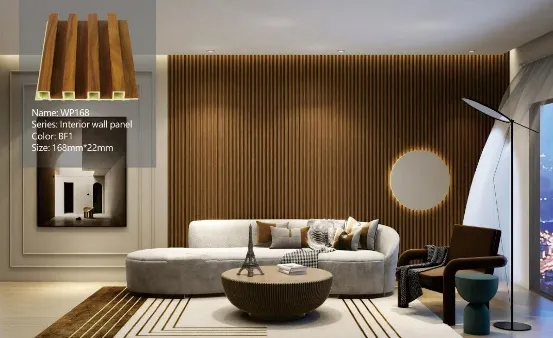
Founded on the belief that building materials should simplify, not complicate, the construction process, Coloria has spent years curating a portfolio of products designed for the modern world. While their expertise spans everything from interior decoration materials to exterior cladding solutions, it's their WPC wall panel offerings that have garnered attention in the mixed-use sector. But what sets Coloria apart isn't just the quality of their products—it's their commitment to understanding the unique stories behind each project. "We don't just sell panels," says a senior project consultant at Coloria. "We listen to what the space needs to feel like. Is it a family-friendly residential block where walls should feel like a hug? A commercial hub that needs to impress clients with sleekness? We tailor our WPC wall panel solutions to those emotions."
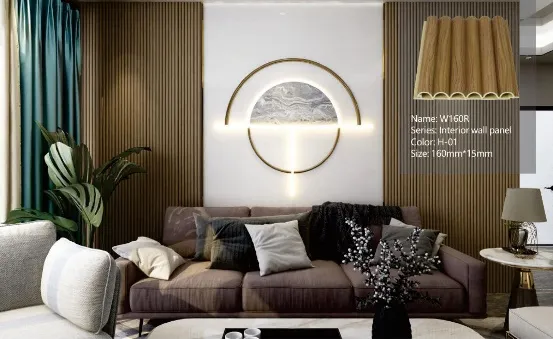
At the core of Coloria's offering for mixed-use projects is their range of WPC wall panels. For those new to the term, WPC (Wood-Plastic Composite) is a blend of wood fibers and recycled plastic, engineered to combine the best properties of both materials. But Coloria's WPC wall panel solutions take this a step further, with proprietary formulations that enhance durability, flexibility, and design versatility. Let's break down why these panels have become a staple in mixed-use developments:
Mixed-use spaces see it all: kids running through residential lobbies, coffee spills in cafes, heavy furniture being dragged in offices, and rain/sun beating down on exteriors. Coloria's WPC wall panels are built to withstand this chaos. Resistant to moisture, rot, and termites, they don't warp in humidity or crack in extreme temperatures—making them ideal for both interior and exterior applications. Unlike traditional wood, which requires regular staining or painting, these panels retain their color and texture with minimal maintenance, saving developers long-term costs.
One of the biggest hurdles in mixed-use design is maintaining a cohesive aesthetic while catering to different functions. Coloria's WPC wall panels come in a stunning array of finishes, from rich oak and walnut wood grains to modern concrete textures and even stone-like patterns. This means a developer can use the same panel system in a residential living room (warm wood finish) and a commercial retail space (sleek gray concrete finish) without sacrificing visual harmony. "We had a client working on a mixed-use project in Riyadh who wanted the exterior to feel like a desert oasis and the interiors to evoke a cozy mountain lodge," recalls a Coloria designer. "With our WPC panels, we matched a sandy beige stone texture for the facade and a warm pine finish for the apartments—same material, completely different vibes."
In an era where green building practices are no longer optional, Coloria's WPC wall panel solutions shine. Made from recycled plastic and sustainably sourced wood fibers, these panels reduce reliance on virgin materials and keep plastic waste out of landfills. Additionally, their low-maintenance nature means less water and chemical usage over time—a win for both the planet and project budgets. For developers aiming for LEED or Estidama certifications, Coloria's WPC panels are a smart choice, contributing to credits for sustainable materials and resource efficiency.
Mixed-use projects often have tight timelines, with multiple stakeholders waiting for completion. Coloria's WPC wall panels are designed with installation efficiency in mind. Lightweight yet strong, they can be cut, drilled, and mounted with standard tools, reducing labor time and costs. The panels interlock seamlessly, minimizing gaps and ensuring a smooth finish—whether they're being installed on a 20-story exterior facade or a small café interior. "We worked on a mixed-use project in Jeddah where the client needed the retail floors ready for tenant move-in within 8 weeks," says a Coloria project manager. "Thanks to the quick installation of our WPC wall panels, we finished the interior cladding in just 3 weeks, giving the tenants extra time to set up their spaces."
To truly understand the value of Coloria's WPC wall panel solutions, it helps to see how they compare to other common wall materials used in mixed-use projects. The table below breaks down key factors like cost, durability, maintenance, and sustainability:
| Material | Initial Cost | Durability (Moisture/Impact) | Maintenance Needs | Sustainability | Best For |
|---|---|---|---|---|---|
| Coloria WPC Wall Panels | Moderate | Excellent (resistant to rot, moisture, impact) | Low (occasional cleaning with soap and water) | High (recycled materials, low carbon footprint) | Interior/exterior, high-traffic areas, humid environments |
| Natural Wood | High | Poor (prone to rot, warping, termites) | High (annual staining, sealing, repairs) | Low (requires deforestation, chemical treatments) | Low-traffic interior spaces, decorative accents |
| Vinyl Panels | Low | Fair (resistant to moisture but prone to scratching) | Moderate (can fade in sunlight, hard to repair) | Low (non-biodegradable, made from virgin plastic) | Budget-friendly interior spaces with low aesthetic needs |
| Stone Cladding | Very High | Excellent (durable but heavy) | Moderate (occasional sealing, prone to cracks) | Low (high carbon footprint from mining/transport) | High-end exteriors, low-traffic interiors |
*Costs and durability ratings based on average industry data and Coloria's internal testing.
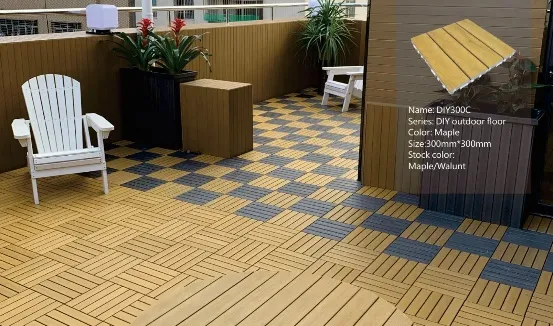
The versatility of Coloria's WPC wall panel solutions means they can be used in almost every corner of a mixed-use development. Let's explore some real-world applications:
In residential units—whether apartments, townhouses, or penthouses—comfort is key. Coloria's WPC wall panels with wood grain finishes add a touch of nature to living rooms, bedrooms, and home offices, creating spaces that feel inviting and calm. In bathrooms, their moisture-resistant properties prevent mold growth, while in kitchens, they stand up to splashes and heat. One recent project in Riyadh used Coloria's oak-finish WPC panels in 200 residential units, with tenants praising the "cozy, cabin-like feel" of their walls.
From retail stores and restaurants to co-working spaces and lobbies, commercial areas need materials that can handle heavy use without losing their appeal. Coloria's WPC panels in concrete or stone textures add a modern, industrial edge to coffee shops and boutiques, while their scratch-resistant surface stands up to shopping carts, office chairs, and busy foot traffic. A popular bakery chain in Dubai used Coloria's gray stone-finish WPC panels for their store interiors, noting that the panels still looked brand-new after a year of daily use by customers and staff.
Mixed-use projects often include schools, daycares, or clinics, where safety and hygiene are non-negotiable. Coloria's WPC wall panels are non-toxic, with low VOC emissions, making them safe for children and patients. Their smooth, non-porous surface is easy to clean with disinfectants, preventing the spread of germs. A pediatric clinic in Dammam chose Coloria's light blue WPC panels for their exam rooms, citing the material's "ability to stay clean and bright even with daily wipe-downs."
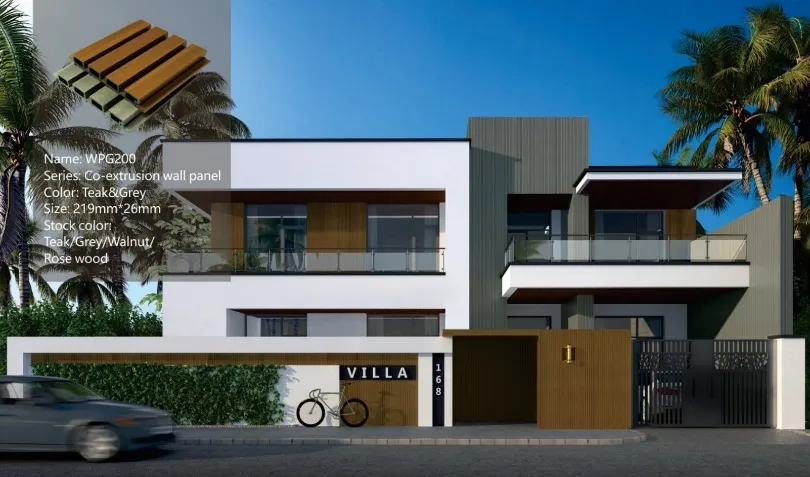
The exterior of a mixed-use project is its first impression, and it needs to look good year-round. Coloria's WPC wall panels are UV-resistant, meaning they won't fade in the harsh Saudi sun, and their moisture resistance prevents warping during rainy seasons. They're also fire-retardant, meeting safety standards for high-rise buildings. A mixed-use tower in Kuwait used Coloria's sandstone-finish WPC panels for its exterior, and after two years of extreme heat and sandstorms, the facade still looks as vibrant as the day it was installed.
Mixed-use projects are rarely "one-size-fits-all," and Coloria understands that. As a WPC wall panel supplier, they don't just offer off-the-shelf products—they partner with clients to create custom solutions that align with unique design visions. Whether it's a specific color, texture, size, or even a branded pattern, Coloria's in-house design team works closely with architects and developers to bring ideas to life.
"We had a client who wanted the exterior of their mixed-use project to feature a custom geometric pattern inspired by traditional Saudi art," says a Coloria designer. "We created WPC panels in two shades of terracotta, cut to specific angles, and arranged them to form the pattern. The result was a facade that stood out in the city skyline while paying homage to local culture."
Customization isn't just about aesthetics, either. Coloria can adjust the thickness and density of WPC panels to meet specific structural requirements—whether a project needs extra insulation for energy efficiency or enhanced soundproofing for residential units above a busy restaurant. Their team of engineers provides technical support from concept to installation, ensuring that custom solutions are not only beautiful but also functional and compliant with local building codes.
In today's world, sustainability isn't just a buzzword—it's a responsibility. Coloria takes this responsibility seriously, and their WPC wall panel solutions are a reflection of that commitment. By using recycled plastic (from sources like post-consumer bottles and industrial waste) and sustainably harvested wood fibers, Coloria reduces the environmental impact of their materials. Additionally, their manufacturing process is designed to minimize energy use and waste, with excess materials recycled back into production.
But sustainability at Coloria goes beyond the products themselves. The company offers guidance to clients on how to maximize the eco-friendliness of their projects, from choosing the right materials to optimizing installation practices. For example, their WPC wall panels can be paired with Coloria's bamboo charcoal board wall panel solutions for interior spaces, creating a fully sustainable wall system that improves indoor air quality (bamboo charcoal absorbs odors and moisture) while reducing reliance on non-renewable resources.
"We believe that mixed-use projects should not only serve the needs of today's communities but also protect the planet for future generations," says Coloria's sustainability director. "Our WPC wall panel solutions are a step in that direction—proving that durability, beauty, and sustainability can go hand in hand."
The proof of Coloria's expertise lies in the projects they've helped bring to life. Here are a few examples of how their WPC wall panel solutions have transformed mixed-use developments:
A 15-story development combining residential apartments, retail spaces, and a community center, Al Majd needed materials that could unify its diverse functions. Coloria supplied over 12,000 square meters of WPC wall panels in three finishes: a warm walnut for residential lobbies, a sleek concrete for retail storefronts, and a sandstone texture for the exterior facade. The panels' quick installation helped the project finish 2 months ahead of schedule, and tenants have praised the durability and aesthetic appeal of the spaces. "The WPC panels in our apartment hallway still look new, even with kids running around and moving furniture," says a residential tenant.
This coastal mixed-use project includes a hotel, restaurants, and a rooftop lounge with ocean views. Coloria provided WPC wall panels for the hotel's guest room interiors and the rooftop lounge's exterior cladding. The panels' moisture resistance was critical for the rooftop, which is exposed to sea spray and humidity, while the wood grain finish added a luxurious touch to the guest rooms. "We chose Coloria's WPC panels because we needed something that could handle the coastal climate without sacrificing style," says the project architect. "Two years later, the rooftop panels still look flawless, and the hotel guests love the warm, natural feel of the rooms."
A mixed-use campus with schools, libraries, and administrative offices, Education Hub @ Dammam prioritized safety, durability, and low maintenance. Coloria supplied fire-retardant WPC wall panels for classroom interiors and common areas. The panels' smooth, easy-to-clean surface has reduced janitorial costs, and their impact resistance has withstood the daily activities of hundreds of students. "We no longer have to repaint walls every semester because of scuffs and marks," says the school principal. "Coloria's WPC panels have been a game-changer for our maintenance budget."
Mixed-use development is about more than bricks and mortar—it's about creating spaces that inspire, connect, and endure. As a leading WPC wall panel supplier and one-stop architectural solution provider, Coloria understands this. Their WPC wall panel solutions offer the perfect blend of durability, versatility, sustainability, and aesthetic appeal, making them ideal for the complex demands of mixed-use projects. But beyond the products, Coloria brings something even more valuable: a commitment to partnership. From initial design to final installation, their team of experts works alongside clients to ensure that every project is a success—on time, on budget, and exceeding expectations.
In a world where mixed-use projects are becoming the norm, the right materials can make all the difference. Coloria's WPC wall panels don't just build walls—they build communities. So whether you're designing a small neighborhood complex or a towering urban hub, consider Coloria as your partner. After all, great spaces start with great materials—and great materials start with Coloria.
Recommend Products











