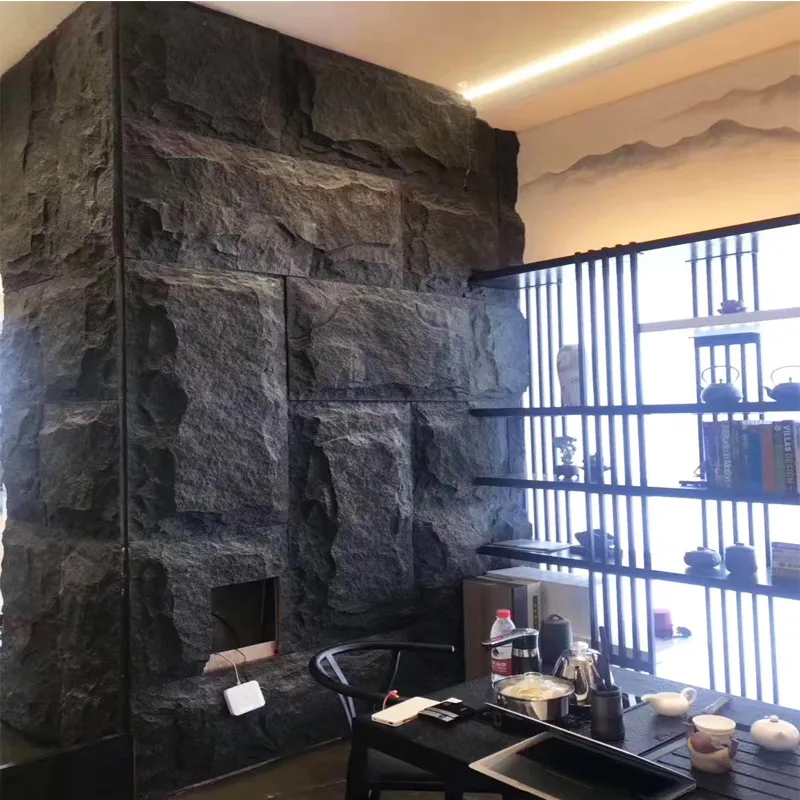
Hey there, garden lover! Let’s chat about something timeless: blending mushroom
stone walls with plants to create spaces that feel effortlessly alive. There’s something magical about how stone meets soil—something primal and human. Whether you’re crafting a hillside retreat or jazzing up a tiny backyard, this guide will help you fuse
mushroom stone retaining walls
with thoughtful planting. And guess what? You’ll avoid mistakes and design like a pro.
Why Mushroom Stone? It’s All About Connection
Picture old cottages draped in ivy, or terraced vineyards hugged by rustic walls. That’s the heart of mushroom stone—its weathered surface creates texture and layers, almost like nature’s own artwork.
These stones don’t just hold soil; they tell stories over time. That’s collaboration at its finest—letting nature paint the walls as seasons shift.
Take a cue from Heatherwick Studio’s Little Island project. They didn’t fight the landscape; they flowed with it. Mushroom stone isn’t a backdrop; it’s a conversation partner. Think of crevices where moss sneaks in, or the way climbers blur edges between built and grown. That’s where design feels human—not staged, but lived-in.
Planting as Your Co-Creator
Plants breathe soul into
stone walls. Want softness? Trail ferns like Maidenhair over rocky tops. Crave drama? Nestle burgundy Heuchera against silver-gray stone. For a wilder touch, let self-seeding blooms like Columbines pop through cracks—nature’s happy accidents.
"The best designs happen when plants and stones share the stage. One highlights the other’s strengths." — Inspired by timeless garden philosophies
And here’s a pro tip: use low-spreading groundcovers like Creeping Thyme at the wall’s base. It softens hard lines and whispers "earth-friendly" to anyone passing by—no need to shout
ecology
, just feel it.
Building with Intention, Not Just Stone
Structure matters, but so does grace. Lay stones in curves, not rigid angles—curves invite wandering eyes and feet. When terracing slopes, stagger wall heights to create hidden pockets. Plant lavender in sunny nooks, ferns in shaded corners. Suddenly, walls become discovery zones. And drainage? Essential! Use gravel backfill behind stones—roots hate soggy feet.
Seasons Speak Loudest
Design for change, not perfection. In spring, watch Daffodils peep above stone ledges. Summer belongs to buzzing pollinators on Catmint. Autumn? Crimson Virginia Creeper stealing the show. Winter reveals elegant skeletons—grasses casting lace-like shadows. This rhythm makes gardens feel alive year-round—a gentle reminder that growth never stops.
Final Thoughts: Collaboration Over Control
Forget imposing structure; aim for partnership. Plant roots knit walls together while textures play—rough stone against feathery grasses. Include space for surprises: volunteers like wild Strawberries or volunteer violets adding spontaneous charm. Remember, a wall isn’t just stacked rock—it’s home to bugs, birds, and dreams. So leave gaps for life to wiggle in. Your reward? A space echoing with
whispering breezes
, buzzing bees, and sheer contentment.
Ready to start? Grab stones, pick plants, and let creativity dig deep. Mother Nature’s already rooting for you!