
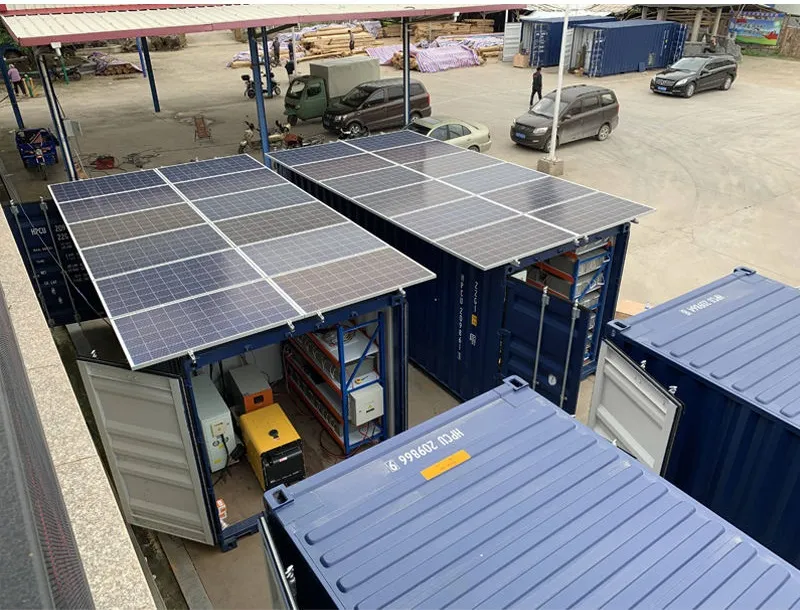
Solar energy in cold regions isn't just about withstanding winter – it's about turning climate challenges into advantages. While many assume solar panels perform poorly in freezing temperatures, the opposite is actually true. Solar panels operate more efficiently in cold weather as long as they're clear of snow. The trick lies in selecting and installing systems specifically designed for sub-zero temperatures and heavy snow loads.
Consider this paradox: solar panels perform best around 77°F (25°C), but cold temperatures can increase efficiency by 10-15% due to reduced electron resistance. The real challenge comes when snow accumulation blocks sunlight or adds dangerous structural stress. This guide combines scientific insights with practical installation wisdom for homeowners and businesses in snow-heavy areas.
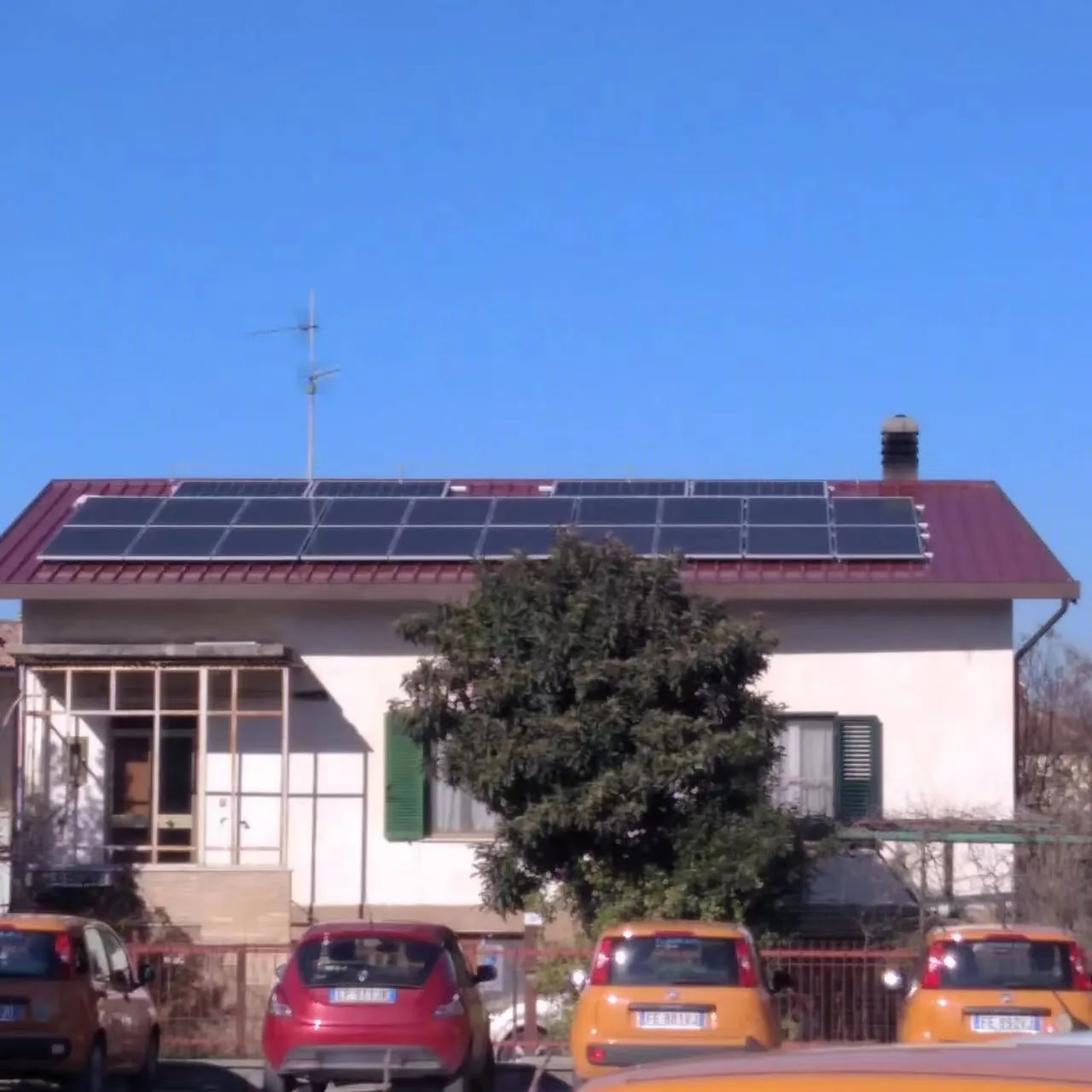
Every solar panel has a temperature coefficient rating, usually between -0.2%/°C to -0.5%/°C. This number represents how much efficiency drops for every degree above 77°F (25°C). In cold climates:
Real-world example: A 300W panel with -0.3%/°C coefficient operating at -5°C (23°F) will produce about 320W – gaining 20W purely from cold temperatures!
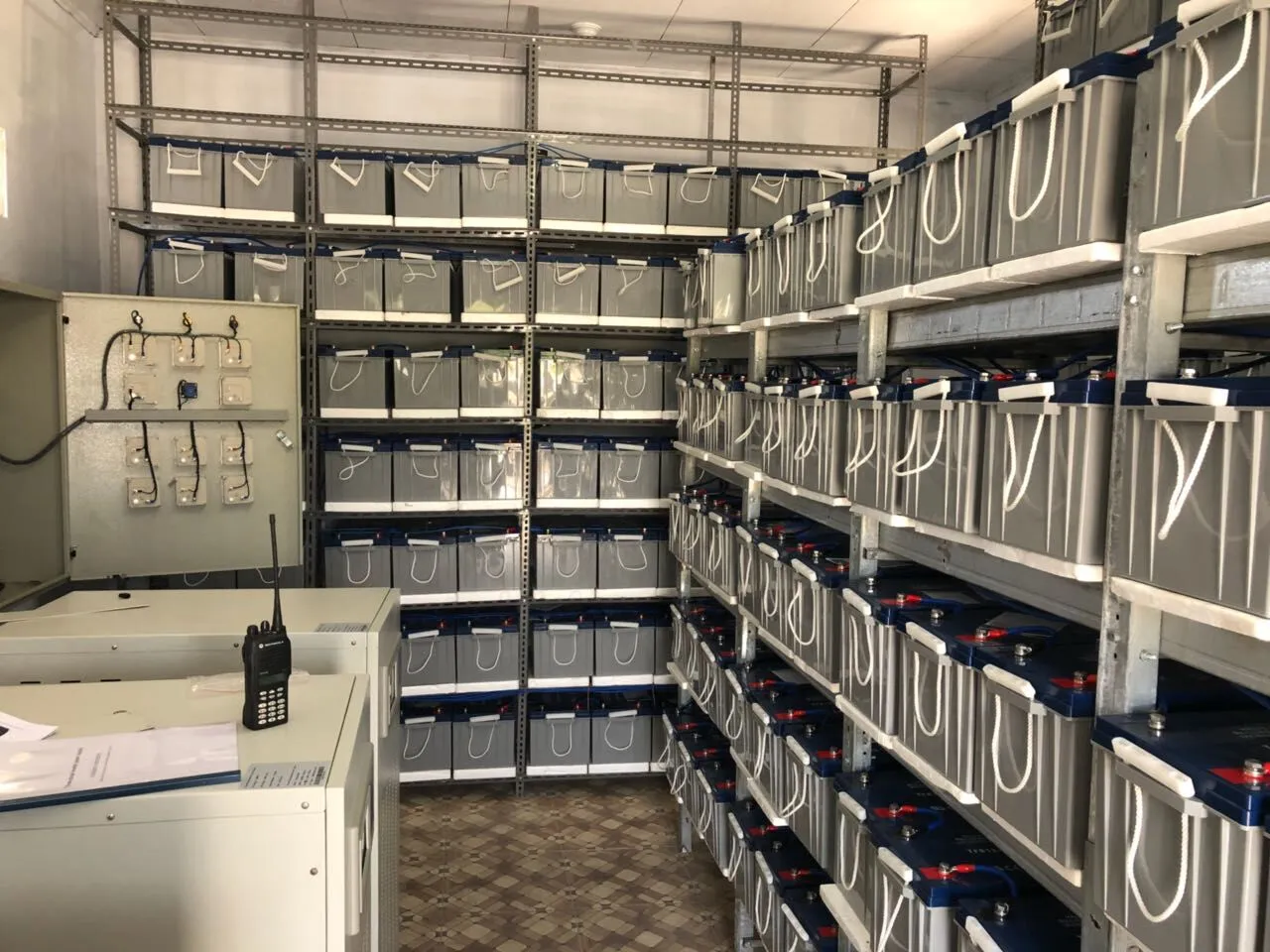
While solar panels thrive in cold, batteries suffer. Lithium-ion batteries can lose 30-50% capacity below freezing:
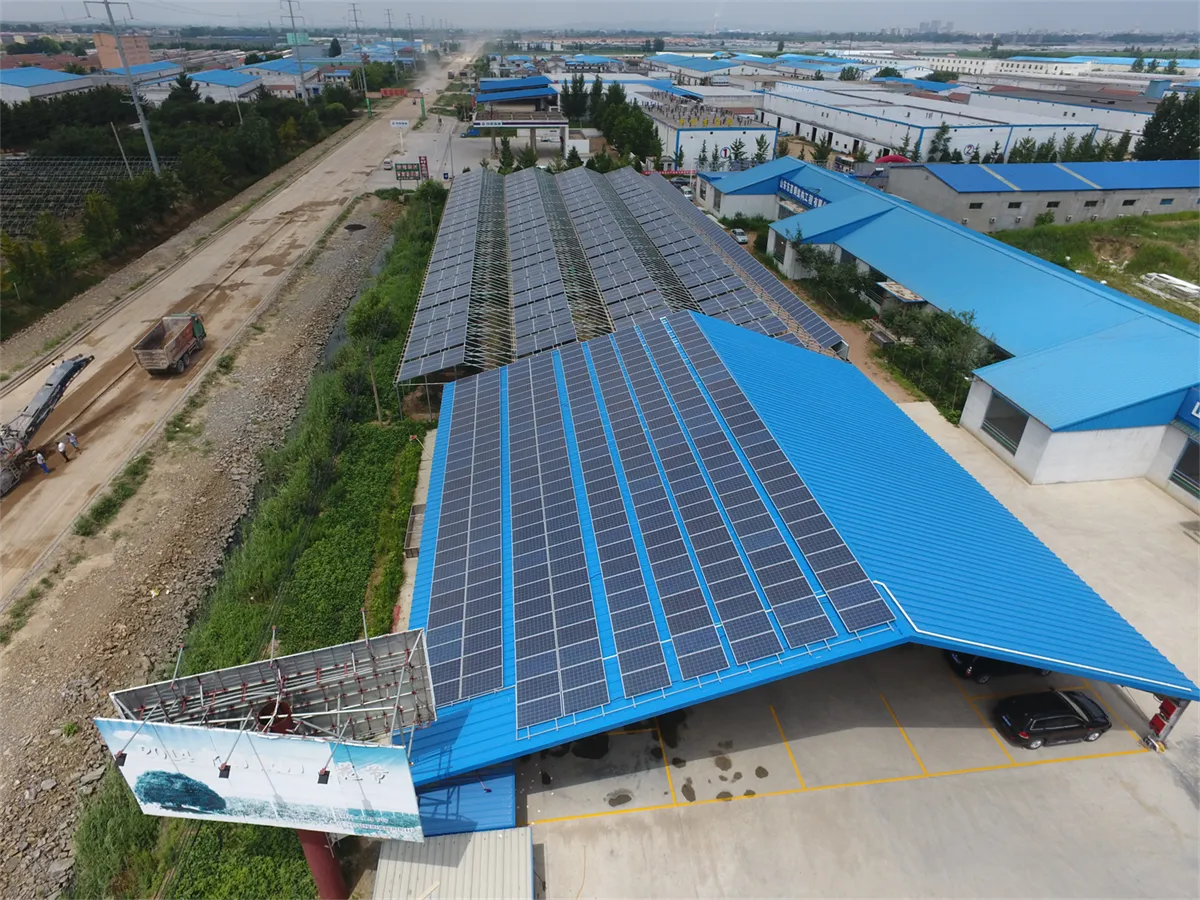
Snow loads measure in Pascals (Pa) or pounds per square foot (psf). Regional building codes specify minimum requirements:
Critical factors: Panel tilt impacts snow accumulation. Angles above 45° shed snow naturally but collect less sunlight year-round. Angles below 30° become snow traps.
Your mounting system needs triple the attention in snow regions:
Industry Insight: Leading solar panel manufacturers now offer Arctic Edition systems with specialized glass coatings that reduce snow adhesion by up to 70% compared to standard panels. These incorporate integrated heating elements for critical applications.
| Type | Temp. Performance | Snow Shedding | Weight Capacity |
|---|---|---|---|
| Monocrystalline | ★★★★★ (-0.26%/°C avg) | ★★★☆☆ (Good at >35°) | 5400 Pa standard |
| Polycrystalline | ★★★☆☆ (-0.39%/°C avg) | ★★☆☆☆ | 5400 Pa standard |
| Thin Film | ★☆☆☆☆ (-0.45%/°C avg) | ★★★★★ (Excellent) | 2400 Pa (fragile) |
| Bifacial | ★★★★☆ | ★★☆☆☆ | 4000-8000 Pa (varies) |
Finding the perfect tilt involves balancing snow shedding and annual production:
Snow doesn't fall evenly – wind creates drifts that multiply loads:
Improper clearing causes more damage than snow itself:
Pro Tip: Leave 1" of snow as a protective layer against scratching. The dark cells beneath will melt through thin layers in direct sunlight, even at -20°F.
Smart monitoring prevents small problems from becoming disasters:
Cold climate installations cost 10-25% more but deliver unique advantages:
Standard policies often exclude snow-related failures:
The Svartisen Solar Farm (67°N latitude) operates at 35% capacity factor – comparable to Arizona deserts:
Paradoxically, warming temperatures may make cold-climate solar less efficient:
Cold regions present unique challenges for solar installations, but the solutions exist and the rewards are significant. With strategic panel selection, proper engineering for snow loads, and smart maintenance practices, solar can thrive even in the most frigid environments. The combination of cold-weather efficiency gains and snow reflection effects can produce results that rival more traditionally suitable locations.
Remember that successful cold-climate solar requires specialized engineering – don't assume standard installations will suffice. Partner with experienced cold-region installers, invest in proper load testing, and consider the long-term maintenance requirements. Done properly, your solar array won't just survive winter; it will leverage the unique advantages of cold climates to deliver exceptional performance that defies traditional expectations.
Recommend Products












