
There's something undeniably magical about coastal living. The sound of waves crashing at dawn, the salty breeze that carries the scent of the ocean, the way sunlight dances on water—these are the moments that make building a home or commercial space by the coast feel like a dream come true. But anyone who's ever tackled a coastal construction project knows that beneath that dream lies a unique set of challenges. The marine environment is harsh: saltwater spray, relentless humidity, and corrosive air can turn even the sturdiest materials into a maintenance nightmare. And when it comes to plumbing systems—the unseen backbone of any building—those challenges become even more critical. Leaky pipes, corroded fittings, and frequent replacements aren't just inconvenient; they're costly, time-consuming, and can turn that coastal dream into a stressful reality. That's where choosing the right PPR pipe and fitting supplier becomes a game-changer. In this article, we'll dive into why PPR pipes are becoming the go-to solution for coastal construction, how the right supplier can make all the difference, and even touch on other essential materials—like sanitary fixtures and flooring—that thrive in these tough environments.
Let's start with the basics: what makes coastal plumbing so tricky? Unlike inland areas, where pipes might only have to contend with hard water or temperature fluctuations, coastal systems face a triple threat: salt, moisture, and oxidation. Saltwater isn't just in the ocean—it's in the air, too. When that salty mist settles on metal pipes, it triggers a chemical reaction called electrolysis, which accelerates rust and corrosion. Even pipes hidden behind walls or underground aren't safe; humidity levels in coastal regions often hover around 80% year-round, creating a breeding ground for mold and mildew that can degrade pipe materials over time.
Take, for example, a homeowner in Miami who built their dream beach house 10 years ago. They opted for traditional copper pipes, thinking they were durable enough. By year three, they noticed pinhole leaks in the bathroom. By year five, the kitchen pipes had corroded so badly they needed a full replacement. "I was spending thousands every few years just to keep the water flowing," they told me. "It felt like the ocean was eating my house from the inside out." Stories like this are all too common in coastal communities, where builders and homeowners often learn the hard way that not all plumbing materials are created equal.
And it's not just residential projects. Commercial coastal buildings—hotels, restaurants, marinas—face even higher stakes. A leak in a hotel's plumbing system can disrupt guest stays, damage furniture, and lead to costly downtime. In a restaurant, a corroded pipe under the kitchen could contaminate food prep areas or force a temporary closure. The pressure to get plumbing right the first time is immense, which is why more and more construction teams are turning to materials designed specifically to withstand the coastal grind.
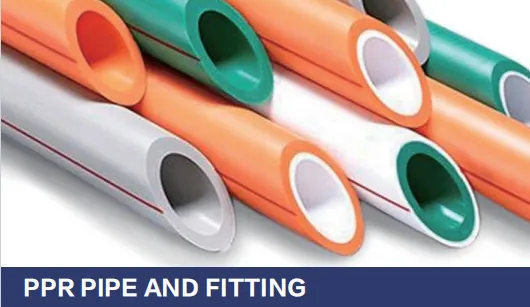
Enter PPR pipes—short for polypropylene random copolymer. If you're not familiar with them, you're not alone. For decades, copper, PVC, and galvanized steel dominated the plumbing market, but PPR has quietly been gaining ground, especially in coastal regions. So what makes PPR different? Let's break it down.
First, PPR is inherently resistant to saltwater and chemical corrosion. Unlike metal pipes, which react with salt to form rust, PPR is a thermoplastic material that doesn't rust, scale, or degrade when exposed to salt. That means no more pinhole leaks from corrosion, no more buildup of mineral deposits that restrict water flow, and no more premature replacements. In fact, PPR pipes are tested to last up to 50 years under normal conditions—and in coastal environments, where durability is key, that lifespan becomes a huge selling point.
But it's not just about resistance to salt. PPR pipes are also incredibly flexible, which is a big advantage in areas prone to minor earthquakes or soil shifts—common in coastal regions near fault lines. Unlike rigid materials like copper, which can crack under pressure, PPR bends slightly without breaking, reducing the risk of leaks during ground movement. They're also lightweight, making them easier (and cheaper) to transport and install than heavy metal pipes. For contractors working on tight coastal job sites, where space and logistics are often limited, that's a significant plus.
Another benefit? PPR pipes have smooth inner walls, which means less friction and better water flow. In commercial buildings like hotels or restaurants, where multiple fixtures are used at once (think 20 guests showering at the same time), maintaining consistent water pressure is critical. PPR's smooth surface prevents clogs and ensures that water moves efficiently through the system, even during peak usage.
So, PPR pipes sound great—but here's the catch: not all PPR pipes are created equal. Just like any material, quality varies by manufacturer, and in a harsh environment like the coast, cutting corners on pipe quality can lead to disaster. That's why partnering with a reputable PPR pipe and fitting supplier is just as important as choosing PPR itself. A trusted supplier doesn't just sell pipes—they provide expertise, reliability, and peace of mind.
What should you look for in a supplier? Start with certifications. Reputable PPR suppliers will have their products tested and certified by international standards organizations, ensuring they meet strict guidelines for pressure resistance, temperature tolerance, and chemical stability. For example, look for certifications like ISO 9001 (quality management) or DIN 8077/8078 (specifically for PPR pipes and fittings). These certifications aren't just pieces of paper; they're proof that the supplier takes quality seriously.
Customization is another key factor. Coastal projects come in all shapes and sizes—from a small beach cottage to a high-rise resort. A good supplier will offer a range of pipe sizes, fittings, and even custom solutions to meet the unique needs of your project. Maybe you need extra-long pipes to avoid joints in a narrow crawl space, or specialized fittings for a commercial kitchen with complex plumbing layouts. The right supplier will work with you to find the best fit, not just sell you a one-size-fits-all product.
Technical support is also crucial. Installing PPR pipes requires specific tools and techniques (like heat fusion, which bonds pipes and fittings together without the need for glue or soldering). A knowledgeable supplier will provide training for your team, answer questions about installation best practices, and even offer on-site support if needed. This isn't just about selling products—it's about ensuring your plumbing system works flawlessly for decades.
Still not convinced PPR is the right choice? Let's put it head-to-head with other common pipe materials in a side-by-side comparison. This table breaks down how PPR stacks up against copper, PVC, and galvanized steel in key areas that matter for coastal construction:
| Material | Saltwater Resistance | Durability (Lifespan) | Installation Ease | Maintenance Needs | Cost (Relative) |
|---|---|---|---|---|---|
| PPR | Excellent—no corrosion or rust | 50+ years | Easy—lightweight, heat fusion (no glue/solder) | Low—no scaling or rust buildup | Moderate (higher than PVC, lower than copper) |
| Copper | Poor—prone to salt-induced corrosion | 20-30 years (coastal areas) | Difficult—heavy, requires soldering | High—prone to pinhole leaks, needs regular inspections | High |
| PVC | Good—resistant to salt, but brittle in UV light | 25-40 years (if protected from sunlight) | Moderate—lightweight, but requires glue (toxic fumes) | Moderate—can crack in cold temperatures or soil shifts | Low |
| Galvanized Steel | Very Poor—rusts quickly in salt air | 10-15 years (coastal areas) | Difficult—heavy, requires threading | Very High—prone to rust, clogs, and leaks | Moderate-High |
As you can see, PPR outperforms the competition in saltwater resistance, durability, and maintenance—three areas that are non-negotiable for coastal plumbing. While PVC might be cheaper upfront, its brittleness in UV light (a big issue for exposed pipes in coastal homes) and shorter lifespan make it a riskier long-term investment. Copper, once the gold standard, simply can't stand up to the salt air, leading to frequent replacements that add up over time. PPR strikes that perfect balance: affordable, durable, and designed to thrive where other materials fail.
Of course, plumbing is just one piece of the coastal construction puzzle. A building's longevity depends on every material working together to withstand the elements. Let's take a quick look at two other key areas: sanitary fixtures and flooring. Both are critical to a building's functionality and comfort, and both need to be chosen with the same care as PPR pipes.
First, sanitary fixtures/bathrooms supplier options. Bathrooms are high-moisture zones even inland, but in coastal areas, that moisture is amplified by salt. Traditional fixtures with chrome plating might look shiny at first, but saltwater spray can cause pitting and discoloration over time. Instead, look for fixtures made from materials like solid brass with a PVD (Physical Vapor Deposition) coating, which is more resistant to corrosion. Or consider matte black finishes, which not only hide water spots but are often treated with anti-corrosive agents. A good sanitary fixtures supplier will also offer products with easy-to-clean surfaces—important in humid environments where mold and mildew can grow quickly. For example, wall-hung toilets with seamless designs leave fewer crevices for moisture to hide, while walk-in showers with large-format porcelain tiles reduce grout lines (and thus, mold growth).
Then there's flooring. Anyone who's stepped onto a hot, sticky carpet in a humid coastal home knows how unpleasant that can be. Carpets trap moisture, leading to mold and musty odors—definitely not what you want in a beach house. That's why flooring supplier recommendations for coastal areas often focus on materials like porcelain tile, luxury vinyl plank (LVP), or even polished concrete. Porcelain tile is water-resistant, scratch-proof, and comes in styles that mimic natural stone or wood—perfect for that coastal aesthetic without the maintenance. LVP, meanwhile, is durable, waterproof, and easy to install, making it ideal for high-traffic areas like living rooms or rental properties. And polished concrete? It's sleek, modern, and completely moisture-proof—plus, it stays cool underfoot on hot summer days. The right flooring supplier will help you balance style with functionality, ensuring your floors look great and stand up to sand, salt, and splashes for years to come.
At the end of the day, coastal construction is about more than just building a structure—it's about creating a space that can weather the elements and stand the test of time. And that starts with the materials you choose and the suppliers you partner with. A reliable PPR pipe and fitting supplier isn't just someone who drops off products at your job site; they're a partner who understands the unique challenges of coastal builds, who can guide you toward the best materials, and who stands behind their products with warranties and support. The same goes for your sanitary fixtures and flooring suppliers—they should be experts in their fields, with a track record of success in marine environments.
Imagine, for a moment, that Miami homeowner we mentioned earlier. What if, instead of copper pipes, they'd worked with a PPR pipe and fitting supplier who explained the benefits of saltwater resistance? They might still be enjoying their beach house without a single leak, saving thousands on repairs and avoiding the stress of constant plumbing issues. That's the power of choosing wisely.
So, whether you're building a cozy beach cottage, a bustling coastal restaurant, or a luxury resort, remember: the ocean is a beautiful neighbor, but it's also a tough one. Invest in materials that can keep up—starting with PPR pipes—and partner with suppliers who know the coast as well as you do. Your future self (and your wallet) will thank you.
In the end, coastal construction is about turning challenges into opportunities. With the right materials, the right team, and the right suppliers, you can build a space that not only survives the salt, the humidity, and the elements but thrives alongside them. And isn't that what coastal living is all about? Making the most of every moment—without worrying about what's happening behind the walls.
Recommend Products












