
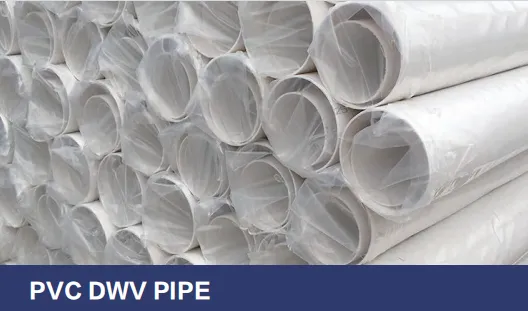
If you've ever dealt with a slow-draining sink, a gurgling toilet, or the unpleasant surprise of water backing up in your shower, chances are you've encountered a common plumbing nemesis: clogged or underperforming PVC DWV pipes. Short for Drain, Waste, and Vent, these unassuming pipes are the unsung heroes of any building's plumbing system. They quietly carry wastewater and sewage away from sinks, toilets, showers, and appliances, while the vent pipes ensure proper air flow to prevent siphoning and keep everything flowing smoothly. Whether you're a homeowner, a property manager, or someone who simply wants to keep their space functional, understanding how to clean and maintain these pipes is key to avoiding costly repairs and messy disasters.
PVC (Polyvinyl Chloride) has become the go-to material for DWV systems thanks to its durability, affordability, and resistance to corrosion. Unlike older metal pipes, PVC DWV pipes don't rust, and they're smooth on the inside—two traits that help reduce buildup over time. But even the best materials need a little TLC. Hair, food scraps, soap scum, grease, and even the occasional "flushable" wipe (spoiler: most aren't actually flushable) can take a toll, turning your reliable pipes into a source of frustration. In this guide, we'll walk through why regular cleaning matters, common issues to watch for, and safe, effective methods to keep your PVC DWV pipes in top shape—no plumber's license required (though we'll also cover when it's time to call in the pros).
Let's start with the obvious: nobody likes a clogged drain. But the consequences of neglecting your PVC DWV pipes go far beyond a slow sink. Over time, buildup can turn into full-blown blockages, leading to water backing up into your home or business. Imagine coming home to a flooded bathroom because a clogged pipe couldn't handle the wastewater from your shower—that's not just inconvenient; it's a recipe for water damage, mold growth, and expensive repairs. Even partial clogs can cause gurgling sounds, foul odors, and reduced water pressure, making daily tasks like washing dishes or taking a shower feel like a chore.
Then there are the hidden risks. Stagnant water in clogged pipes becomes a breeding ground for bacteria, mold, and pests, which can impact indoor air quality and pose health risks, especially for young children, the elderly, or anyone with respiratory issues. Odors from decomposing organic matter in blocked pipes can seep into living spaces, making your home or office feel uninviting. And if a clog is severe enough, it can put pressure on the pipes themselves, leading to cracks, leaks, or even bursts. Repairing a cracked PVC DWV pipe isn't just about fixing the pipe—it often involves tearing into walls or floors, adding unnecessary stress and expense to your life.
The good news? Regular cleaning is a simple, proactive step that prevents most of these issues. Think of it like changing the oil in your car: a small investment of time and effort now saves you from big problems later. By keeping your PVC DWV pipes clean, you'll extend their lifespan, maintain optimal performance, and keep your plumbing system running quietly and efficiently for years to come.
Not all clogs are created equal, and understanding what's causing the blockage is the first step to fixing it. PVC DWV pipes are designed to handle wastewater, but they're not indestructible—certain materials and habits can lead to buildup faster than others. Let's break down the most common offenders:
Hair, food scraps, and soap scum are the primary culprits in most household clogs. In bathroom drains, hair (human or pet) combines with soap scum to form a sticky, rope-like mass that clings to the inside of pipes. Over time, this mass traps other debris, growing larger until it restricts water flow. In kitchen sinks, food scraps—especially starchy items like pasta or potato peels, or fibrous foods like celery—can get caught in the pipe, while grease (from cooking oils, butter, or fatty meats) coats the pipe walls, creating a sticky surface that attracts more debris.
Grease is a tricky one because it starts as a liquid when hot, so many people pour it down the drain without a second thought. But as it cools, grease solidifies, sticking to the inside of PVC DWV pipes. Over weeks and months, this buildup narrows the pipe's diameter, slowing water flow and eventually causing a clog. Even small amounts add up—think about how much grease is left on plates after a meal, or the oil from frying chicken. It all adds up, and once it hardens, it's not easy to remove with just water.
Kids (and let's be honest, some adults) have a knack for dropping things down drains: toys, jewelry, toothbrushes, or even small tools. Toilets are especially prone to this—items like cotton balls, dental floss, feminine hygiene products, and "flushable" wipes (which often don't break down as claimed) can get stuck in the pipe, creating a barrier for wastewater. Even something as small as a bottle cap can cause a major blockage if it lodges in a bend or joint of the DWV system.
If your building is near trees or shrubs, root intrusion might be a hidden threat. Tree roots are drawn to the moisture and nutrients in wastewater, and they can grow into tiny cracks or gaps in PVC DWV pipes (often at joints or where fittings connect). Once inside, roots multiply quickly, forming dense mats that block water flow. This is more common in older pipes, but even newer systems aren't immune if there's a nearby tree with aggressive roots.
Vent pipes are part of the DWV system too, and they're just as important. These pipes extend from the roof and allow air to enter the plumbing system, which helps wastewater flow freely and prevents siphoning (that's why your toilet flushes properly instead of making a loud gurgle). But vents can get blocked by leaves, bird nests, debris, or even snow and ice in colder climates. A blocked vent can cause slow drains, gurgling sounds, or even water backing up, even if the drain pipes themselves are clear.
PVC DWV pipes are durable, but they're not invincible. When it comes to cleaning, the goal is to remove clogs without damaging the pipes, fittings, or the environment. Unfortunately, some common cleaning methods can do more harm than good. Let's clear up the myths and focus on what's safe:
Chemical drain cleaners like sulfuric acid or hydrochloric acid are powerful, but they're also corrosive. While some are labeled "safe for PVC," using them incorrectly can still damage your pipes—especially if you leave the cleaner sitting for too long, or if you use it in a pipe that's already completely blocked (the chemicals can sit in one spot and eat away at the PVC). Even worse, mixing different chemicals (like bleach and vinegar, or two different drain cleaners) creates toxic fumes that can be dangerous to breathe. If you do use a chemical cleaner, always read the label carefully, wear gloves and eye protection, and never use it if you've already tried another cleaner in the past 24 hours.
PVC pipes have a smooth inner surface that helps water flow freely. Using abrasive tools like wire brushes, metal scrapers, or overly stiff drain snakes can scratch this surface, creating tiny grooves where debris can cling and build up faster. Stick to tools designed for PVC: flexible drain snakes with plastic or rubber tips, and plungers with soft, non-abrasive cups.
If there's standing water in the sink, tub, or toilet, don't just pour a cleaner or start plunging blindly. Standing water means the clog is severe, and adding chemicals could cause them to splash back (risking burns). For plunging, too much water can make it hard to create a seal, reducing effectiveness. Use a bucket to remove as much standing water as possible before attempting to clean—this gives you better access to the clog and makes your efforts more effective.
Now that we know what to avoid, let's dive into the safe, effective ways to clean your PVC DWV pipes. The best method depends on the type of clog, how severe it is, and what tools you have on hand. We'll start with gentle, natural remedies and work our way up to more heavy-duty options.
For mild clogs, odors, or as a regular maintenance step, natural remedies are hard to beat. They're affordable, non-toxic, and safe for PVC pipes, septic systems, and the environment. The classic combo? Baking soda and vinegar. Here's how it works:
For extra cleaning power, add a tablespoon of salt to the baking soda before pouring in the vinegar—the salt acts as a gentle abrasive to scrub away buildup. This method is great for preventing clogs too: do it once a month to keep pipes clear and odors at bay.
If natural remedies aren't enough, enzyme cleaners are the next step. These cleaners use harmless bacteria or enzymes that feed on organic matter (like hair, food, and grease), breaking it down into water and carbon dioxide. They're safe for PVC pipes, septic systems, and even older plumbing, and they don't produce toxic fumes. The downside? They take time—usually 8–24 hours to work—so they're best for slow drains or minor clogs, not emergencies.
To use an enzyme cleaner: Follow the instructions on the bottle (different brands have different concentrations). Typically, you'll pour the cleaner down the drain, avoid using the drain for several hours, then flush with hot water. For best results, use them overnight when the drain won't be used—this gives the enzymes plenty of time to work. Popular options include Bio-Clean and Green Gobbler, but any enzyme cleaner labeled "safe for PVC" will do.
When clogs are more stubborn, mechanical tools are your best friend. These physically dislodge or remove the blockage, making them effective for hair, food scraps, and even small foreign objects.
A plunger is a must-have for any home or business. But not all plungers are the same—use the right one for the job:
How to plunge effectively:
If a plunger doesn't work, a drain snake (also called an auger) can reach deeper clogs. These tools have a long, flexible cable with a coiled end that you feed into the drain, twisting to catch and remove the clog. They come in manual (hand-cranked) and electric versions—manual is fine for most home clogs, while electric is better for tough, deep blockages.
How to use a manual drain snake:
Pro tip: Wear gloves when using a drain snake—you'll likely pull out gross stuff, and the cable can be sharp. Also, clean the snake with soap and water after use to prevent spreading bacteria.
If natural remedies and mechanical methods fail, chemical cleaners can be an option—but only as a last resort. Choose a cleaner labeled "safe for PVC DWV pipes" and follow these rules:
Examples of PVC-safe chemical cleaners include Drano Max Gel and Liquid-Plumr. Remember: if you use a chemical cleaner and it doesn't work, you'll need to wait at least 24 hours before trying another method (to let the chemicals neutralize), or you risk dangerous reactions.
For severe clogs, recurring blockages, or buildup that won't budge, hydro jetting is a professional solution. A plumber uses a high-pressure hose (similar to a power washer) to blast water through the pipes at 1,500–4,000 psi, scouring away grease, scale, roots, and debris. It's safe for PVC pipes when done by a trained pro, and it cleans the entire pipe, not just the clog—helping prevent future issues. Hydro jetting is especially useful for main line clogs or pipes with years of buildup.
Having the right tools on hand makes cleaning PVC DWV pipes easier and more effective. You don't need a professional plumber's toolkit, but these basics will cover most home or small business needs:
Investing in these tools now saves you from calls to the plumber for minor clogs. Store them in a handy place (like under the kitchen sink or in a utility closet) so they're easy to grab when you need them.
| Method | Best For | Difficulty | Safety | Time Required |
|---|---|---|---|---|
| Baking Soda + Vinegar | Mild clogs, odors, maintenance | Easy | Very safe (non-toxic) | 15–30 minutes |
| Enzyme Cleaner | Organic clogs, septic systems | Easy | Safe (non-toxic) | 8–24 hours |
| Plunger | Shallow clogs (sinks, toilets, tubs) | Moderate | Safe (no chemicals) | 5–15 minutes |
| Drain Snake | Deep clogs, hair, small objects | Moderate to Hard | Safe (wear gloves) | 10–30 minutes |
| Chemical Cleaner | Stubborn clogs (last resort) | Easy (but risky) | Caution (toxic fumes, corrosive) | 15–60 minutes (plus waiting time) |
| Hydro Jetting (Pro) | Severe buildup, main lines, roots | Professional only | Safe (when done by pros) | 1–2 hours |
The best way to deal with clogs is to prevent them from happening in the first place. A few simple habits can keep your PVC DWV pipes flowing smoothly for years:
Install drain strainers in sinks, tubs, and showers to catch hair, food scraps, and other debris. Empty them regularly—at least once a week—to prevent buildup. For kitchen sinks, a mesh strainer is better than a basket strainer, as it catches smaller particles.
Avoid pouring grease, oil, or fat down the drain—even small amounts add up. Instead, let grease cool, then scrape it into the trash. Don't flush "flushable" wipes, cotton balls, dental floss, or feminine products—they don't break down like toilet paper and can cause major clogs. In the kitchen, avoid putting starchy foods (pasta, rice, potatoes) or fibrous foods (celery, corn husks) down the garbage disposal—they can expand or tangle in pipes.
After using the sink (especially the kitchen), run hot water for 15–30 seconds to flush away any lingering food particles or soap scum. Once a week, pour a kettle of boiling water down each drain to help melt grease and prevent buildup.
Check roof vents seasonally for debris like leaves, bird nests, or snow. Use a long-handled brush or a garden hose (on low pressure) to clear blockages. If you're not comfortable climbing on the roof, hire a professional to do it safely.
Periodically check under sinks, around toilets, and in basements for leaks, corrosion, or loose fittings. Even a small leak can lead to water damage and mold, and loose fittings can allow debris to enter pipes. Tighten loose connections with a wrench, and replace damaged fittings promptly—reliable pipes fittings are key to a healthy plumbing system.
DIY cleaning works for most minor to moderate clogs, but some issues require a professional plumber. Here are signs it's time to pick up the phone:
Plumbers have specialized tools like video cameras (to inspect pipes from the inside), motorized drain snakes, and hydro jetting equipment to handle tough issues safely. It's better to call early than to risk damaging your pipes or making the problem worse with DIY attempts.
Your PVC DWV pipes might not be the most glamorous part of your home or business, but they're essential to keeping things running smoothly. By understanding what causes clogs, using safe cleaning methods, and following simple maintenance tips, you can avoid the stress, expense, and mess of blocked drains and broken pipes. Whether you're using a plunger for a quick fix, baking soda and vinegar for regular maintenance, or calling a pro for a tough clog, the key is to stay proactive.
Remember: a little care goes a long way. With the right tools, habits, and knowledge, you can keep your PVC DWV pipes clean, efficient, and reliable for years to come. After all, there's nothing better than a plumbing system that works so well, you forget it's even there.
Recommend Products












