
When it comes to fire safety, not all cables are created equal. In critical environments like industrial plants, commercial buildings, or public infrastructure, using the right electrical equipment can mean the difference between a minor incident and a catastrophic disaster. That's where flame-retardant cables come into play—they're specifically engineered to stop fire in its tracks. But here's the kicker: there's a whole alphabet soup of classifications and testing standards out there. How do you know what to look for? Let's demystify the world of flame-retardant cables together.
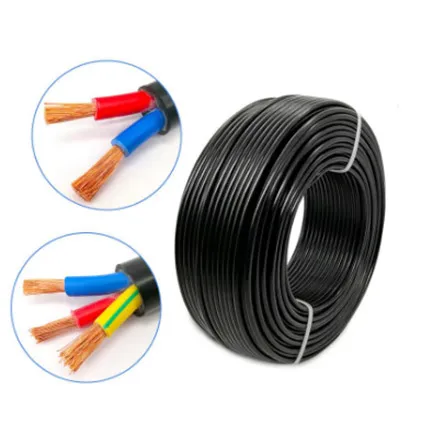
Think of these as your essential fire defenders. They're engineered to slow down flames if a fire breaks out. The cable insulation contains special additives that prevent fire from racing along its length. Picture it like those firebreaks in forests—the cables create a barrier that keeps flames contained to a small area.
Where you'll find them: These are your go-to solution for commercial buildings, office spaces, and mixed-use developments where cost-effectiveness matters but basic fire protection is non-negotiable.
These cables take safety to the next level. While regular flame-retardant cables stop fire spread, LSOH (Low Smoke Zero Halogen) and LSF (Low Smoke Fume) versions combat toxic threats. Ever been in a room filled with acrid smoke during a minor electrical fire? It's terrifying. These cables minimize:
Game-changer locations: Confined spaces like airplanes, subways, hospitals, and server rooms where evacuation might be difficult and clean air is critical for survival.
These are the ultimate survivors. While others prevent flame spread, fire-resistant cables keep working during an inferno. How? They're constructed with materials like mica tapes that shield conductors at temps exceeding 750°C. Critical systems stay online—think emergency lighting, smoke extraction fans, or hospital life support.
Mission-critical applications: Nuclear plants, high-rise emergency circuits, oil refineries, anywhere circuit integrity must endure flames for 90-180 minutes.
Real-world impact: During the tragic Grenfell Tower fire in London, compromised circuit integrity prevented smoke extraction systems from functioning. Fire-resistant cabling could've changed the outcome.
| Property | Flame-Retardant | LSOH/LSF | Fire-Resistant |
|---|---|---|---|
| Fire Spread Prevention | Excellent | Excellent | Excellent |
| Smoke Emission | High (>60%) | Minimal (<20%) | Variable |
| Toxic Gas Release | High HCl | Near-zero | Low |
| Operational During Fire | No | No | Yes |
| Typical Applications | Commercial buildings | Transportation tunnels | Emergency systems |
How do we prove these cables actually work? That's where international testing standards come in. They're like crash tests for cables—brutal, standardized, and non-negotiable.
Certification matters: UL-tested cables undergo quarterly factory audits. IEC certifications (like CB Scheme) smooth global acceptance but rely more on initial type testing.
How much will smoke blind escape routes? This measures light transmission through smoke. Hospital-grade LSOH cables maintain >60% visibility—imagine actually seeing exit signs during evacuation.
How flammable is the material? Oxygen Index (OI) above 27% means the cable doesn't support self-burning in normal air. Premium cables achieve OI >35%, needing enriched oxygen to burn.
Selecting cables isn't just about highest ratings—it's strategic matching:
️ Risk-mitigation tip: When specifying infrastructure projects like subway systems or hospitals, combine IEC flame-retardant ratings with fire-resistance for mission-critical circuits. The small cost premium pays dividends in resilience.
New composites integrate nano-clays and graphene that form protective ceramic barriers during fires. Early testing shows 40% longer circuit integrity at lower material cost.
Traditional fire-resistant cables use hydrated mica that releases hydrogen—effective but causes long-term insulation degradation. New mineral-based tapes perform better without decomposition.
Emerging cables embed fiber-optic sensors that detect abnormal temperature spikes before flames emerge. Integration with building management systems can trigger early suppression.
Recommend Products












