
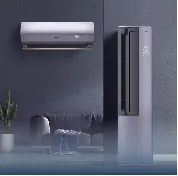
Whether you are constructing a new commercial complex, renovating a hotel, or fitting out a residential development, selecting the right air conditioner solutions is one of the most consequential decisions in any building project. The right system affects not only occupant comfort but also energy consumption, operational costs, and long-term maintenance requirements. For developers and contractors, finding a reliable air conditioner supplier who can deliver quality products at competitive prices is equally critical to project success.
Modern air conditioning technology offers a wide range of options tailored to different building types and usage scenarios. Split-system air conditioners remain the most common choice for residential and small commercial spaces, offering a balance of efficiency and affordability. Multi-split and VRF (Variable Refrigerant Flow) systems provide greater flexibility for larger buildings, allowing independent temperature control across multiple zones while maintaining energy efficiency. For large-scale commercial projects, central air conditioning systems deliver consistent cooling across extensive floor areas, though they require more substantial upfront investment in ductwork and infrastructure.
Recent innovations have also introduced inverter technology, which adjusts compressor speed to match cooling demand, significantly reducing energy consumption compared to traditional fixed-speed units. Smart air conditioners with Wi-Fi connectivity and IoT integration are becoming increasingly popular, enabling remote monitoring, automated scheduling, and predictive maintenance — features that are especially valuable for hotel operators and commercial property managers.
Choosing the right air conditioning system requires careful evaluation of several factors. Cooling capacity, measured in BTUs or tons, must be matched to the room size, ceiling height, insulation quality, and expected occupancy levels. An undersized unit will struggle to maintain comfortable temperatures, while an oversized unit will cycle on and off too frequently, wasting energy and failing to dehumidify properly.
Energy efficiency ratings such as SEER (Seasonal Energy Efficiency Ratio) and EER (Energy Efficiency Ratio) directly impact long-term operating costs. Higher-rated units may cost more initially but deliver substantial savings over the equipment's lifespan. In regions with hot climates, this consideration becomes even more important as air conditioning can account for a major portion of a building's electricity consumption.
Pro Tip: When sourcing air conditioners for a large project, working with a home/kitchen/hotel appliances solutions provider that offers multiple categories under one roof can streamline procurement, reduce logistics complexity, and improve negotiation leverage on pricing.
Other important considerations include noise levels (particularly critical for hotels, hospitals, and residential bedrooms), installation requirements (ceiling space, outdoor unit placement, drainage), maintenance accessibility, and warranty coverage. For projects in coastal or industrial areas, corrosion-resistant outdoor units with special coatings may be necessary to ensure long-term durability.
Hotels and Hospitality: Guest comfort is paramount in the hospitality industry. Hotel air conditioning systems must operate quietly, allow individual room temperature control, and integrate seamlessly with building management systems. Ducted split systems and VRF solutions are popular choices, as they provide centralized control while giving guests the ability to adjust their own room temperature. Energy management features such as occupancy sensors that reduce cooling in unoccupied rooms can generate significant cost savings for hotel operators.
Commercial Offices: Office buildings present unique challenges due to varying occupancy patterns, heat-generating equipment, and the need for zoned temperature control. Open-plan areas, conference rooms, and server rooms each have distinct cooling requirements. VRF systems with multiple indoor units connected to a single outdoor unit offer an efficient solution, allowing different zones to be cooled or heated independently based on actual demand.
Residential Developments: For apartment buildings and housing projects, split-system air conditioners remain the most practical choice. They are cost-effective, easy to install, and require minimal modification to building structure. Multi-split systems allow multiple indoor units to connect to a single outdoor unit, which is ideal when outdoor space is limited. For high-end residential projects, ducted systems provide a cleaner aesthetic by hiding all equipment behind walls and ceilings.
Healthcare Facilities: Hospitals and clinics demand precise temperature and humidity control, as well as advanced air filtration to maintain sterile environments. Specialized HVAC systems with HEPA filtration, UV sterilization, and precise humidity management are essential in operating rooms, isolation wards, and pharmaceutical storage areas.
For project developers and contractors, sourcing air conditioning equipment is just one piece of a much larger procurement puzzle. A typical construction project requires hundreds of different products across dozens of categories — from wall panels and flooring to sanitary fixtures, lighting, and electrical systems. Managing multiple suppliers for each category creates logistical headaches, increases administrative overhead, and often results in missed volume discount opportunities.
This is where a one-stop architectural solution provider becomes invaluable. By consolidating procurement through a single supplier with a comprehensive product range, project teams can simplify their supply chain, reduce shipping costs through consolidated container loads, and maintain consistent quality standards across all product categories. A building material supplier with broad category coverage and international logistics expertise can help projects stay on schedule and within budget, regardless of project size or location.
COLORIA GROUP, headquartered in Foshan, China — one of the world's largest building materials manufacturing hubs — offers air conditioners alongside 12 other product categories including walls, flooring, ceilings, pipes and fittings, sanitary ware, customized furniture, kitchen appliances, windows and doors, decorative profiles, elevators, electrical fixtures, lights, and solar panels. With an overseas agent in Saudi Arabia and decades of industry experience, COLORIA GROUP is positioned to serve clients across the Middle East, Africa, Asia, and beyond.
Even the best air conditioning equipment will underperform if not installed correctly. Proper installation includes correct refrigerant charging, adequate airflow design, proper drainage setup, and secure mounting of both indoor and outdoor units. Engaging qualified HVAC technicians who follow manufacturer specifications is essential to ensure optimal performance and to maintain warranty coverage.
Regular maintenance — including filter cleaning or replacement, coil cleaning, refrigerant level checks, and electrical connection inspections — extends equipment lifespan and maintains energy efficiency. For commercial properties, establishing a preventive maintenance schedule with quarterly or bi-annual service visits can prevent unexpected breakdowns during peak cooling seasons and reduce total cost of ownership over the equipment's lifecycle.
Looking for Reliable Air Conditioner Solutions for Your Next Project?
COLORIA GROUP provides high-quality air conditioning equipment as part of a comprehensive range of building materials and home appliances. Whether you are outfitting a hotel, an office tower, or a residential development, our team can help you source the right products at competitive prices with reliable international shipping. Contact us today at +86-13630185350 (WhatsApp/WeChat) or visit our website at www.coloriagroup.net to discuss your project requirements and request a quotation.
Recommend Products












