
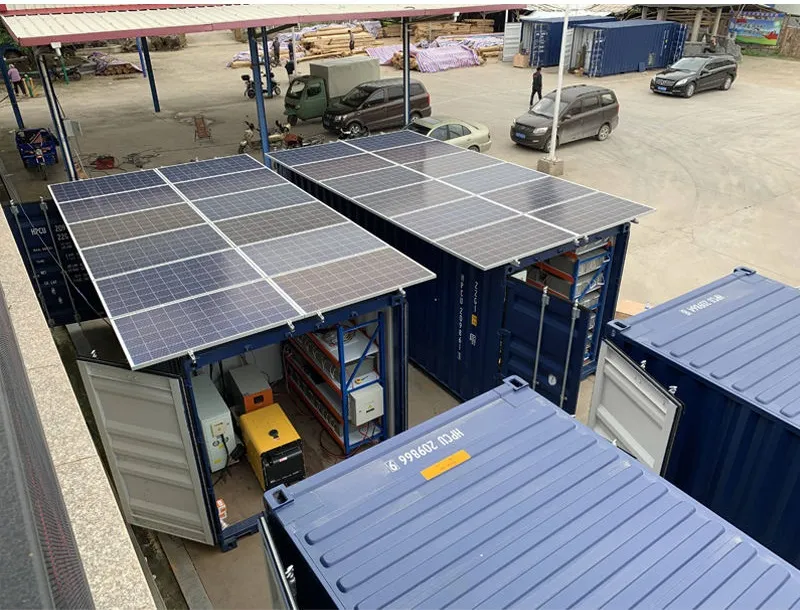
Picture this: your company headquarters powered entirely by the sun – no smoky chimneys, no guilt-laden carbon reports, just clean energy flowing as naturally as daylight. That’s the power solar panel solutions bring to the table when chosen wisely. But how do we navigate this complex decision? Let's talk real choices that deliver real impact.
Remember when solar panels felt like a noble but pricey experiment? Those days are gone. Now they're a strategic powerhouse for businesses serious about their carbon footprint. But not all solar panels are created equal. The choices you make ripple across your sustainability reports, energy bills, and public image.
Take Monocrystalline panels – super efficient space-savers but come with a steeper energy debt from manufacturing. Polycrystalline? More budget-friendly upfront but demand more roof real estate. Thin-film panels offer flexibility both literally and in installation options, though they trade off efficiency. Like picking tools for a job, you wouldn’t grab a sledgehammer to hang a picture frame.
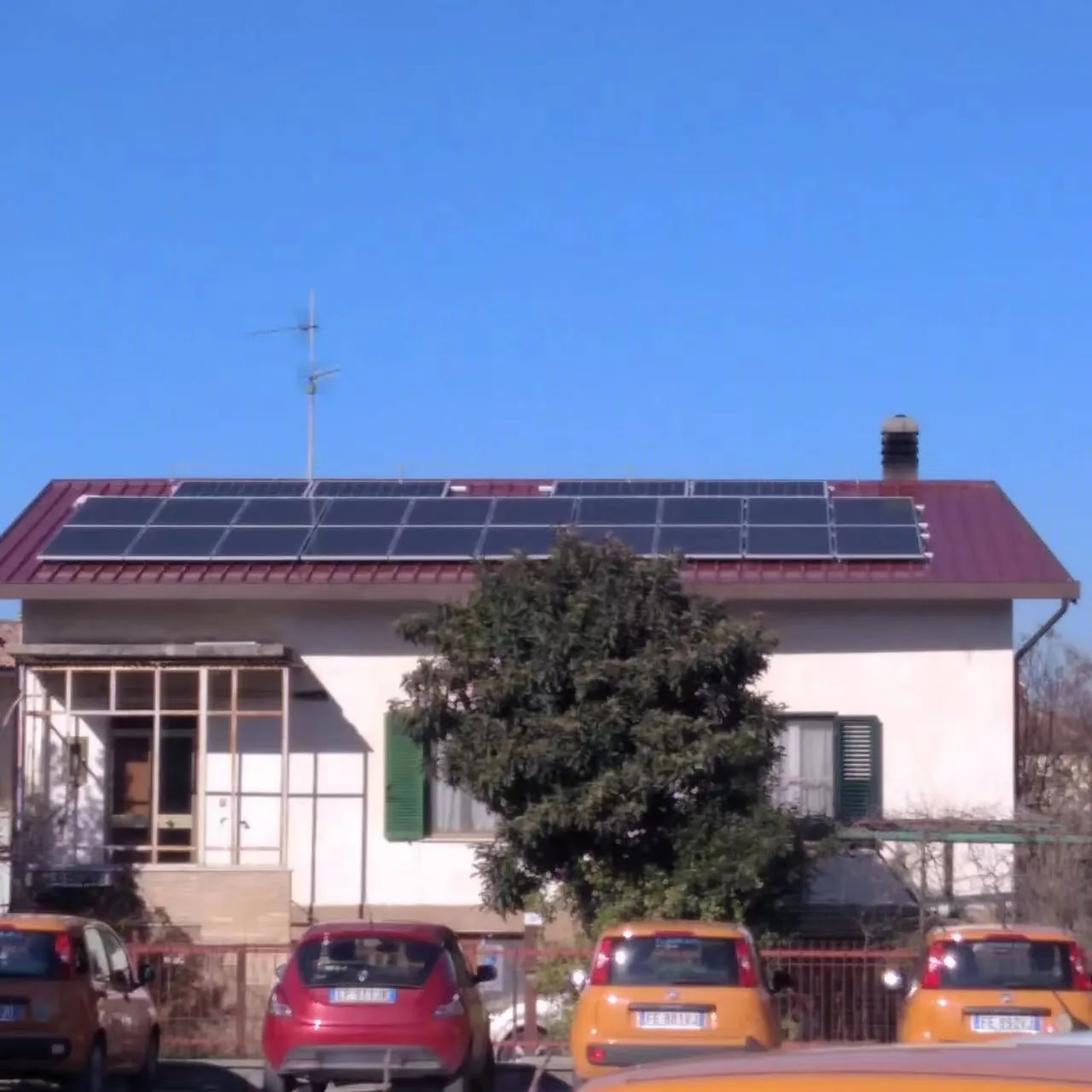
Here's where most conversations fall short. That sparkling new solar array didn’t magically appear – its creation had its own carbon cost. Think factories humming with machinery, raw materials mined and transported, chemical processes humming away. That’s your installation’s "carbon backpack" before its first day.
The payoff comes as it silently converts sunshine into power day after day. The carbon payback period – the time needed to "erase" that manufacturing footprint – can range from one to four years. After that? Pure climate dividends for decades.
This lifecycle math explains why commercial and industrial solar energy systems with higher efficiency ratings and longer warranties often win in corporate settings. They turn rooftops into profit centers and responsibility into a competitive edge.
Traditional panels often use aluminum frames. Switching to recycled aluminum cuts the frame's carbon footprint by a whopping 95%. Small choice, massive impact.
Leading European manufacturers using hydroelectric power versus Asian factories running on coal? That's about a 60% carbon reduction before installation begins.
Silver, silicon, glass – up to 96% recoverable. Future-proof designs that promise zero-waste retirement plans for panels.
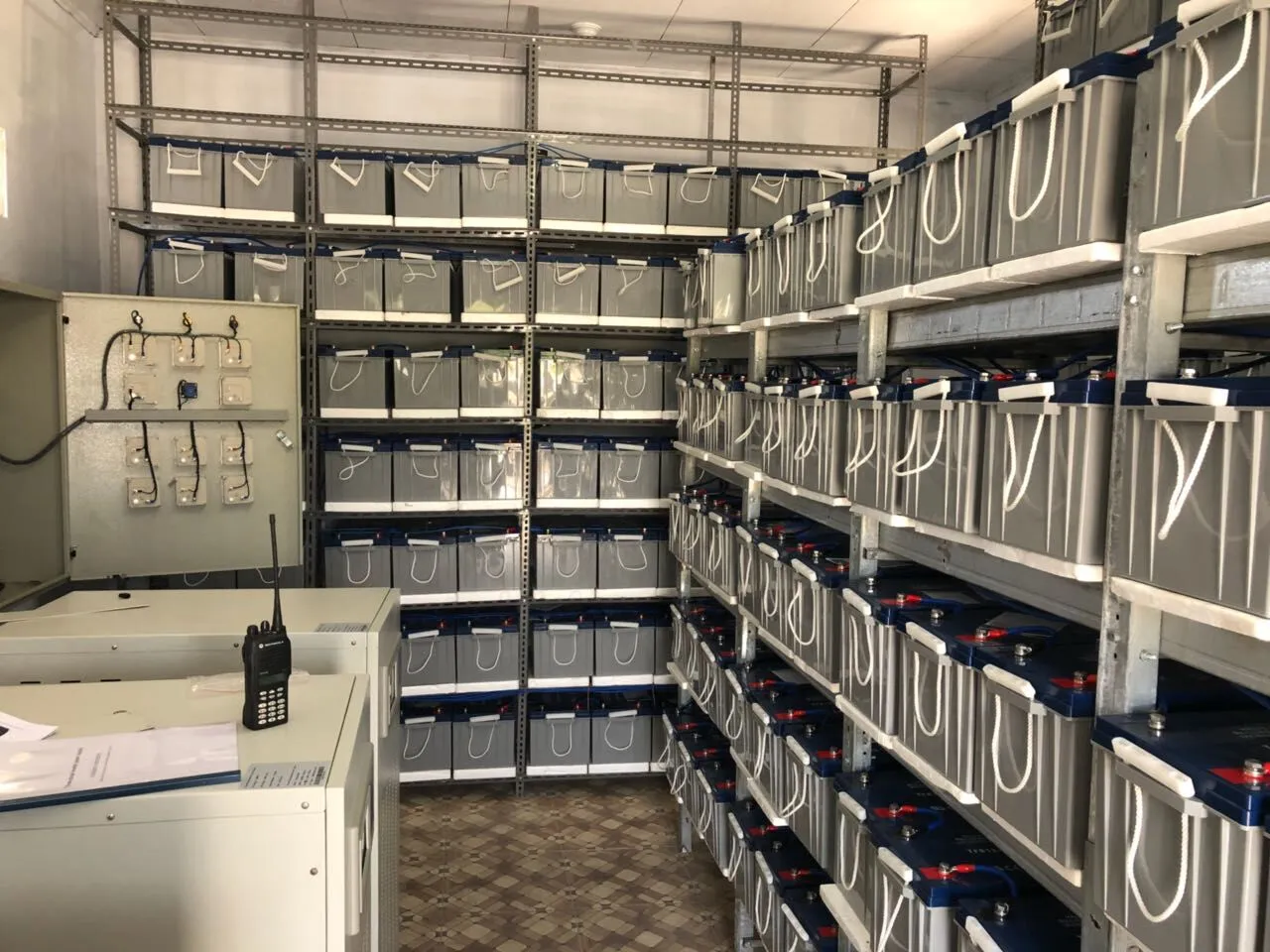
Buying solar panels isn’t like buying office chairs. You’re investing in an energy ecosystem. The panels are the stars, but they need a solid supporting cast:
That integration matters more than individual star components. Choosing partners who design these systems to work together? That’s where the real efficiency magic happens.
In a crowded market, certifications cut through the noise. Think of them as your sustainability translators:
The gold standard verifying reduced carbon across the entire lifecycle – raw materials to recycling.
Environmental management systems ensuring manufacturers practice what they preach.
Companies like SunPower and REC lead with EPEAT Climate+ certified panels, while Panasonic’s EverVolt series offers carbon transparency others can only match. These provide verifiable proof to customers and investors.
The theory sounds nice, but how does it play in practice? Here’s a window into reality:
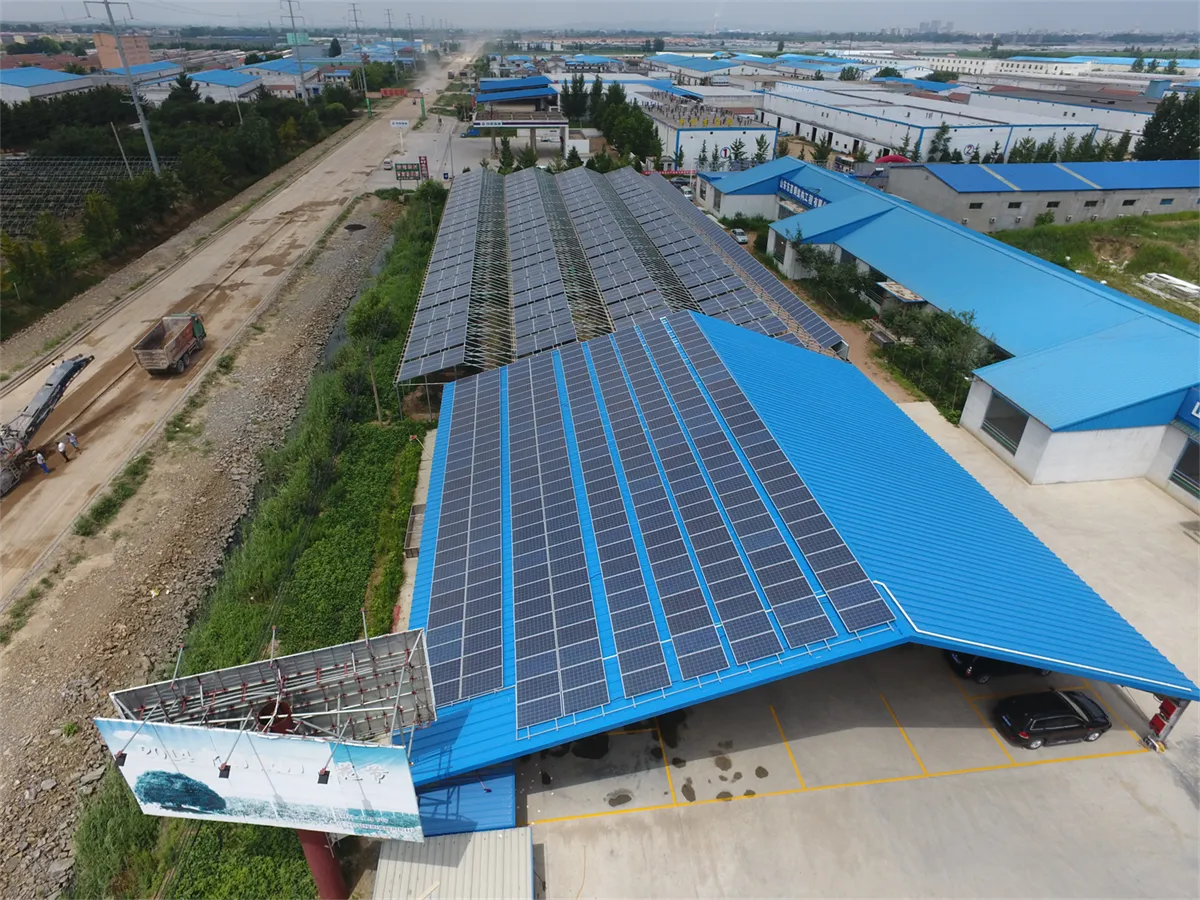
The Distribution Center Transformation: A major Midwest logistics hub installed 6,500 low-carbon panels across its massive rooftop – over 2MW of capacity. Smart software shifted warehouse operations to daytime peaks, synchronizing with solar generation. Monthly energy bills? Down 82%. But here's the kicker: their carbon metrics showed a 41% reduction, attracting premium clients who wanted greener supply chains.
Navigating this requires a structured approach:
Taking this path transforms solar from a sustainability token into a strategic asset on your balance sheet. Each kilowatt-hour generated isn’t just saving money – it’s building stakeholder trust and market position.
When you choose genuinely low-carbon solar panels, you're not just buying hardware – you're investing in an energy solution that transforms sustainability targets from distant aspirations into measurable achievements. It becomes your competitive advantage in a world increasingly rewarding decarbonization.
Recommend Products












