
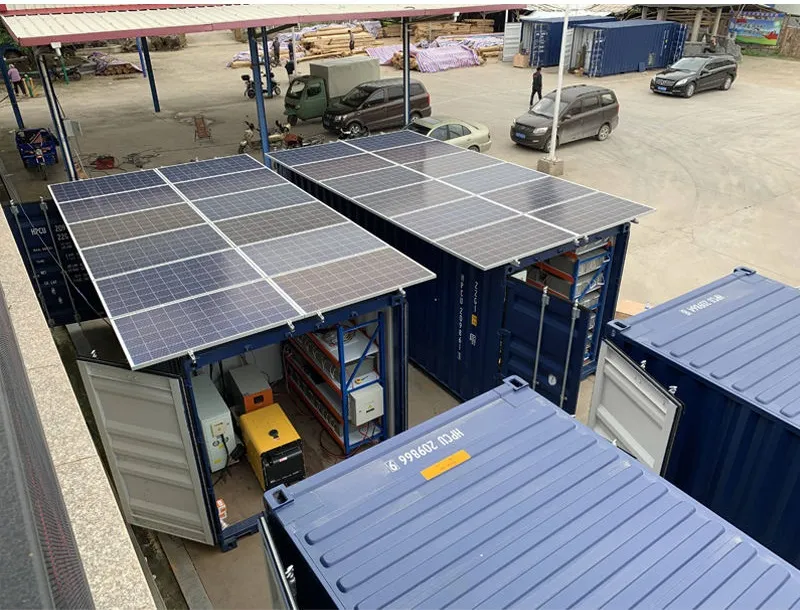
When it comes to solar energy, one challenge keeps popping up time and again: how do you get significant power generation when you've got tight space restrictions? Whether you're dealing with a compact city rooftop, a boat, an RV, or just a small patch of land, the struggle to maximize energy output without acres of space is real. Let's break down how high-power solar panels could be your game-changer.
First things first - efficiency is king when space is limited. High-power panels typically have efficiencies between 20-23%, meaning they convert a bigger chunk of sunlight into usable electricity. Think of it like getting a sports car performance from a compact vehicle. When you're squeezed for space, every extra percentage point means:
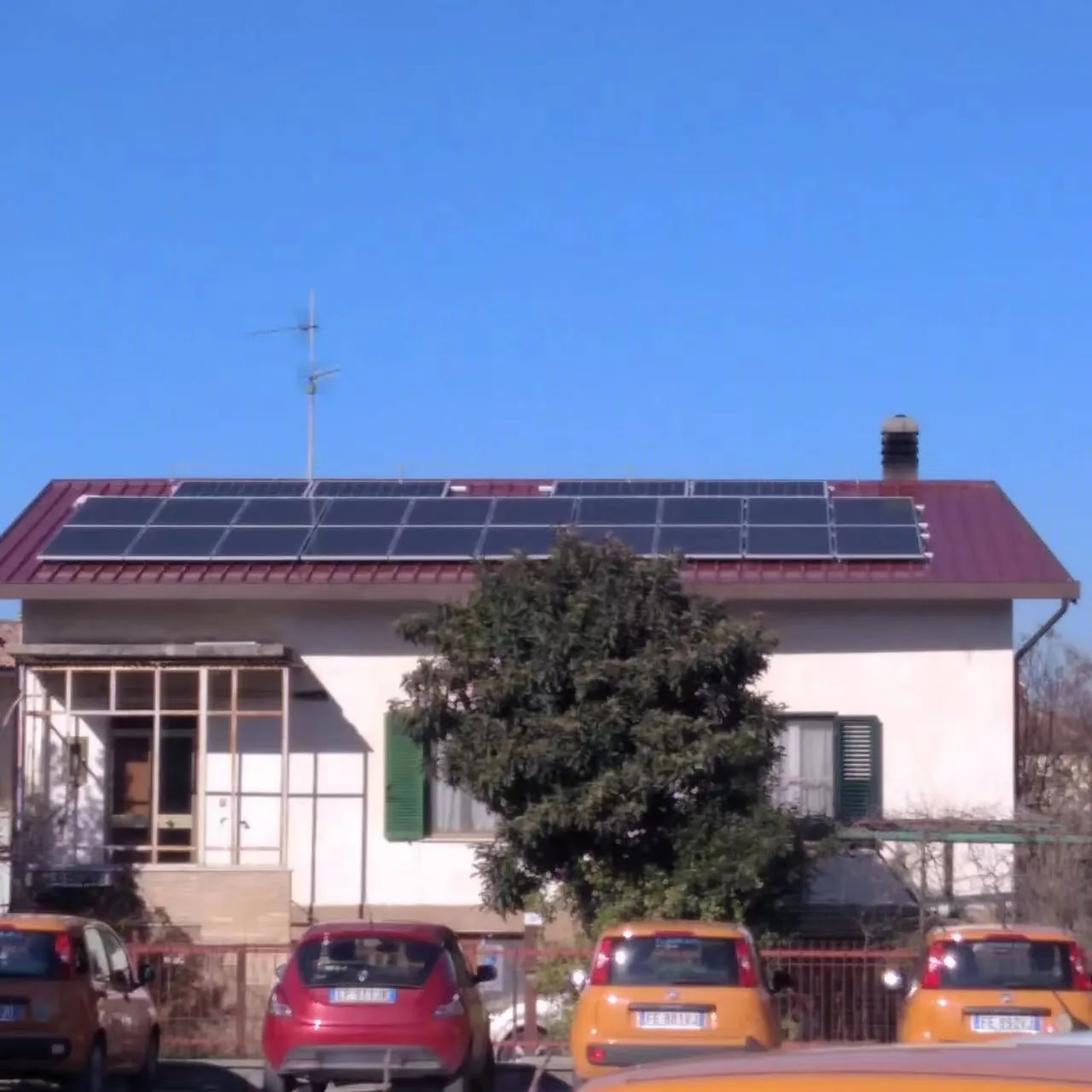
Not all high-power panels are created equal. Here's what should shape your choice:
| Factor | Why It Matters | Sweet Spot |
|---|---|---|
| Temperature Coefficient | How much power loss occurs when panels heat up (hint: all panels do) | ≤ -0.35%/°C |
| Degradation Rate | How much performance drops annually | ≤ 0.5% per year |
| Low-Light Performance | Energy production during cloudy or dawn/dusk hours | Look for improved spectral response |
| Bifacial Potential | Capturing reflected light from surfaces below | Adds 10-25% energy yield |
Consider how bifacial solar panels turn limitations into opportunities. These clever panels absorb light from both sides, meaning the reflection from rooftops, sand, or water below adds free bonus energy. For urban installations with reflective buildings nearby, or installations over light-colored roofs, these become especially powerful.
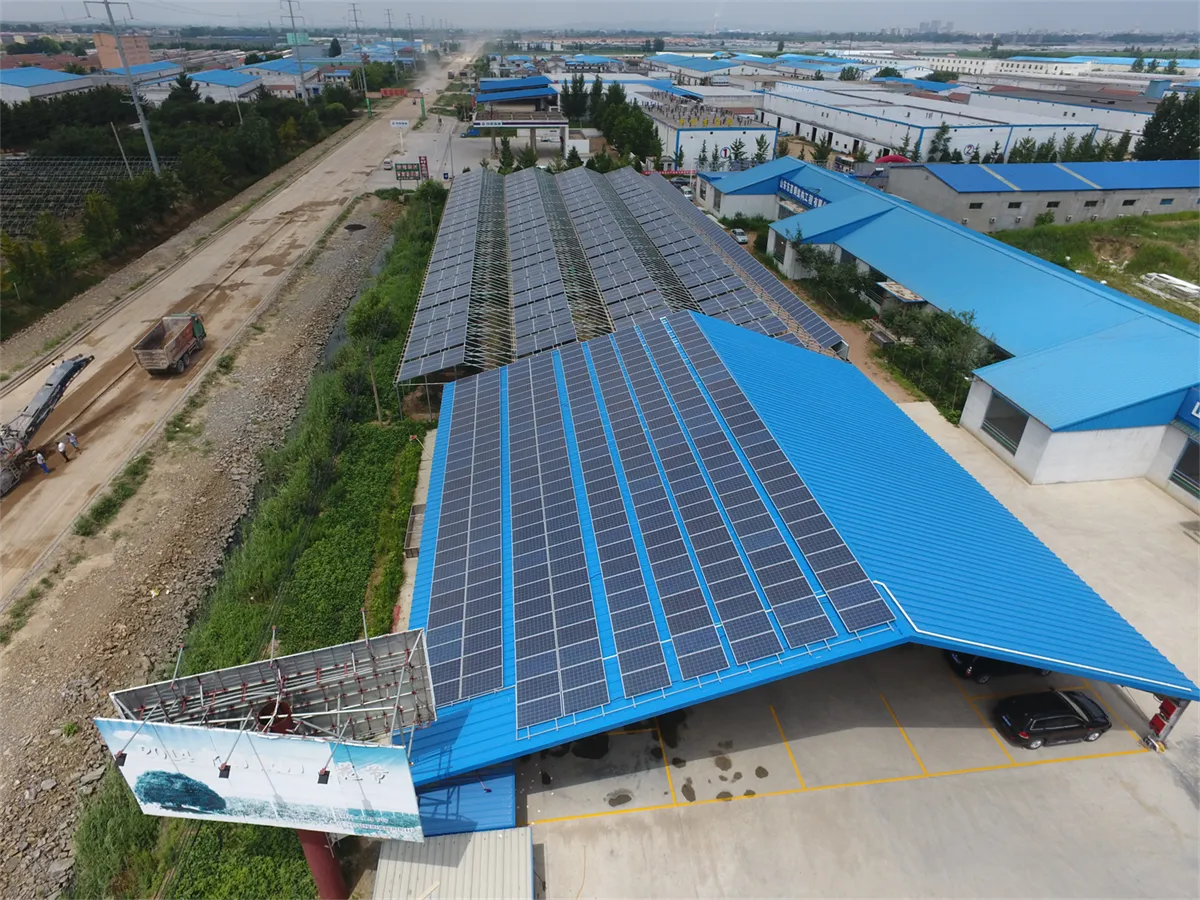
Choosing the right panels is half the battle - smart installation seals the deal:
Technology is moving faster than ever. Here's how to avoid buyer's remorse:
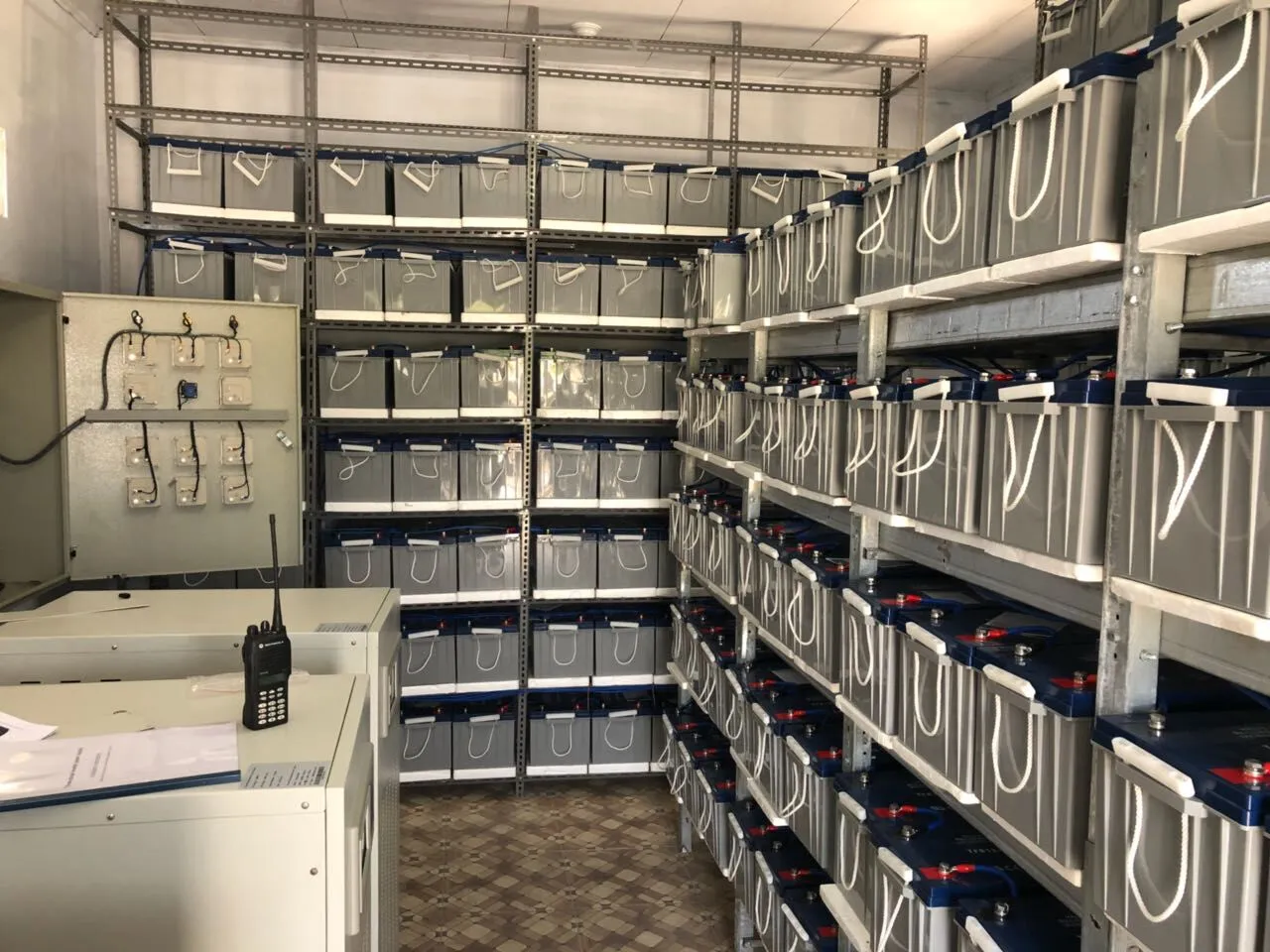
The solar storage equation can't be ignored either. Pairing with high-density batteries means you'll extract maximum value from every square inch of panel space by storing surplus power rather than wasting it.
Higher efficiency sometimes means higher cost - but look beyond the sticker price:
When you run the numbers holistically, premium panels often pay back faster in space-constrained scenarios. But always calculate based on your specific situation, energy rates, and local incentives.
Making the leap to high-power solar requires asking the right questions:
With power densities now exceeding 400W per panel and climbing, the solutions for compact spaces are better than ever before. The key is approaching your limitations not as boundaries, but as creative briefs demanding thoughtful technology choices. So take heart - your modest space could soon become an energy powerhouse.
Recommend Products












