

In the world of construction and design, few decisions feel as high-stakes as choosing a supplier for critical materials. When it comes to PU stone wall panels—those versatile, lightweight alternatives to natural stone that grace everything from luxury hotel facades to cozy home interiors—the choice often boils down to a single, tension-filled question: Should I prioritize an experienced supplier with a proven track record, or opt for a lower-priced option to stay within budget? It's a dilemma that has left contractors, architects, and homeowners alike tossing and turning at night, wondering if they're about to make a decision that could sink their project or save it.
This article dives deep into that dilemma, exploring the nuances of PU stone wall panel suppliers, the risks and rewards of each choice, and why, more often than not, experience ends up being the smarter long-term investment. We'll look at real-world stories, expert insights, and the hidden costs that often come with prioritizing price over proven expertise. By the end, you'll have a clearer understanding of which factor truly deserves the top spot on your checklist when selecting a PU stone wall panel supplier.
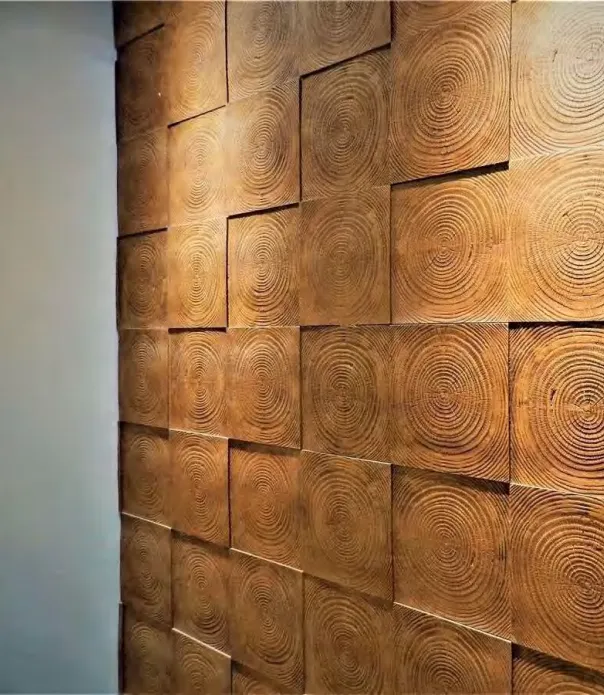
Before we dive into the supplier debate, let's ground ourselves in what PU stone wall panels actually are. Short for polyurethane stone wall panels, these materials are engineered to mimic the look and texture of natural stone—think rough-hewn granite, smooth travertine, or weathered limestone—without the weight, cost, or installation headaches. Made from a blend of polyurethane, inorganic fillers, and pigments, they're lightweight (often 70% lighter than natural stone), flexible enough to bend around curves, and durable enough to withstand harsh weather, making them a favorite for both interior decoration materials and exterior decoration materials.
Their rise in popularity isn't just about aesthetics, though. PU stone wall panels offer practical benefits too: they're resistant to moisture, fire-retardant (many meet Class B or higher ratings), and easy to install, cutting down on labor time. For architects, they're a dream come true, allowing for bold design choices that would be impossible with heavy natural stone. For homeowners, they're a way to achieve a high-end "stone" look without the high-end price tag. And for commercial projects, they're a cost-effective solution for creating cohesive, eye-catching facades that stand out in a crowded market.
But here's the catch: not all PU stone wall panels are created equal. The quality, consistency, and performance of these panels hinge almost entirely on the supplier behind them. Which brings us back to our original question: When evaluating PU stone wall panel suppliers, is experience or price the better guide?
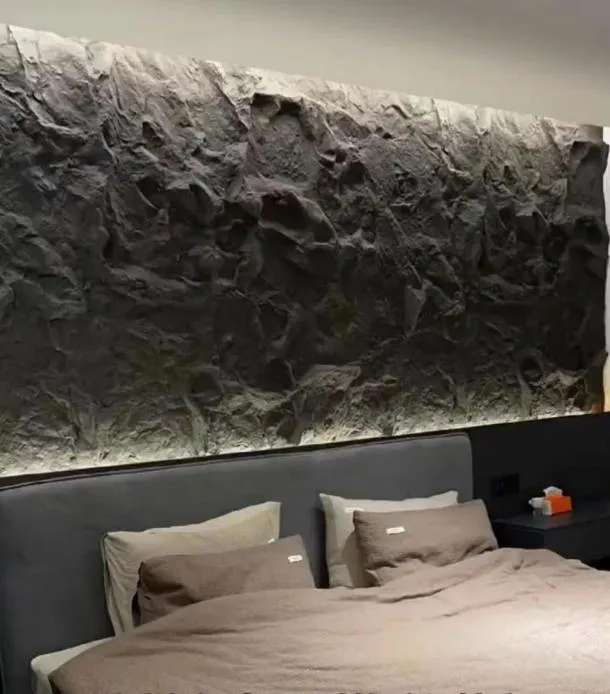
Let's start with experience. What does it really mean for a PU stone wall panel supplier to be "experienced"? It's not just about how many years they've been in business (though that helps). It's about the breadth of projects they've tackled, the problems they've solved, and the relationships they've built with clients, contractors, and regulators. An experienced supplier isn't just selling a product—they're selling peace of mind, and that's priceless.
One of the biggest advantages of working with an experienced PU stone wall panel supplier is their obsession with quality control. Natural stone is inconsistent by nature, but PU panels? They should be uniform, with consistent color, texture, and thickness across every batch. Inexperienced suppliers often cut corners here, using cheaper pigments that fade in sunlight or skimping on quality checks, leading to panels that look mismatched once installed. An experienced supplier, by contrast, has invested in rigorous testing protocols: UV resistance tests to prevent fading, impact tests to ensure durability, and even weather simulation tests to mimic years of rain, wind, and heat in a matter of weeks.
Take, for example, a hotel project in Riyadh where the architect specified PU stone wall panels in a custom "desert sand" hue for the exterior. The experienced supplier they chose produced three sample batches, each adjusted based on the architect's feedback, before finalizing the color. When the full order arrived, every panel matched the approved sample—no streaks, no splotches, no surprises. By contrast, a nearby retail center that opted for a new, low-cost supplier received panels with (noticeable) color variations; some were too pink, others too gray, leaving the facade looking patchy and unprofessional.
In today's design landscape, "one-size-fits-all" rarely cuts it. Whether it's a restaurant wanting panels shaped like ancient Roman bricks or a homeowner dreaming of a wall that curves gently around their staircase, customization is often non-negotiable. This is where experienced PU stone wall panel suppliers truly shine. They don't just offer standard sizes and textures—they have the technical know-how to adapt their products to fit even the most unique designs.
Consider a boutique hotel in Dubai that wanted PU stone wall panels to replicate the look of 17th-century French limestone for their lobby. The supplier, with over 20 years in the industry, created custom molds based on photos of actual French limestone quarries, adjusted the panel thickness to fit the hotel's structural requirements, and even added subtle color variations to mimic the natural aging of stone. The result? A lobby that feels timeless, authentic, and uniquely tailored to the hotel's brand. An inexperienced supplier, lacking the (molds) and design expertise, would have been forced to suggest a generic "stone-look" panel—hardly the statement piece the hotel envisioned.
Installing PU stone wall panels isn't as simple as nailing up drywall. It requires precision: the right adhesives, proper surface preparation, and an understanding of how panels expand and contract with temperature changes. When questions arise—and they always do—an experienced supplier doesn't just hand over a generic instruction manual and disappear. They provide on-the-ground support, sending technical teams to job sites to troubleshoot, offering installation training for contractors, and even coordinating with other material suppliers to ensure compatibility (e.g., ensuring PU panels work seamlessly with bamboo charcoal board wall panels used in adjacent rooms).
A contractor in Jeddah learned this lesson the hard way when they switched to a low-cost supplier for a residential project. The panels began peeling from the walls six months after installation, and when the contractor reached out for help, the supplier's response was a terse email: "Installation issues are not our responsibility." Frustrated, the contractor reached back out to their previous, more experienced supplier—a one-stop architectural solution provider that also handled flooring and ceiling materials. Within 48 hours, a technical rep was on-site, identified the problem (a subpar adhesive recommended by the low-cost supplier), and provided a list of approved adhesives. The issue was fixed, and the contractor vowed never to skimp on supplier experience again.
In regions like Saudi Arabia, where building codes are strict and safety standards are non-negotiable, compliance isn't just a box to check—it's a legal requirement. PU stone wall panels, especially those used in commercial buildings, must meet fire resistance ratings, environmental standards, and local construction laws. An experienced Saudi Arabia building materials supplier knows these regulations inside out, ensuring their products are tested and certified by accredited labs. They can provide documentation proving compliance with everything from ASTM standards to Saudi Aramco's strict material guidelines, saving clients from costly delays or even project shutdowns.
Imagine a hospital renovation in Riyadh that required Class A fireproof materials for all interior walls. The contractor specified PU stone wall panels, assuming any supplier could meet the requirement. But the low-cost supplier they initially chose couldn't provide fire test reports, and when pressed, admitted their panels only met Class B standards. The project was put on hold for three weeks while the contractor scrambled to find an experienced supplier with Class A-certified PU panels—a delay that cost the hospital over 100,000 SAR in lost revenue. "Compliance isn't optional," says Dr. Amal Al-Zahrani, a construction safety consultant in Riyadh. "An experienced supplier doesn't just sell you a product—they sell you compliance, and that's worth its weight in gold."
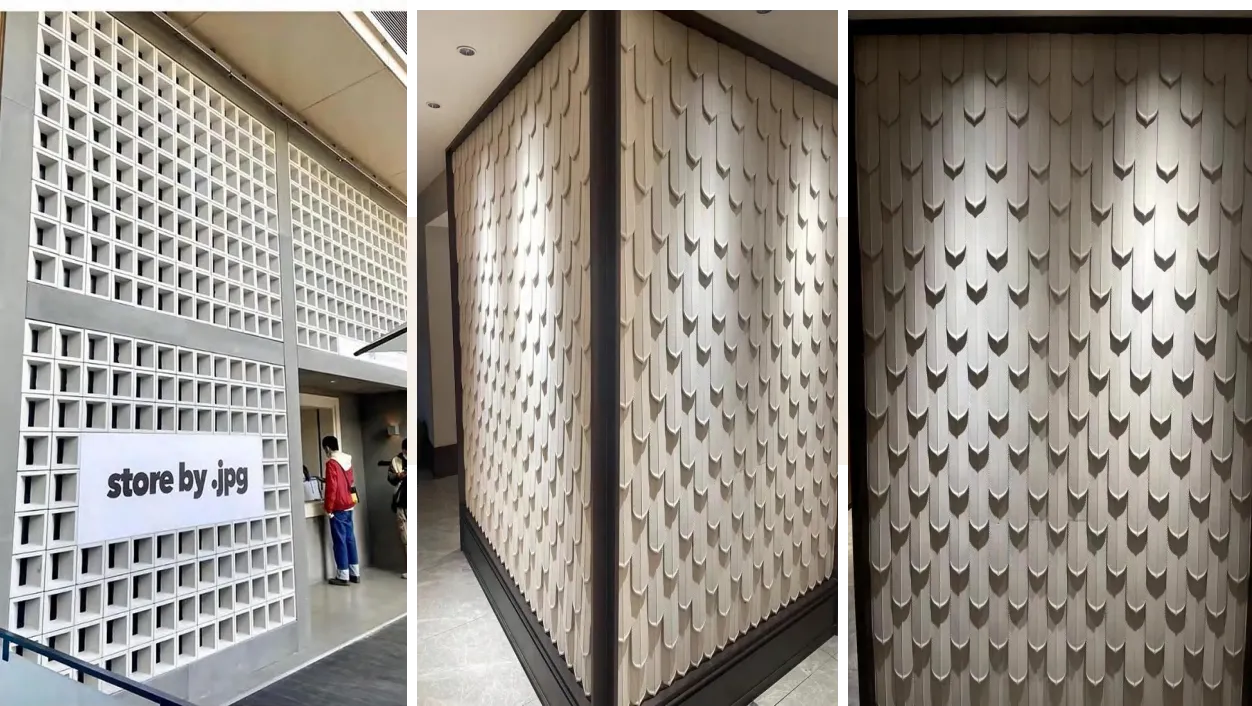
If experience is so clearly valuable, why do so many people still choose low-cost PU stone wall panel suppliers? The answer, of course, is money. Construction budgets are tight, margins are thin, and in a competitive market, saving 10-20% on material costs can feel like the difference between turning a profit and breaking even. For homeowners tackling renovations on a fixed income, or small businesses trying to stretch every riyal, the allure of a lower price tag is undeniable. But as we've seen, those savings often come with hidden costs—costs that can far outweigh the initial discount.
Low-cost suppliers often market their products as "just as good" as premium options, using phrases like "same quality, lower price" to lure in budget-conscious buyers. And to the untrained eye, their samples might even look similar—same color, same texture, same sheen. But looks can be deceiving. Underneath the surface, corners are cut: cheaper raw materials, fewer quality checks, and minimal testing. A property developer in Dammam once admitted, "I thought I was getting a steal with a supplier offering PU panels for 25% less than the market rate. The samples looked great, so I ordered 5,000 square meters. When the shipment arrived, half the panels had air bubbles, and the color was () different from the sample. By then, my project timeline was too tight to return them, so I had to use them anyway. Now, two years later, the panels are fading, and I'm facing a lawsuit from the building owner. That 'steal' ended up costing me over 500,000 SAR in repairs and legal fees."
Even when low-cost panels look "good enough" initially, the hidden costs tend to reveal themselves over time. There's the cost of replacing panels that crack or fade prematurely, the labor costs of re-installing defective materials, and the opportunity cost of delayed projects. For commercial clients, there's also the reputational cost: a restaurant with peeling PU panels on its exterior isn't just unsightly—it drives customers away. As one architect put it, "Price is what you pay; value is what you get. A cheap supplier might save you 10% upfront, but if your project fails because of their materials, that 10% savings becomes a 100% loss."
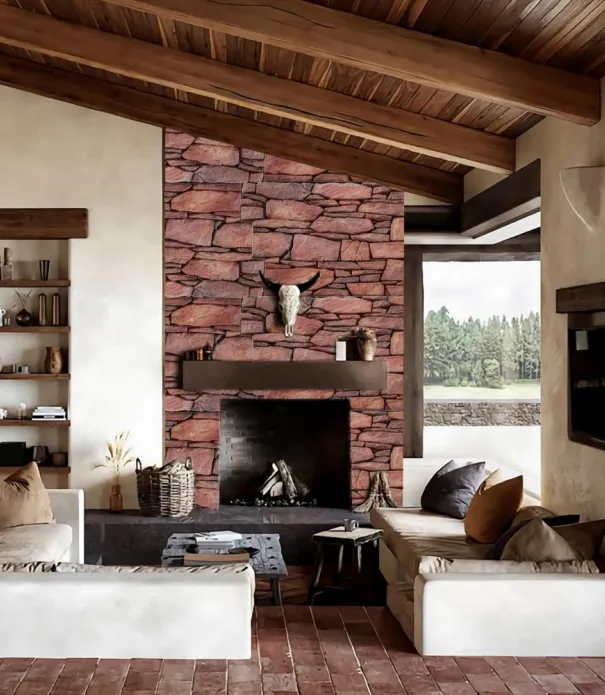
To truly understand the impact of this decision, let's look at two real-world scenarios—one where price won out, and one where experience took precedence. These stories, drawn from actual projects, highlight the consequences of each choice.
A national coffee shop chain in Saudi Arabia decided to expand into 10 new cities, aiming to keep construction costs low to maximize profits. For the exterior facades, they opted for PU stone wall panels to achieve a warm, inviting look. Instead of sticking with their usual experienced supplier, they selected a new supplier offering 35% lower prices, reasoning that "panels are panels."
Problems arose almost immediately. The first batch of panels arrived with inconsistent coloring—some were light beige, others dark tan—making the coffee shops look unbranded and unprofessional. When the chain requested replacements, the supplier demanded additional fees, claiming the color variations were "within industry standards." Then, during installation in Jeddah, panels began cracking when drilled, revealing brittle cores that shattered easily. The supplier blamed the contractors for "over-tightening screws," but tests later showed the panels had been manufactured with insufficient polyurethane density.
The result? The 10-store rollout was delayed by two months, costing the chain over 2 million SAR in lost revenue. The brand's reputation took a hit, with customers complaining about the "cheap-looking" storefronts. Eventually, the chain switched back to their original experienced supplier, paying to replace all defective panels—a total loss of over 4 million SAR, far more than the 35% they'd hoped to save.
A Dubai-based developer specializing in luxury villas wanted to create a "Mediterranean village" theme for their new project, using PU stone wall panels to replicate the look of Italian villa exteriors. Despite budget pressures, they chose an experienced PU stone wall panel supplier with a portfolio of high-end residential projects. The decision, they felt, was non-negotiable: "Our clients pay premium prices for perfection, and we can't risk cutting corners."
The supplier didn't just deliver panels—they became a partner. They sent a design team to collaborate with the developer's architects, creating custom molds to match the specific stone texture the developer wanted. They provided samples of 12 different color variations, testing each under Dubai's harsh sunlight to ensure fade resistance. During installation, they stationed a technical rep on-site for the entire 8-week process, addressing issues like panel alignment and adhesive application in real time.
Six months after completion, the villas sold out at 15% above the projected price, with buyers citing the "authentic stone look" as a key selling point. Three years later, a follow-up inspection showed the panels still looked brand-new, with no fading, cracking, or peeling. The developer later expanded their partnership with the supplier, using them for PU stone wall panel solutions in three more projects.
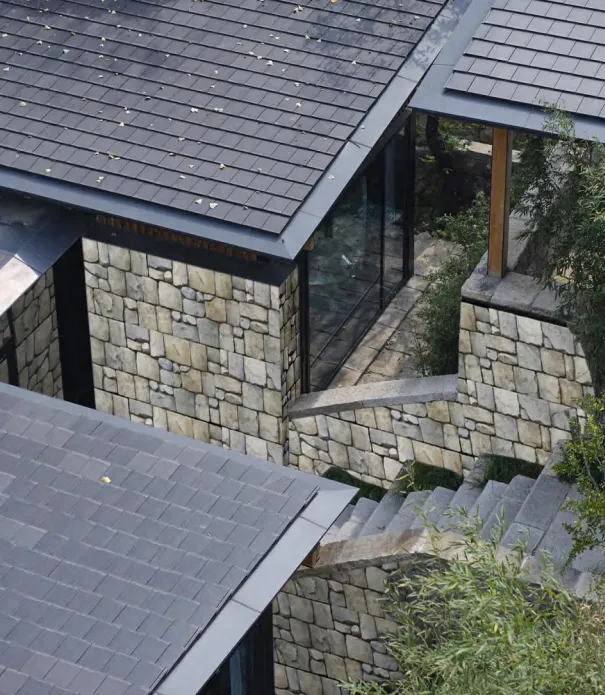
Still on the fence? The table below breaks down the critical factors to consider when evaluating PU stone wall panel suppliers, comparing how experienced vs. low-cost options typically perform.
| Factor | Experienced Supplier | Low-Cost Supplier |
|---|---|---|
| Quality Consistency | Strict QA/QC processes; minimal batch-to-batch variation | Inconsistent quality; frequent defects (cracks, color mismatch) |
| Customization Options | Offers custom colors, textures, and sizes; works with unique designs | Limited to standard options; resists custom requests |
| Technical Support | On-site troubleshooting, installation training, and post-sales help | Minimal support; may blame clients for installation issues |
| Compliance & Certifications | Provides full documentation (fire ratings, lab tests, local codes) | Lacks certifications; may mislead about compliance |
| Delivery Reliability | On-time delivery with backup inventory for urgent needs | Frequent delays; poor communication about shipping issues |
| Long-Term Durability | Panels last 15+ years with minimal maintenance | Panels fade, crack, or peel within 3–5 years |
| Cost Over Time | Higher upfront cost, but lower total cost of ownership | Lower upfront cost, but high hidden costs (repairs, delays) |

To get a broader perspective, we spoke with architects, contractors, and material specifiers who've spent decades navigating the world of building suppliers. Their insights reinforce the idea that experience matters far more than price.
At this point, you might be thinking: "Okay, experience is important, but I can't afford the most expensive supplier either. Is there a middle ground?" The answer is yes—if you're willing to do your homework. Not all experienced suppliers charge exorbitant prices, and not all mid-range suppliers lack expertise. The key is to look for suppliers who offer "value," not just "low cost."
Start by asking for references. A good supplier will happily connect you with past clients who can speak to their reliability and quality. Next, request samples—not just one or two, but a batch of panels to check for consistency. Inspect them under different lighting, test their flexibility, and even scratch the surface to see how they hold up. Finally, ask about volume discounts. Many experienced suppliers offer reduced rates for large orders, making them more affordable for bigger projects.
Another option is to work with a one-stop architectural solution provider that offers PU stone wall panels alongside other materials like flooring, ceiling, and pipes fittings. These suppliers often have economies of scale, allowing them to offer competitive prices while maintaining high standards. They also streamline the procurement process, reducing the risk of miscommunication between multiple suppliers.
At the end of the day, choosing a PU stone wall panel supplier is about more than just materials—it's about investing in the success of your project. Price will always be a factor, but it should never be the only factor. An experienced supplier brings more to the table than just panels: they bring expertise, reliability, and a commitment to your project's success. They're the difference between a project that meets deadlines, exceeds expectations, and stands the test of time—and one that's plagued by delays, defects, and regret.
So the next time you're faced with that dilemma—experience vs. price—remember the coffee shop chain that lost millions, the villa developer that sold out at a premium, and the contractors who learned the hard way that you get what you pay for. PU stone wall panels are too important to leave to chance. Choose experience, and you'll be thanking yourself for years to come.
Recommend Products











