
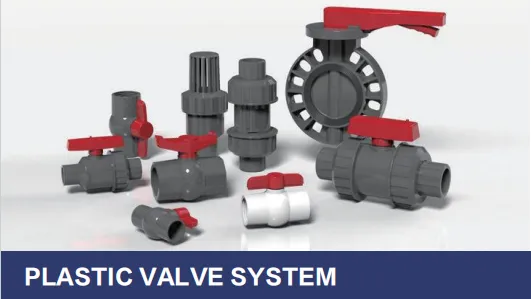
Saudi Arabia's Vision 2030 is more than a national agenda—it's a bold narrative of transformation. Picture this: new smart cities emerging where deserts once stretched endless, hospitals equipped with cutting-edge technology to care for millions, schools designed to foster creativity and innovation, and industrial hubs that rival the world's best. Every project, big or small, is a thread in the fabric of this vision. But here's the truth many overlook: even the most ambitious infrastructure dreams depend on the reliability of their smallest components. When it comes to plumbing, drainage, and fluid management systems, plastic valve systems are the unsung heroes. They control water flow in residential towers, manage industrial fluids in factories, and ensure safety in hospitals. Choosing the right plastic valve system supplier isn't just a procurement decision—it's a commitment to the success of Vision 2030 itself.
Let's start with the basics: why plastic valve systems? In a country where temperatures can hit 50°C, where infrastructure must last decades, and where sustainability is a core Vision 2030 pillar, plastic valves offer unique advantages. Unlike traditional metal valves, they resist corrosion—critical in a region with high mineral content in water. They're lightweight, making installation faster and more cost-effective, which matters when deadlines are tight. And modern plastic valves, made from materials like PVC, UPVC, and PPR, are engineered to handle high pressures and extreme temperatures. But beyond that, they align with Vision 2030's sustainability goals: many are recyclable, require less energy to produce than metal alternatives, and contribute to water conservation through leak-proof designs.
Take, for example, a mega-project like NEOM. With its focus on eco-friendly urban living, NEOM's plumbing systems need to be efficient, durable, and sustainable. A reliable plastic valve system supplier here wouldn't just provide valves—they'd offer plastic valve system solutions tailored to the city's unique needs: maybe pressure-resistant UPVC valves for water distribution, or PEX fittings that handle temperature fluctuations in smart homes. Similarly, in a hospital project, where hygiene and safety are non-negotiable, valves must meet strict health standards. That's where a supplier with experience in healthcare infrastructure, perhaps one that also offers Class A fireproof materials (though those are more common in wall panels), becomes invaluable.
Choosing a plastic valve system supplier in Saudi Arabia isn't about picking the first name on a list. It's about finding a partner who understands your project's goals, the local context, and the long-term demands of Vision 2030. Here are the critical factors that should guide your decision.
Quality in plastic valves isn't just about not breaking—it's about consistent performance over time. Saudi Arabia's climate is unforgiving: UV radiation from the sun can degrade low-quality plastics, while sudden temperature changes can cause brittleness. A reputable supplier will use materials that are tested for these conditions. Look for valves made from virgin PVC or UPVC (not recycled materials that compromise strength), and check if they meet international standards like ISO 1452-2 for plastic valves. Ask for test reports: how do their valves perform after 10,000 cycles of opening and closing? What's their pressure rating at 60°C? Remember, a valve that fails in five years isn't just a maintenance headache—it's a threat to the project's reputation and the people relying on it.
Take PVC DWV pipes, for instance. A trusted PVC DWV pipe supplier will ensure their pipes and valves are designed to handle the chemical composition of wastewater without cracking or clogging. Similarly, PPR pipe and fitting suppliers should provide certified products that resist scaling and corrosion, ensuring smooth water flow in residential and commercial buildings for decades.
Saudi Arabia has strict regulations for building materials, and for good reason. The Saudi Standards, Metrology and Quality Organization (SASO) sets benchmarks to ensure safety, performance, and sustainability. Any plastic valve system supplier worth considering must have SASO certification for their products. But don't stop there: look for ISO 9001 (quality management), ISO 14001 (environmental management), and even LEED compliance if your project is aiming for green building certification. For example, if you're working on a school or hospital, valves that meet water efficiency standards (like the Water Efficiency Label) can contribute to LEED points, aligning with Vision 2030's focus on sustainable infrastructure.
It's also worth checking if the supplier has experience with local regulations. Saudi Arabia's building codes can vary by region—what works in Riyadh might need adjustments in Jeddah's coastal humidity. A supplier with a local presence or partnerships will understand these nuances and help you avoid compliance delays.
Vision 2030 projects are often complex, involving multiple systems that need to work seamlessly together. Imagine coordinating with separate suppliers for valves, pipes, fittings, and wall panels—it's a logistical nightmare. That's where a one-stop architectural solution provider shines. A supplier that offers not just plastic valve systems but also complementary products like UPVC pipes (from a reliable UPVC pipe supplier), PPR fittings, and even wall solutions can simplify your supply chain, reduce costs, and ensure compatibility between components. For example, if a project requires both plastic valves and WPC wall panels, working with a supplier who provides both means you won't have to worry about mismatched specifications or delayed deliveries from different vendors.
But breadth shouldn't compromise depth. A good supplier will have specialized solutions for specific needs: PEX pipe and fitting solutions for underfloor heating systems in luxury villas, CPVC SCH80 high-pressure piping for industrial applications, or PVC-U SCH40 pressure systems for municipal water projects. The more tailored their product range, the better they can support your project's unique requirements.
A valve isn't just a product—it's part of a system that needs to be installed, maintained, and sometimes repaired. What happens if a shipment arrives with damaged parts? Or if your team needs technical guidance on installing a new type of valve? A supplier with strong local support makes all the difference. Look for suppliers with warehouses in key cities like Riyadh, Jeddah, or Dammam—this ensures faster delivery and reduces lead times. On-site technical support is another must: engineers who can visit your project site, answer questions, and even help with system design. Training programs for your installation team? That's a bonus. After all, even the best valve performs poorly if installed incorrectly.
Consider a scenario: you're rushing to meet a deadline for a school project, and a batch of valves arrives with missing gaskets. A supplier with local stock can replace them in 24 hours; one without might take a week, delaying the entire project. In Vision 2030's fast-paced environment, that's a risk you can't afford.
Vision 2030 isn't just about growth—it's about responsible growth. The goal to reduce carbon emissions and promote sustainability means every material choice counts. When evaluating a plastic valve system supplier, ask about their sustainability practices: Do they use recycled materials in their products? Is their manufacturing process energy-efficient? Do they have a take-back program for old valves? Suppliers that prioritize sustainability aren't just helping you meet project goals—they're contributing to Saudi Arabia's broader environmental vision.
For example, a supplier that offers PVC DWV pipes made from 30% recycled plastic reduces the project's carbon footprint. One that uses solar energy in production aligns with Saudi's push for renewable energy. Even small choices, like eco-friendly packaging or digital invoicing to reduce paper waste, show a commitment to the bigger picture.
To bring this to life, let's compare three hypothetical (but realistic) plastic valve system suppliers operating in Saudi Arabia. This table highlights how they stack up against the key factors we've discussed. Remember, your project's specific needs—whether it's a residential complex, a hospital, or an industrial plant—will weight these factors differently.
| Supplier | Core Products | Key Certifications | Local Presence | Sustainability Initiatives | Project Focus |
|---|---|---|---|---|---|
| Desert Flow Solutions | Plastic valve systems, PVC DWV pipes, UPVC pipe solutions, PPR pipe and fittings | SASO, ISO 9001, ISO 14001, Water Efficiency Label | Warehouses in Riyadh and Jeddah; 24/7 technical support | 50% recycled plastic in PVC DWV pipes; solar-powered Riyadh warehouse | Residential, commercial, municipal water projects |
| Gulf Industrial Systems | High-pressure plastic valves, CPVC SCH80 piping, PEX pipe and fitting solutions, plastic valve system solutions | SASO, ISO 9001, ASME B31.3, IEC 61284 | Headquarters in Jubail; technical offices in Dammam and Khobar | Carbon-neutral manufacturing; zero-waste packaging | Industrial, oil & gas, power plants |
| Saudi One-Stop Build | Plastic valves, UPVC pipes, WPC wall panels, bamboo charcoal board wall panels, flooring solutions | SASO, ISO 9001, LEED v4, Class A fireproof certifications (for wall panels) | National network with 5 warehouses; on-site project consultants | Closed-loop recycling program; green building consulting services | Mixed-use developments, hospitals, schools, smart cities |
Each of these suppliers brings something unique. Desert Flow Solutions excels in residential and municipal projects with its focus on water efficiency and local support. Gulf Industrial Systems is the go-to for high-pressure industrial needs. Saudi One-Stop Build, as a one-stop architectural solution provider, simplifies complex projects by offering everything from valves to wall panels. The takeaway? There's no "best" supplier—only the best fit for your project.
Choosing a supplier in Saudi Arabia isn't without challenges. The market is flooded with options, and not all suppliers deliver on their promises. Low-quality imported valves, for example, might be cheaper upfront but fail within a few years, leading to costly replacements. Then there's the issue of supply chain delays—with so many projects underway, even reliable suppliers can face stock shortages. So how do you mitigate these risks?
First, prioritize suppliers with a proven track record. Ask for references or case studies of similar projects they've supported. Did they deliver on time for a hospital in Riyadh? How did their valves perform in a coastal project in Jeddah, where humidity is high? Second, build flexibility into your contracts. Include clauses for on-time delivery guarantees and quality inspections upon arrival. Third, consider partnering with suppliers who invest in local manufacturing or warehousing—this reduces reliance on international shipping and speeds up delivery.
Another challenge is keeping up with evolving regulations. Vision 2030 is driving updates to building codes, particularly around sustainability and safety. A good supplier will stay ahead of these changes and help you adapt. For example, if new water efficiency standards are introduced, they should proactively recommend upgraded valve models that meet the new requirements.
Vision 2030 is about looking forward, and so should your choice of supplier. The plastic valve industry is evolving, with new technologies and materials that could transform how projects are built. Smart valves, for instance, equipped with sensors to monitor flow and detect leaks, are becoming more common in smart cities. A supplier investing in these innovations can help your project stay ahead of the curve. Similarly, green materials like bioplastics or valves made from agricultural waste are on the horizon—suppliers exploring these options align with Vision 2030's sustainability goals.
Modular systems are another trend. Valves and fittings designed to snap together quickly reduce installation time, which is critical for fast-track projects. Imagine a school that needs to open in time for the new academic year—modular PPR pipe and fitting solutions could cut weeks off the plumbing schedule. Suppliers who offer these systems are not just selling products; they're selling efficiency.
At the end of the day, choosing a plastic valve system supplier for Saudi Arabia's Vision 2030 projects is about more than transactions. It's about selecting a partner who shares your commitment to excellence, sustainability, and progress. Every valve they deliver, every solution they propose, and every challenge they help you overcome brings Vision 2030 closer to reality.
So take your time. Evaluate their quality, certifications, and local support. Ask about their sustainability practices and future innovations. And remember: the right supplier won't just meet your project's needs—they'll help you exceed them. In the story of Saudi Arabia's transformation, plastic valve systems might not be the stars, but they're the quiet foundation on which Vision 2030 stands. Choose wisely, and you'll be building a legacy that lasts long beyond the projects themselves.
Recommend Products












