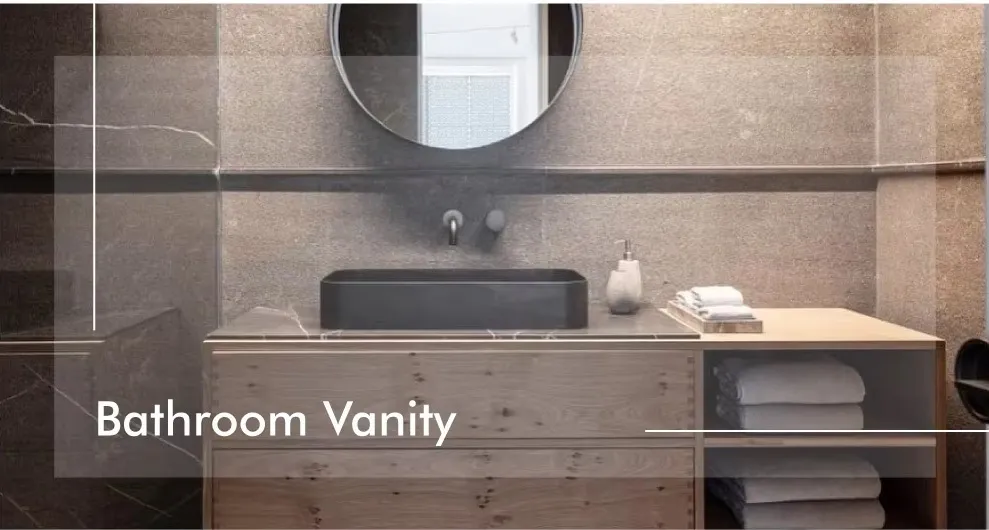
Picture this: You walk into your bathroom first thing in the morning, barely awake, and lean on your vanity while reaching for your toothbrush. That cabinet takes daily abuse - morning routines, cosmetic spills, water splashes, and the constant steam assault of hot showers. Choosing the right vanity material isn't just about creating a pretty bathroom centerpiece; it's about selecting something tough enough to become your daily workhorse.
After analyzing countless options and customer experiences, we'll break down the contenders using straightforward advice you won't find in fancy showrooms. Because let's be honest - nobody wants a vanity that warps, stains, or peels after a year of real-life use.
Why Your Bathroom is a Material Warzone
Most rooms in your house give materials an easy ride - but not your bathroom. This high-moisture zone constantly tests vanities with:
-
Water warfare
: Direct splashes from sinks, shower steam invasions, and lingering humidity
-
Chemical attacks
: Harsh cleaning products, cosmetics, hair dyes, and skincare acids
-
Physical abuse
: Leaning, banging toiletries, and cabinet door slamming
-
Microbial creep
: Mold and mildew just waiting for damp crevices
The perfect vanity material doesn't just look good on installation day - it keeps fighting these battles for decades. That's why we're separating trendy looks from actual substance.
Practical Reality Check:
Manufacturers advertise "water-resistant" materials, but for
bathrooms, you need
true waterproofing
unless you enjoy replacing swollen cabinets.
Durability Deep Dive: Cabinet Materials Face-Off
The Solid Wood Romantic (That Demands Attention)
Wooden vanities offer timeless appeal - that warm, inviting feel that plastic just can't mimic. Oak, maple, and walnut bring nature into your bathroom beautifully. But let's talk turkey:
-
The Good
: Ages gracefully like leather, can be refinished when scratched, develops character over time
-
The Bad
: Acts like a sponge in humidity unless impeccably sealed (many manufacturers cut corners here)
-
The Ugly
: Sealant failures lead to swelling around joints and doors that won't close - especially noticeable around plumbing penetrations
Maintenance Reality
: Needs religious resealing every 1-2 years. Forget one treatment cycle? Welcome warp-city.
Secret Workaround:
Some manufacturers use marine-grade wood originally developed for boats. More expensive? Yes. Actually handles bathroom moisture? Absolutely.
Engineered Wood - The Wallet-Friendly Illusionist
Comes dressed as the budget-friendly solution: MDF (medium-density fiberboard) and plywood cores wrapped in convincing wood veneers. They look remarkably like solid wood at half the price! But:
-
The Good
: Smooth surfaces perfect for paint or veneers, wallet-friendly, more stable than solid wood
-
The Bad
: Even moisture-resistant MDF turns spongy if exposed to direct water. Once water gets past veneers? Say goodbye.
-
The Ugly
: Low-quality versions peel at edges or show seams over time - especially around steam-rich zones like shower rooms
Maintenance Reality
: Even a tiny chip invites moisture behind the veneer. Repairing requires artistic skills and always looks patched.
PVC - The Unsung Hero of Wet Rooms
This newcomer often gets overlooked amid wood nostalgia - but for battle-ready performance, it's becoming a contractor favorite:
-
The Good
: Fully waterproof - not resistant, waterproof. Laughs at spilled shampoo and shower steam
-
The Bad
: Earlier models looked plasticky and cheap. Modern PVC mimics wood grain convincingly
-
The Ugly
: Higher price tag than engineered wood (but cheaper than premium hardwoods)
Maintenance Reality
: Just wipe spills. No special cleaners needed. Scratches blend in rather than absorb moisture.
Metal - The Industrial Tough Guy
Often stainless steel or aluminum with powder-coated finishes - ideal for modern, minimalist, or industrial bathrooms:
-
The Good
: Totally immune to water damage and humidity. Cleaning? Soap and water do the trick
-
The Bad
: Shows fingerprints and water spots easily unless you get textured finishes
-
The Ugly
: Acoustically noisy when closing doors or drawers - your midnight bathroom run wakes everyone
Maintenance Reality
: Surprisingly low-effort but demands regular wiping to avoid visible smudges.
Countertop Combat Zone - Where Stains Attack Daily
Your vanity top takes the hardest hits: toothpaste globs, spilled coffee, hot hair tools, perfume disasters. Forget beauty - here's what survives real bathrooms:
Natural Stone - Beauty with Battle Scars
Granite and marble elevate your bathroom instantly with natural elegance and distinctive patterns. But...:
-
The Good
: Unmatched natural beauty with unique veining and patterns
-
The Bad
: Granite needs sealing against stains; marble stains if acidic liquids linger
-
The Ugly
: Hairdressing tools left in the wrong spot? Permanent discoloration and etching
Stone Hacks:
Buy samples and perform practical torture tests with coffee, nail polish remover, and hair dye before committing.
Engineered Stone (Quartz) - The Tough Perfectionist
The undisputed champion for busy bathrooms where looks and durability matter equally:
-
The Good
: Non-porous surface says "no" to liquid stains and microbial growth; no sealing required
-
The Bad
: Lacks the completely natural look of true stone (though patterns keep improving)
-
The Ugly
: Extended exposure to UV light causes discoloration (but how many bathrooms get direct sun?)
Maintenance Reality
: Wipe spills when you see them - but unlike marble, an overnight coffee spill won't hurt quartz.
Solid Surface Materials - The Silent Workhorse
Brands like Corian provide surprisingly strong performance with minimal maintenance needs:
-
The Good
: Non-porous surface prevents stains and microbial growth; virtually seamless with integrated sinks
-
The Bad
: Susceptible to scratches from sharp objects; hot hair tools require trivets
-
The Ugly
: Deep scratches require professional sanding to restore appearance
Maintenance Reality
: Easy cleaning with mild soap, but requires protective mats for hot tools.
|
Material
|
Durability
|
Moisture Resistance
|
Stain Resistance
|
Maintenance Effort
|
Real-Life Lifespan
|
|
Solid Wood
|
★★★☆☆
|
★★☆☆☆
|
★★★☆☆
|
High
|
8-15 years
|
|
Engineered Wood
|
★★☆☆☆
|
★☆☆☆☆
|
★★☆☆☆
|
Medium-High
|
5-10 years
|
|
PVC
|
★★★★☆
|
★★★★★
|
★★★★☆
|
Low
|
15-25 years
|
|
Metal
|
★★★★★
|
★★★★★
|
★★★★★
|
Low
|
20+ years
|
|
Natural Stone
|
★★★★☆
|
★★★★☆
|
★★★☆☆
|
Medium-High
|
15-30 years
|
|
Engineered Quartz
|
★★★★★
|
★★★★★
|
★★★★★
|
Low
|
20-30 years
|
|
Solid Surface
|
★★★★☆
|
★★★★★
|
★★★★☆
|
Low
|
15-25 years
|
The Hidden Factor: Why Installation Makes or Breaks Vanities
You can buy the best materials available, but poor installation ruins everything. Here's what actually matters:
-
Walls aren't square
- Most aren't! Pros shim cabinets properly to prevent stress points causing warping
-
Plumbing penetrations
- Gaps around pipes become moisture superhighways. Quality installers seal meticulously
-
Leveling matters
- Off-kilter installations stress joints causing premature failure
-
Wall anchoring
- Unsecured vanities tip over (yes, really!) especially with vessel sinks
Before Install Day:
Run your hand where the vanity will go - feel any dampness? Find the leak BEFORE sealing your vanity against a problem wall!
Maintenance Made Simple: Stop Working for Your Vanity
A well-chosen vanity shouldn't demand weekly spa treatments. Here's realistic care based on material:
For Cabinet Exteriors
-
Wood/Engineered Wood
: Monthly wipe-down with dry microfiber, quarterly use of wood-specific cleanser
-
PVC
: Wipe spills with damp cloth; deep clean quarterly with diluted vinegar
-
Metal
: Weekly glass cleaner prevents water spots; avoid abrasives
For Countertops
-
Stone
: Immediately wipe acidic spills; seal annually; use trivets religiously
-
Quartz
: Daily wipe-down with soapy water; no special cleaners needed
-
Solid Surface
: Clean spills promptly; avoid knife cuts; buff minor scratches with melamine sponge
Smart Upgrades That Actually Matter
Beyond basic cabinets and tops, these add-ons enhance longevity and usability:
-
Soft-Close Everything
- Drawers and hinges that softly close prevent joint stress over time
-
Integrated Water Guards
- Extra lips around counter edges divert water to basin instead of cabinets
-
Adjustable Shelving
- Accommodate changing bottle sizes and avoid crammed spaces
-
Undercounter LED Lighting
-
Moisture-Sensing Ventilation
- Automatically boosts airflow when humidity spikes
The Final Word: Lasting Beauty That Doesn't Break the Bank
After scrutinizing every material in real bathrooms - not shiny showrooms - here's what holds up:
-
For Heavy-Use Family Bathrooms
: PVC cabinets + Quartz tops deliver worry-free performance with minimal pampering
-
For Secondary Bathrooms
: Quality marine-grade wood + quartz offers warmth without high-maintenance
-
For Modern Minimalist Spaces
: Metal cabinets + quartz tops embrace contemporary looks without fingerprints drama
The best material isn't the trendiest - it's what withstands the chaos of your actual bathroom life. When you combine smart material selection with proper installation and basic maintenance, your vanity becomes a resilient centerpiece you'll appreciate for decades - not just a future renovation project.
Ultimately, the true cost of a vanity includes both money and hassle - choose wisely to minimize both.