
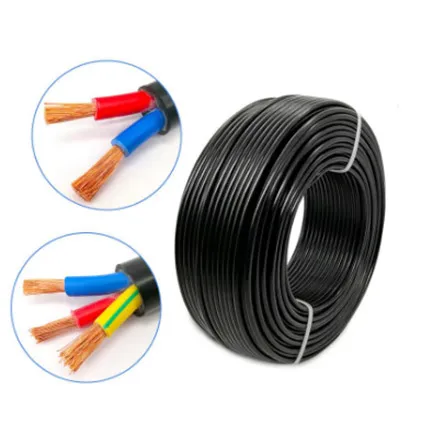
We've all heard horror stories about electrical fires caused by faulty wiring. But what if I told you the culprit isn't always faulty installation - it's often the cables themselves? That burning smell coming from your walls might not be your imagination. The harsh reality is that power cables aren't immune to the counterfeiting epidemic, and choosing the wrong supplier could put lives at risk.
"To ensure quality, we directly purchase parts from manufacturers. We would never buy counterfeit in the gray market. This is the quality assurance we promise with our brand."
- Omar Ping Gary
Counterfeit cables represent a silent killer in our modern infrastructure. They look authentic, they're packaged professionally, and they cost just enough less to tempt procurement teams. But peel back the insulation, and you'll find:
Remember the 2017 London high-rise fire? While investigations pinpointed multiple causes, substandard wiring played a contributing role. These aren't hypothetical dangers - they're tragedies waiting to happen.
Industry certifications like ISO 9001 and ISO 14001 aren't just fancy plaques on a wall. They're your first line of defense. Think of them as a supplier's resume - proof they've invested in systems that prevent counterfeit materials from entering their inventory.
Would you hire an employee without checking references? Treat suppliers with the same scrutiny. Don't just collect certificates - understand their testing protocols. Do they:
Industry certification IDEA-STD-1010-A provides clear inspection criteria, but it's only as good as its implementation. The best suppliers go beyond visual checks:
As Zhu Xu from the Independent Distributor of Electronics Association emphasizes: "Strictly complying with the standard, plus ISO9001 quality control system ensures professional and comprehensive quality control."
Choosing the right partner is step one, but counterfeit prevention must become organizational muscle memory. Here's how leaders embed resilience:
Don't wait for problems to emerge. Surprise inspections prevent complacency and uncover issues before they become disasters. Look beyond the primary supplier to their material sources too.
Counterfeit detection isn't just procurement's responsibility. Train warehouse staff to spot packaging anomalies. Empower electricians to flag unusual cable behavior. Create simple reporting channels.
Blockchain-based tracing provides immutable records from mine to installation site. Microscopic tagging at manufacturing adds invisible verification layers. Regular XRF scanning detects material substitutions.
The Chartered Institute of Procurement & Supply highlights this holistic approach: "Regularly check regulations and the market as things may have changed since the last time you checked. Make sure that your organisation has the skills in knowing how to deal with counterfeit occurrences."
While counterfeit cables might offer 20% upfront savings, the true costs emerge later:
Quality isn't just an option—it's insurance that protects lives and livelihoods. When Pioneer Electronics requires "all electronic components quality control processes to comply with ISO9001 standards to ensure zero defect quality management," they're not paying for prestige; they're investing in peace of mind.
The most expensive cable is the one priced low enough to endanger lives. Choosing integrity preserves what truly matters.
Reliable cables begin with reliable partnerships. Your next connection might be the one preventing someone's nightmare.
Recommend Products












