
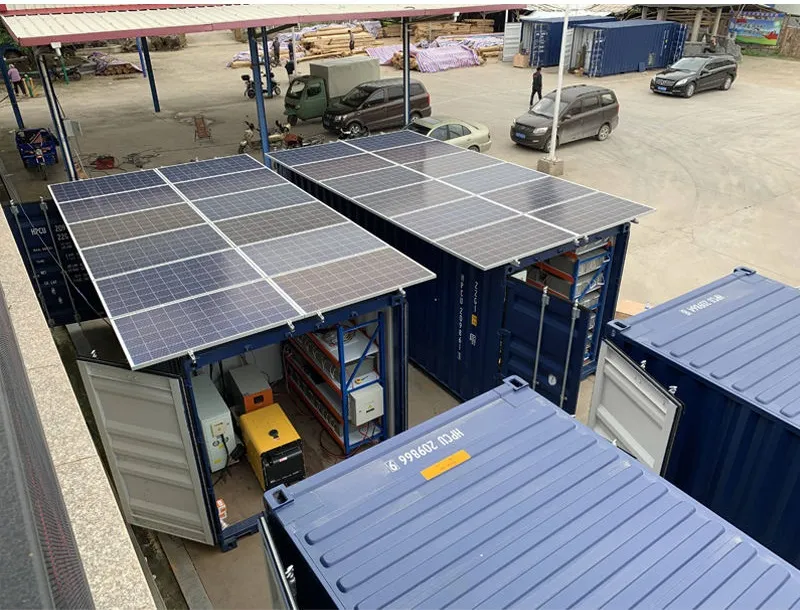
Picture this: Over 95% of the world's solar panels have key components made in China. That's not just impressive – it's revolutionary. China doesn't just participate in the solar industry; it dominates it. By 2029, projections show China's solar capacity could hit nearly 2,000 gigawatts – that's enough to power entire countries!
The secret sauce? Government backing meets entrepreneurial hustle. Places like Shenzhen and Jiangsu aren't just manufacturing hubs – they're innovation ecosystems where solar tech gets better, cheaper, and more efficient literally every quarter. It's like Silicon Valley for renewable energy.
This city isn't just about smartphones anymore. Shenzhen is morphing into a solar titan with companies like Growatt and Sofar Solar pushing boundaries. Think cutting-edge factories where automation and human ingenuity collide to produce panels that outperform global standards.
Right on the coast for easy shipping, Jiangsu is your efficiency paradise. Home to giants like Trina Solar, this is where massive scale meets rigorous quality control. The provincial government's support? Think tax breaks and infrastructure investments that make doing solar business almost frictionless.
Sandwiched between Shanghai's port and genius-level tech universities, Zhejiang is where you'll find Jinko Solar pushing solar innovation. It's not just about making panels – it's about reinventing how they work, with next-gen designs that leave older models in the dust.
inverter compatibility becomes mission-critical as systems get smarter. Zhejiang's factories engineer panels that communicate seamlessly with inverters like they're old friends.
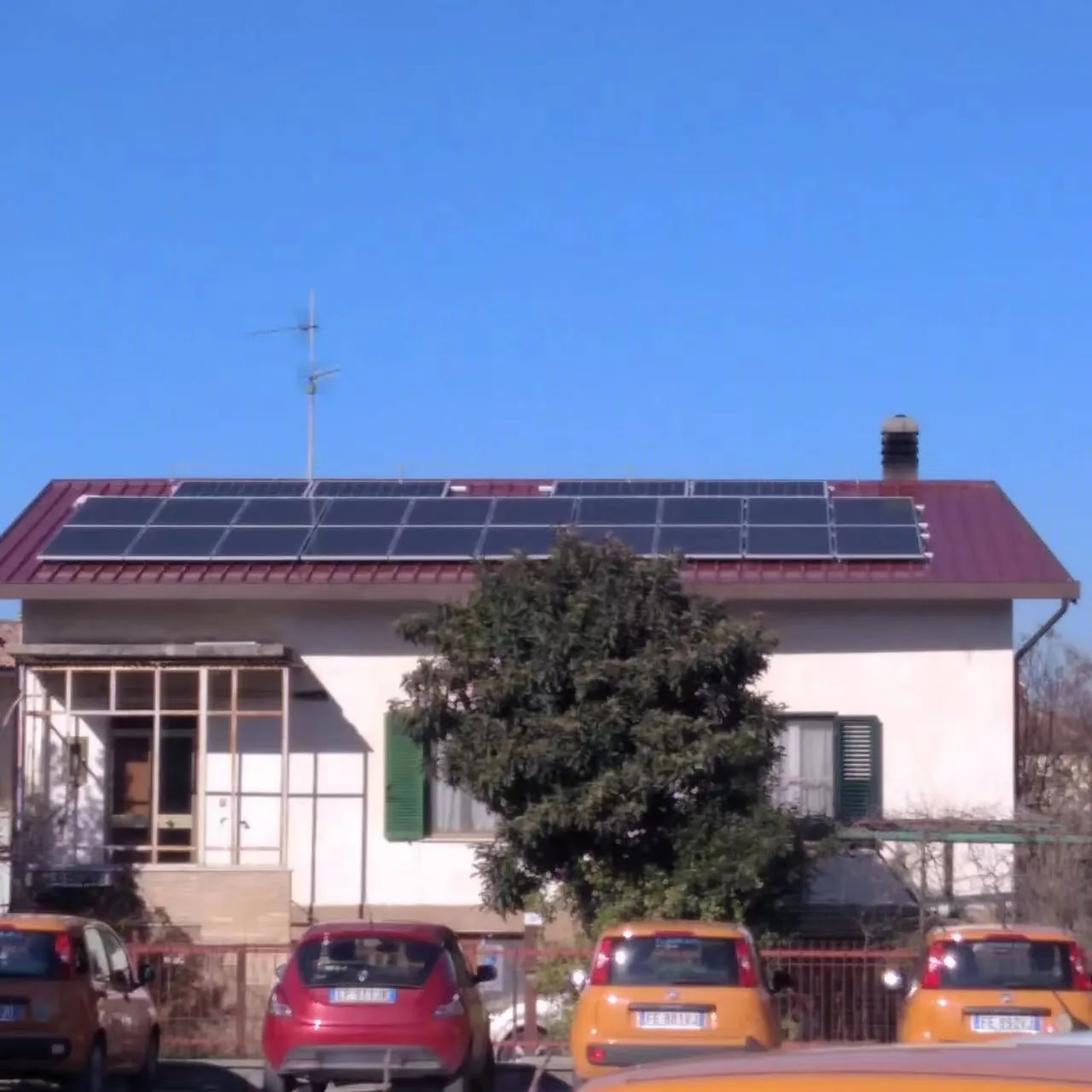
When Jinko speaks, the solar world listens. They've shipped over 205 GW globally – that's equivalent to lighting up about 35 million homes! What makes them special? Tiger Pro and Cheetah series panels aren't just products; they're power generators designed for extreme environments.
The Vertex N series changed everything. With 720W panels using n-type i-TOPCon technology, Trina proves Chinese solar isn't about following trends – it's about setting them. Their secret? Over 5,600 patents prove innovation isn't accidental.
DeepBlue isn't just a name – it's a promise of reliability under the harshest conditions. JA Solar dominates with their PERC cell innovations and recently entered energy storage with solutions that integrate perfectly with their panels.
Meet the monocrystalline masters. LONGi's Hi-MO series doesn't just perform better – it lasts longer thanks to their silicon-perovskite tandem cells hitting 34.6% efficiency. Translation? More energy per square foot than rivals.
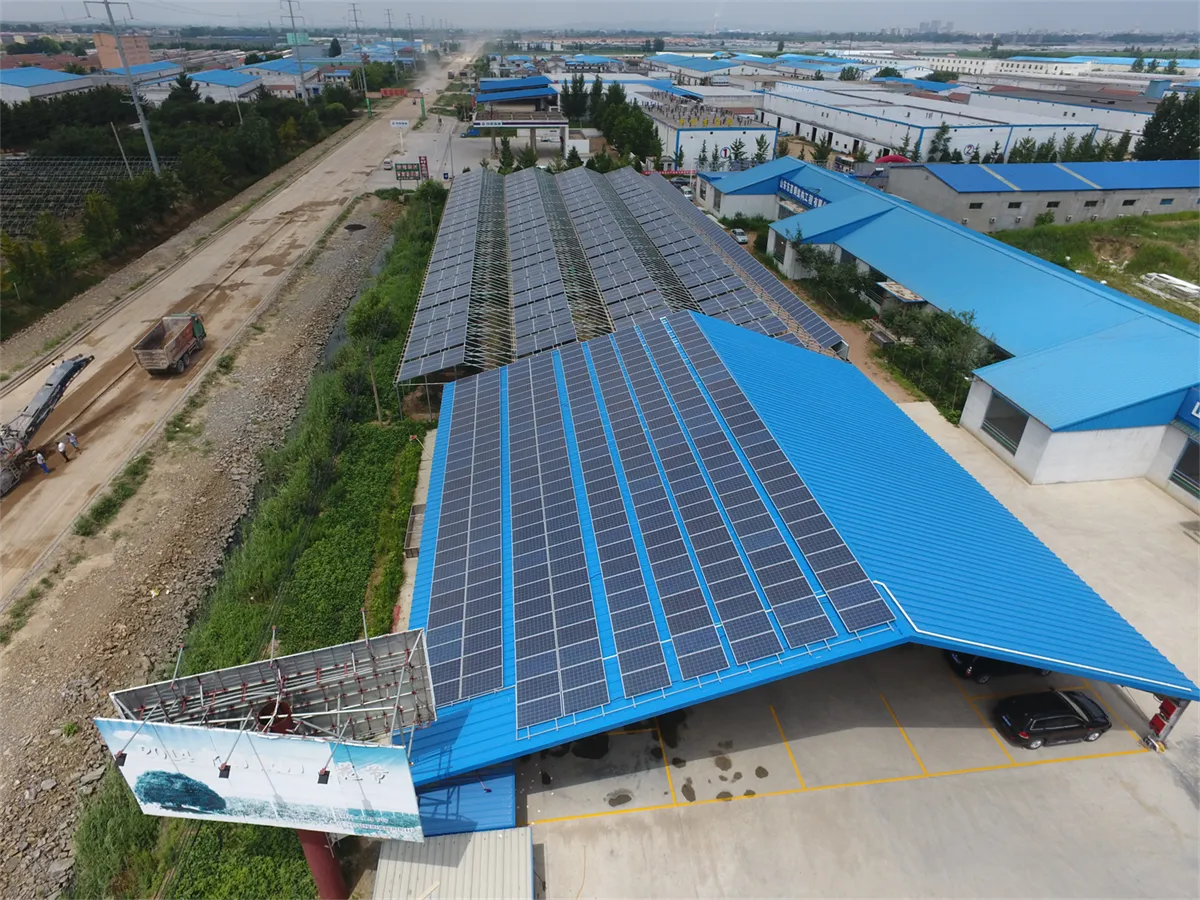
Want to shake hands with decision-makers? These exhibitions are where billion-dollar deals happen:
| Event | Location | Dates | Focus | Why It Matters |
|---|---|---|---|---|
| SNEC PV Power Expo | Shanghai | June 11–13, 2025 | Whole PV supply chain | Where new tech gets unveiled first |
| Solar PV & Energy Storage Expo | Guangzhou | August 8–10, 2025 | Solar + Battery integrations | See systems working in real-time |
| CIEPEC | Beijing | May 20–22, 2025 | Eco-friendly manufacturing | Find partners committed to sustainability |
Skip these and risk your entire investment:
The rules changed drastically in 2024:
Bottom line: Tariffs hit modules hardest at 50%, while inverters sail through at just 2.5%.
The solar trade war ended with a truce: Minimum pricing instead of tariffs. Now panels above set prices flow freely into Europe.
But stay vigilant – the EU still monitors for dumping like hawks, so work with transparent factories that prove fair pricing.
China's solar dominance isn't fading – it's accelerating. Three trends will reshape the market:
These aren't niche anymore. By 2027, over 60% of utility-scale projects will use panels capturing light from both sides – adding up to 30% more output at minimal extra cost. Chinese factories already lead this revolution.
The future belongs to panels that talk to storage systems. Companies like JA Solar now engineer panels specifically for bifacial modules that optimize energy handoffs to batteries.
The next battle? Cutting carbon footprints. Solar panels produced with 50% renewable energy will command premium pricing globally – and Chinese factories investing in solar-powered production lines now will dominate that market.
Recommend Products












