

For architects, developers, and project managers overseeing large-scale construction in the Middle East—whether it's a sprawling residential complex in Jeddah, a modern office tower in Dubai, or a hospitality project in Riyadh—one challenge always looms large: finding wall panels that can keep up with the demands of the project. You need materials that are durable enough to withstand the region's harsh climate, cost-effective to fit tight budgets, and versatile enough to match diverse design visions. And if you're tired of juggling multiple suppliers for different materials, you're not alone. That's where one-stop architectural solution providers like Coloria come in, offering a game-changing option: WPC wall panels. Let's dive into why WPC (Wood-Plastic Composite) wall panels are becoming the go-to choice for large projects, and why Coloria stands out as your trusted China-based supplier.
Before we get into the nitty-gritty of WPC wall panels, let's talk about the team behind the materials. Coloria isn't your average building materials company. With decades of experience under its belt and a strong presence in the Middle East—including a dedicated agency in Saudi Arabia—this is a team that understands the unique needs of large-scale projects. As a one-stop architectural solution provider , Coloria doesn't just sell wall panels; it offers a full spectrum of building materials, from solar panels to custom furniture, all under one roof. This means when you work with Coloria, you're not just getting WPC wall panels—you're getting a partner who can streamline your supply chain, reduce logistical headaches, and ensure consistency across every phase of your project.
What really sets Coloria apart? Its deep roots in the Saudi market. For years, the company has collaborated with local builders, architects, and developers, learning the ins and outs of regional construction standards, climate challenges (think scorching heat, high humidity, and occasional sandstorms), and even cultural design preferences. This isn't a supplier that ships products from halfway across the world and hopes for the best; it's a team that's invested in Saudi Arabia's growth, aligning its services with the country's Vision 2030 goals—from sustainability to local job creation.
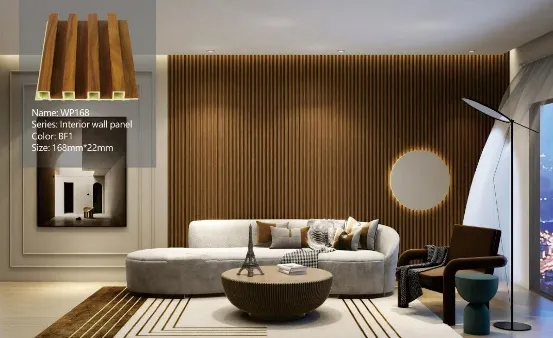
Now, let's focus on the star of the show: WPC wall panels. You might be wondering, "What makes WPC better than traditional materials like solid wood, PVC, or even stone?" Let's break it down. WPC is a blend of wood fibers (or bamboo charcoal, in some advanced variants) and recycled plastic, mixed with additives to boost strength, durability, and resistance. The result? A material that takes the best of both worlds— the natural look and feel of wood, plus the low-maintenance, weather-resistant properties of plastic—without the downsides of either.
| Feature | WPC Wall Panels | Solid Wood Panels | PVC Panels | Natural Stone Panels |
|---|---|---|---|---|
| Durability | Resistant to rot, warping, and pests; 15-20 year lifespan | Prone to rot, termites, and warping; 5-10 year lifespan (without heavy maintenance) | Brittle in extreme heat; fades over time; 8-12 year lifespan | Highly durable but heavy; prone to cracking if not installed properly |
| Maintenance | Wipe clean with water; no painting/staining needed | Requires annual painting/staining; regular sealing | Easy to clean but scratches easily; may need replacement if damaged | Requires sealing; hard to repair if chipped |
| Cost (Long-Term) | Mid-range upfront; low maintenance = lower total cost | Low upfront; high maintenance = higher total cost | Low upfront; short lifespan = higher replacement costs | High upfront; installation and transport add costs |
| Sustainability | Uses recycled plastic and wood waste; low VOC emissions | Deforestation concerns; chemical treatments for preservation | Non-biodegradable; made from non-renewable resources | Quarrying impacts ecosystems; heavy carbon footprint from transport |
| Installation | Lightweight; easy to cut and install with standard tools | Heavy; requires skilled labor for cutting/fitting | Lightweight but less structural support | Extremely heavy; requires specialized equipment and labor |
For large projects, these differences add up fast. Imagine a 50-story residential tower in Riyadh: using WPC wall panels could cut installation time by 30% compared to stone, reduce transportation costs due to lighter weight, and eliminate the need for annual maintenance checks. That's not just efficiency—that's smart project management.
But WPC isn't just about practicality; it's about design flexibility too. Coloria's WPC wall panels come in a range of finishes, from rich wood grains that mimic oak or teak to sleek modern textures that pair perfectly with minimalist architecture. Whether your project calls for a warm, rustic vibe or a cutting-edge, industrial look, there's a WPC panel to match. And because they're pre-finished, you skip the extra step (and cost) of painting or staining on-site.
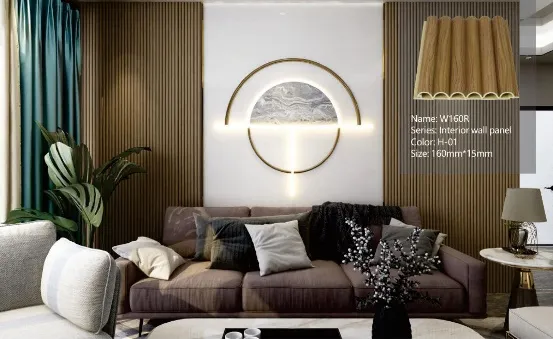
WPC wall panels aren't a one-trick pony—they thrive in almost every type of large project. Let's walk through a few scenarios where they've proven to be a game-changer:
For residential complexes, especially those in Saudi Arabia's coastal cities like Dammam or Jeddah, humidity and salt air can wreak havoc on traditional wall materials. WPC panels, with their 100% waterproof properties, become a lifesaver. Imagine a beachfront apartment building where every unit has a balcony clad in WPC panels—no warping, no mold, just crisp, clean walls year after year. And for interior spaces, like living rooms or bedrooms, the sound-dampening qualities of WPC make for quieter, more comfortable homes. Coloria, as a residential building materials supplier , has seen firsthand how WPC panels (tīshēng—enhance) the living experience for residents while reducing upkeep costs for property managers.
Commercial spaces—hotels, shopping malls, office lobbies—see a lot of foot traffic, which means walls take a beating. Scratches, scuffs, and the occasional coffee spill are inevitable. WPC panels hold up beautifully here. Take a hotel in Riyadh, for example: the lobby walls, clad in Coloria's wood-grain WPC panels, still look brand-new after years of guests dragging luggage and leaning against them. And for restaurants or retail stores that want to refresh their look without a full renovation, WPC panels are easy to replace or repaint (though they rarely need it), making them a flexible choice for evolving brand aesthetics.
Hospitals, schools, and senior living facilities have unique needs—safety and hygiene top the list. Coloria's WPC panels are non-porous, meaning they don't harbor bacteria, and they're easy to sanitize, making them ideal for healthcare settings. In schools, where kids are prone to sticky fingers and accidental bumps, the impact-resistant nature of WPC ensures walls stay intact, reducing repair costs for administrators. Plus, many of Coloria's WPC panels meet Class A fireproof standards, adding an extra layer of safety for high-occupancy buildings.
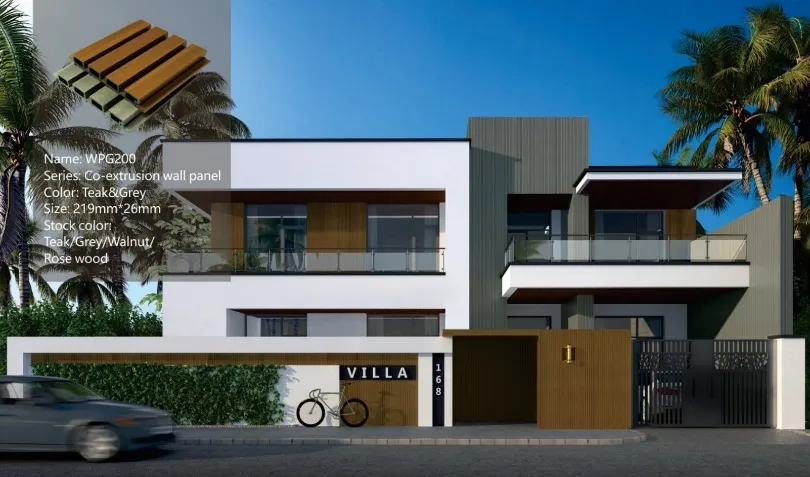
So, you're sold on WPC wall panels—now why choose Coloria over other suppliers? Let's get into the specifics that make this partnership a no-brainer for large-scale projects.
As a one-stop architectural solution provider , Coloria doesn't just stop at WPC wall panels. Need flooring to match those panels? They've got it. Windows and doors for the project? Covered. Custom kitchen cabinets for the residential units? Yep, that too. This integration is a game-changer for large projects. Instead of coordinating with 5-10 different suppliers—each with their own lead times, quality standards, and communication styles—you have a single point of contact. This reduces delays, minimizes miscommunications, and ensures that all materials arrive on-site when you need them, keeping your project on schedule.
For example, imagine you're building a mixed-use development with residential, retail, and office spaces. Coloria can supply WPC wall panels for the apartments, durable flooring for the retail areas, and fire-rated WPC panels for the office corridors—all from one warehouse. No more juggling multiple delivery dates or worrying about color mismatches between batches. It's efficiency redefined.
Coloria isn't just a China-based supplier exporting to the Middle East—it's a Saudi Arabia building materials supplier with boots on the ground. With a local agency in Saudi Arabia, the team understands the nuances of doing business there. They know the local building codes inside out, from Jeddah to Riyadh to Dammam. They're familiar with the region's logistics challenges—how to navigate customs quickly, how to store materials in the heat, and how to deliver to remote construction sites. This local presence means faster response times: if you have a question about your order or need a last-minute adjustment, you're not waiting for a reply from halfway around the world; you're talking to someone who's in the same time zone and understands your urgency.
Plus, Coloria's commitment to Saudi Arabia's 2030 Vision goes beyond words. By investing in local talent and sustainable practices, they're not just supplying materials—they're contributing to the country's long-term growth. For developers looking to align their projects with national sustainability goals, this partnership adds value beyond the bottom line.
The Middle East isn't easy on building materials. Temperatures soar above 45°C in summer, humidity spikes in coastal areas, and sandstorms can blast surfaces with abrasive particles. Coloria doesn't just ship standard WPC panels to the region—they test them rigorously under these conditions. Every batch of WPC panels undergoes heat resistance testing, UV stability testing (to prevent fading), and moisture resistance testing. The result? Panels that don't warp in the heat, don't fade in the sun, and don't absorb water during humid months. This commitment to quality means fewer callbacks, fewer replacements, and a finished project that looks great for decades.
And it's not just about durability—Coloria also prioritizes sustainability. Their WPC panels are made with recycled plastic and wood waste, reducing reliance on virgin materials. They're also low in VOC emissions, improving indoor air quality for building occupants. For developers aiming to meet green building certifications or align with "double carbon" goals, this is a huge plus.
Large projects demand large quantities—and Coloria delivers economies of scale. As a major WPC wall panel supplier , they have the production capacity to fulfill bulk orders quickly, and their global supply chain means they can source raw materials at competitive prices. This translates to cost savings for you. Plus, with their one-stop model, you save on shipping and logistics costs by consolidating orders. When you factor in the long-term savings from low maintenance and durability, WPC panels from Coloria become one of the most cost-effective choices for large-scale construction.
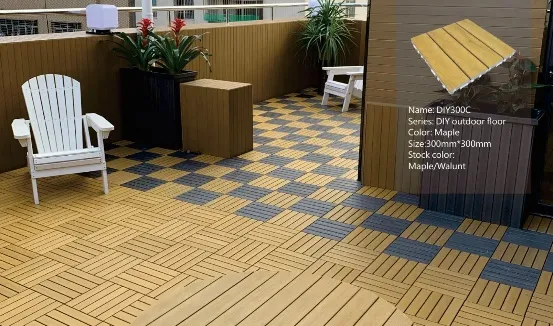
While WPC wall panels are a standout product, Coloria's whole-house customization solutions deserve a mention. For developers building residential units or hospitality projects, the ability to customize every aspect of the interior—from kitchen cabinets to bathroom vanities—can set a project apart in a competitive market. Coloria's team of designers works closely with clients to create bespoke furniture that fits the project's aesthetic and functional needs. Imagine a luxury villa development where each unit's kitchen cabinets are custom-built to match the WPC wall panels in the living room—cohesion that elevates the overall design.
This customization isn't just about looks; it's about maximizing space. In smaller apartments, cleverly designed custom furniture can turn tight corners into functional storage, making units more appealing to potential buyers or renters. And because it's all part of Coloria's one-stop service, the furniture arrives at the same time as the wall panels and flooring, streamlining the construction timeline.
At the end of the day, what really makes a supplier stand out isn't just the products—it's the people and the service. Coloria prides itself on building long-term relationships with clients. From the initial consultation, where their team helps you select the right WPC panels for your project, to post-delivery support, where they answer questions about installation or maintenance, they're there every step of the way. Their global customer satisfaction focus means they measure success not by how many panels they sell, but by how smoothly your project runs and how happy you are with the results.
"Working with Coloria on our Riyadh residential project was a game-changer," says a senior architect at a leading Middle Eastern firm. "Their WPC wall panels were delivered on time, installed quickly, and still look perfect two years later. And having all our materials—from flooring to fixtures—come from one supplier simplified our entire process. We'll definitely partner with them again."
Looking ahead, Coloria continues to invest in innovation, developing new WPC formulations that are even more durable, sustainable, and design-forward. They're also expanding their presence in the Middle East, with plans to open more local warehouses and service centers to better support clients across the region. For developers and architects, this means a partner who's growing with the market and committed to meeting evolving needs.
Large-scale construction projects are complex enough without adding the stress of finding reliable, cost-effective wall panels. Coloria takes that stress off your plate, offering high-quality WPC wall panels, a one-stop shopping experience, and the local expertise needed to succeed in the Middle East market. Whether you're building a residential tower, a commercial complex, or a specialized facility, their WPC solutions deliver durability, style, and value that's hard to match.
So, if you're ready to streamline your supply chain, reduce long-term costs, and create spaces that stand the test of time, it's time to talk to Coloria. With their WPC wall panels and one-stop approach, you're not just building a project—you're building a legacy.
Recommend Products











