
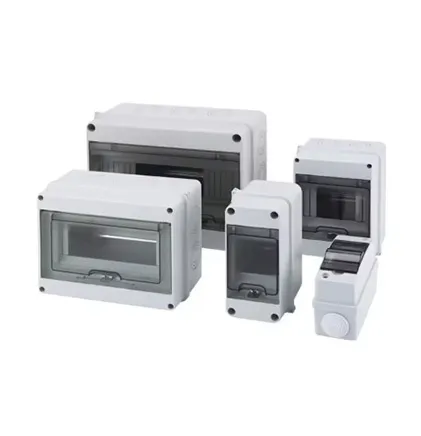
Walk into any modern building—whether it's a hospital treating patients, a school filled with students, or a commercial mall bustling with shoppers—and you'll find an unsung hero working behind the scenes: the electrical distribution box. This unassuming unit controls the flow of power, ensuring lights stay on, equipment runs smoothly, and daily operations hum along. But what happens when a faulty wire sparks? In that critical moment, the materials used in that box and its surrounding components can mean the difference between a minor incident and a catastrophic fire.
For builders, architects, and project managers in regions like Saudi Arabia, where strict safety regulations and high temperatures demand durable solutions, choosing the right building material supplier isn't just about cost—it's about trust. That's where companies like Coloria Group come in. As a one-stop architectural solution provider with decades of experience in the Middle East, Coloria isn't just selling products; they're delivering peace of mind through fire-retardant materials that meet global standards and local needs.
Electrical distribution boxes are hotspots for potential fire risks. Loose connections, overloaded circuits, or poor insulation can generate heat, and if the surrounding materials are flammable, a small spark can quickly escalate. In commercial buildings, where hundreds of people may be present, or hospitals, where lives depend on uninterrupted power, fire safety isn't optional—it's legally mandated.
Saudi Arabia's building codes, aligned with its Vision 2030 goals, now require higher fire resistance ratings for electrical components, especially in public spaces like schools and hospitals. This is where fire-resistant building materials shine. Unlike traditional materials that burn or melt under heat, fire-retardant options slow the spread of flames, emit fewer toxic fumes, and buy precious time for evacuation and emergency response.
Coloria Group doesn't just follow safety standards—they set them. With a portfolio of 14 product lines, including specialized fire-retardant materials, they've become a go-to Saudi Arabia building materials supplier for projects that prioritize safety without compromising on quality. Let's take a closer look at some of their standout offerings for electrical distribution systems:
| Material Type | Fire Resistance Rating | Key Features | Ideal Applications |
|---|---|---|---|
| Class A Fireproof CPL Inorganic Board | Class A (Highest in China; ≥90 minutes fire resistance) | Non-toxic smoke emission, moisture-resistant, anti-corrosive | Hospitals, schools, high-rise residential buildings |
| PVC Fire-Retardant Panels | Class B1 (Self-extinguishing, low flame spread) | Lightweight, easy to install, cost-effective | Commercial malls, office buildings, retail spaces |
| Foamed Aluminum Alloy Board | Class A (Heat resistance up to 600°C) | High strength, sound insulation, eco-friendly (100% recyclable) | Industrial facilities, data centers, outdoor electrical enclosures |
Imagine a children's hospital in Riyadh, where young patients and medical equipment rely on steady power. The electrical distribution room here can't afford to fail. Coloria's Class A Fireproof CPL Inorganic Board is designed for exactly these scenarios. Made from inorganic minerals and reinforced with fiber, it withstands temperatures up to 1,200°C without burning or releasing toxic gases—critical for enclosed spaces where ventilation may be limited.
"We worked with a hospital project in Jeddah last year where the client needed materials that met both Saudi Civil Defense requirements and international standards," says a Coloria project manager. "Our CPL boards not only passed all fire tests with flying colors but also reduced installation time by 30% compared to traditional concrete panels. That's the value of a one-stop architectural solution provider —we handle the material specs, so our clients can focus on building."
What sets Coloria apart isn't just their fire-retardant materials—it's their ability to integrate them into a full project ecosystem. As a building material supplier with a global network, they offer everything from the electrical box itself to the wall panels, flooring, and even solar panels that power the building. This "one-stop" approach isn't just convenient; it's strategic.
Today's building projects aren't just about safety—they're about sustainability, too. Coloria's commitment to green building materials aligns with global "dual carbon" targets and Saudi Arabia's Vision 2030, which emphasizes eco-friendly construction. Their fire-retardant materials are not only safe but also environmentally responsible:
Take their bamboo charcoal board wall panels, for example. These panels, often used around electrical boxes for additional insulation, are made from recycled bamboo fibers and activated charcoal, which naturally absorb moisture and odors. They're fire-resistant, low-VOC, and fully biodegradable—proving that safety and sustainability can go hand in hand.
Talk is cheap, but results speak volumes. Coloria's fire-retardant solutions have been put to the test in some of Saudi Arabia's most high-profile projects. One standout example is the King Abdullah Financial District (KAFD) in Riyadh, where their Class A CPL inorganic boards were used in electrical distribution rooms across 10 commercial towers. During a routine fire safety drill, the materials contained a simulated electrical fire for over 90 minutes, exceeding the required 60-minute rating and earning praise from the project's safety auditors.
Another project: a new pediatric hospital in Jeddah, where Coloria supplied not just fire-retardant panels but also a full suite of medical-grade materials, from anti-bacterial wall panels to energy-efficient lighting. By offering a one-stop solution, they helped the hospital open six months ahead of schedule—critical time in a region facing a shortage of pediatric care facilities.
At the end of the day, building materials are about more than bricks and boards—they're about the people who use the spaces we build. For Coloria Group, being a one-stop architectural solution provider means investing in relationships, not just transactions. Their team of engineers and material specialists works closely with clients from project design to delivery, offering tailored advice and on-site support.
Whether you're building a school in Riyadh, a hospital in Jeddah, or a commercial complex in Dammam, Coloria's fire-retardant materials and global expertise ensure that safety isn't an afterthought—it's built into every wall, every panel, and every electrical box. Because when it comes to protecting lives and livelihoods, there's no room for compromise.
So, the next time you walk into a building and flip a light switch, take a moment to appreciate the invisible heroes: the fire-retardant materials working quietly behind the scenes. And remember—those materials didn't just appear by chance. They were chosen by people who prioritize safety, supplied by partners like Coloria, and built to stand the test of time (and fire).
Recommend Products












