
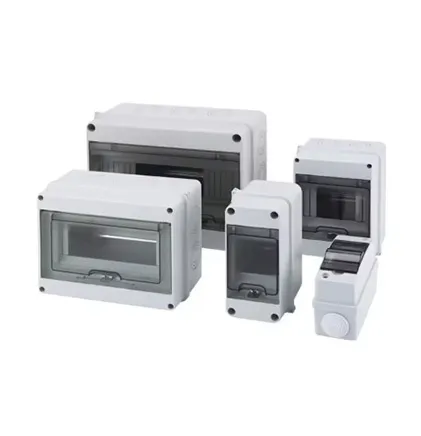
In the world of construction, every decision counts—especially when it comes to the systems that keep buildings running smoothly. For architects, contractors, and project managers, finding reliable, energy-efficient solutions isn't just about meeting deadlines; it's about ensuring long-term sustainability and keeping operational costs in check. That's where electrical distribution boxes come into play—the unsung heroes that manage power flow, protect equipment, and quietly influence a building's energy footprint. Today, we're diving into how China's leading electrical distribution box suppliers, like Coloria, are redefining what it means to deliver energy-efficient solutions that don't just meet industry standards, but actively reduce operational costs for projects worldwide.
Let's start with the basics: What is an electrical distribution box, and why does it matter for operational costs? At its core, this unassuming unit is the central hub of a building's electrical system. It takes incoming power from the main supply, splits it into circuits, and distributes it to lights, appliances, machinery, and other devices. But here's the thing: Not all distribution boxes are created equal. A poorly designed box can lead to energy waste, frequent breakdowns, and sky-high utility bills. On the flip side, a well-engineered, energy-efficient model acts like a smart traffic cop for electricity—directing power only where it's needed, minimizing losses, and ensuring every watt is used efficiently.
Consider this: In a mid-sized commercial building, the electrical system accounts for up to 30% of total operational costs. A distribution box with outdated components or inefficient design can waste 10-15% of that energy through voltage drops, overheating, or unbalanced load distribution. Over time, those percentages add up to thousands of dollars in unnecessary expenses. For project owners and facility managers, investing in a high-quality distribution box isn't just a one-time cost—it's a long-term strategy to keep operational budgets in check.
When it comes to reliable, energy-efficient electrical distribution boxes, Coloria stands out as a leader in the industry. As a global one-stop architectural solution provider, Coloria doesn't just sell products—they deliver end-to-end solutions tailored to the unique needs of each project. With decades of experience and a strong presence in Saudi Arabia through local, Coloria understands the challenges of international construction projects: strict local regulations, diverse climate conditions, and the need for timely, cost-effective solutions.
But what truly sets Coloria apart as a distribution box manufacturer is their commitment to integration. Unlike suppliers that specialize in a single product, Coloria offers a full range of building materials—from solar panels and flooring to kitchen appliances and elevators—all under one roof. This means when you partner with Coloria for your electrical distribution box, you're also gaining access to a team that understands how your electrical system interacts with every other component of your building. It's this holistic approach that ensures seamless compatibility, reduces coordination headaches, and ultimately leads to more efficient, cost-effective projects.
So, what exactly makes Coloria's electrical distribution boxes a cut above the rest? Let's break down the features that drive their energy efficiency and cost-saving benefits:
Traditional distribution boxes often operate on a "one-size-fits-all" approach, sending the same amount of power to every circuit regardless of demand. Coloria's boxes, however, come equipped with smart load management systems that monitor power usage in real time. For example, in a commercial building, the system can detect when certain areas (like conference rooms or retail spaces) are underused and adjust power flow accordingly. This not only reduces energy waste but also extends the lifespan of connected equipment by preventing overloading.
Safety and efficiency go hand in hand. Coloria's distribution boxes are built using Class A fireproof CPL inorganic boards—materials that not only meet strict international safety standards but also minimize heat transfer. This is crucial because overheating is a major cause of energy loss in electrical systems. By using materials that resist heat buildup, Coloria's boxes maintain optimal performance even during peak usage, ensuring that less energy is wasted as heat and more is directed to where it's needed.
No two buildings are the same, and neither are their electrical needs. A residential complex has different power requirements than a hospital or a hotel, and Coloria gets that. Their team of engineers works closely with clients to design distribution boxes tailored to specific project demands—whether it's a small apartment building needing basic power distribution or a large commercial center requiring complex three-phase systems. This customization ensures that the box isn't over-engineered (wasting space and resources) or under-powered (leading to inefficiencies), striking the perfect balance for maximum energy savings.
As the world shifts toward sustainable building practices, integrating renewable energy sources like solar panels has become a priority. Coloria's distribution boxes are designed to seamlessly work with solar power systems, allowing buildings to use clean energy efficiently. The boxes can switch between grid power and solar power based on availability, ensuring minimal reliance on non-renewable energy and further reducing operational costs. This aligns perfectly with global "dual carbon" goals and makes Coloria a go-to choice for eco-conscious projects.
Coloria's electrical distribution boxes aren't just theoretical—they've been tested and proven in projects across the globe, from residential complexes to large-scale commercial developments. Let's take a look at a few key applications where their impact is most noticeable:
In residential projects, energy efficiency directly impacts residents' quality of life and monthly expenses. A recent Coloria project in Riyadh, Saudi Arabia, involved a 200-unit apartment complex where the developer wanted to offer modern amenities while keeping utility costs low. Coloria installed distribution boxes with smart load management, allowing the building to adjust power to individual units based on occupancy. For example, units that are vacant (during tenant turnover) automatically reduce power to non-essential systems like air conditioning, while occupied units maintain optimal comfort. The result? A 15% reduction in overall energy consumption compared to similar buildings in the area, making the complex more attractive to renters and boosting the developer's reputation.
Commercial buildings—think shopping malls, office towers, and hotels—have some of the highest energy demands, with lighting, HVAC, and equipment running around the clock. Coloria worked with a hotel chain in Dubai to upgrade their distribution systems, focusing on peak-hour efficiency. The new boxes were programmed to prioritize power to critical areas (like front desks and guest rooms) during busy times while scaling back on less essential systems (like back-of-house storage areas). Additionally, the smart monitoring feature allowed the hotel's maintenance team to identify and fix energy leaks in real time—like a faulty air conditioner in a conference room that was drawing excess power. Within six months, the hotel reported a 22% drop in monthly electricity bills, translating to over $50,000 in annual savings.
In facilities like hospitals and schools, reliability is non-negotiable—power outages can put lives at risk or disrupt learning. Coloria's distribution boxes for these settings are built with redundant systems to ensure continuous power, but they also prioritize energy efficiency. For a children's hospital in Jeddah, Coloria designed boxes that could handle the high power demands of medical equipment (like MRI machines and incubators) while still optimizing energy use in administrative areas. The Class A fireproof materials were also a key selling point, providing an extra layer of safety in a building where fire risks must be minimized. The hospital now enjoys both peace of mind and lower operational costs, proving that safety and efficiency don't have to be mutually exclusive.
For projects in the Middle East, choosing a local partner with regional expertise is essential—and Coloria's decades of experience in the region make them the ideal Saudi Arabia building materials supplier. Here's why:
The Middle East has unique electrical standards and building codes, and navigating them can be a challenge for international suppliers. Coloria's local team in Saudi Arabia stays up-to-date on the latest regulations, ensuring that every distribution box meets or exceeds local requirements. For example, Saudi Arabia's strict fire safety codes for commercial buildings are integrated into Coloria's design process, so clients never have to worry about delays due to non-compliance.
When you're in the middle of a construction project, time is money. Coloria's Saudi-based means that clients have access to quick technical support, on-site inspections, and rapid delivery of replacement parts if needed. This local presence reduces lead times and minimizes disruptions—something that's especially valuable in the fast-paced Middle Eastern construction market.
Saudi Arabia's "2030 Vision" emphasizes sustainable development,, and technological innovation—goals that Coloria actively supports. By investing in local talent and sustainable building solutions (like their green line), Coloria isn't just a supplier; they're a partner in Saudi Arabia's growth. For clients working on projects aligned with Vision 2030, choosing Coloria demonstrates a commitment to the country's long-term goals, which can open doors to government contracts and community support.
Still not convinced that investing in a high-quality distribution box is worth it? Let's compare the long-term costs of choosing Coloria versus a budget, traditional supplier. We'll use a hypothetical 10-year lifespan for a mid-sized commercial building (50,000 sq. ft.) to illustrate the difference:
| Cost Factor | Traditional Supplier | Coloria |
|---|---|---|
| Initial Purchase Cost | $8,000 (lower upfront price) | $12,000 (higher initial investment) |
| Annual Energy Bills | $60,000 (higher waste, no smart management) | $45,000 (15-20% savings via smart tech) |
| Maintenance & Repairs | $5,000/year (frequent breakdowns, parts replacement) | $1,500/year (durable materials, fewer issues) |
| Replacement Cost (after 10 years) | $8,000 (needs full replacement) | $0 (still functional, minor upgrades only) |
| Total 10-Year Cost | $663,000 | $467,000 |
The numbers speak for themselves: Over 10 years, choosing Coloria saves nearly $200,000—a significant return on the initial investment. And that doesn't even include intangible benefits like fewer downtime incidents, improved safety, and better tenant satisfaction.
As the construction industry evolves, so too do the demands on electrical distribution systems. Coloria is already looking ahead, investing in research and development to stay at the forefront of innovation. Here are a few trends shaping the future of distribution boxes—and how Coloria is preparing to lead the way:
As more buildings adopt solar panels and wind energy, distribution boxes will need to seamlessly integrate with these renewable sources. Coloria is developing systems that can store excess solar power in batteries and distribute it during peak hours, reducing reliance on the grid. Additionally, their boxes will soon connect to smart city grids, allowing buildings to participate in demand-response programs—earning incentives for reducing power use during high-demand periods.
Imagine a distribution box that can predict when a component is about to fail—before it causes a breakdown. Coloria is exploring AI-driven predictive maintenance, where machine learning algorithms analyze usage patterns and performance data to identify potential issues. For example, the system might detect that a circuit breaker is tripping more frequently than usual and alert the maintenance team to replace it proactively. This not only prevents costly downtime but also extends the life of the entire system.
Modern buildings are designed with space in mind, and bulky electrical systems can be a headache for architects. Coloria is working on compact distribution boxes that pack the same power and features into smaller footprints, making them ideal for high-rise apartments and urban commercial spaces where every square foot counts. These smaller boxes also use less material, aligning with Coloria's commitment to sustainability and reducing environmental impact.
At the end of the day, choosing an electrical distribution box is about more than just buying a piece of equipment—it's about investing in your building's efficiency, safety, and long-term success. Coloria stands out as a China electrical distribution box supplier that delivers on all fronts: energy-saving technology, durable materials, customizable solutions, and a deep understanding of global markets (especially the Middle East).
Whether you're building a residential complex in Saudi Arabia, a commercial tower in Dubai, or a hospital in Europe, Coloria's one-stop approach means you'll have a partner who's with you from design to delivery—and beyond. Their commitment to innovation, sustainability, and customer satisfaction isn't just a marketing pitch; it's proven in the results their clients see every day: lower operational costs, happier tenants, and buildings that stand the test of time.
So, if you're ready to stop wasting money on inefficient, unreliable electrical systems and start investing in solutions that save you time, energy, and resources, Coloria is the partner you've been looking for. After all, in the world of construction, the right choices today lead to a brighter, more sustainable tomorrow.
Recommend Products












