
Let's start with the big picture. Global construction is booming, especially in regions like the Middle East, where countries like Saudi Arabia are investing billions in projects aligned with Vision 2030—think smart cities, green buildings, and sustainable infrastructure. But here's the catch: traditional construction is resource-heavy. From cement production to steel manufacturing, the industry contributes about 39% of global carbon emissions, according to the United Nations. That's why "green construction" has become more than a trend; it's a necessity.
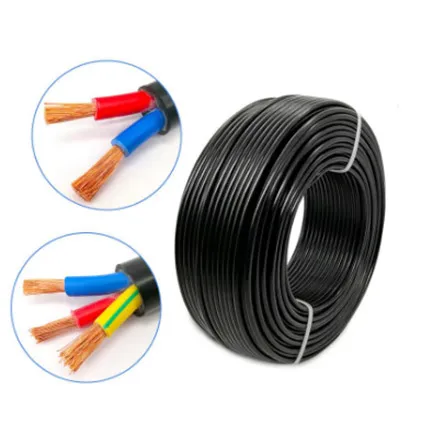
Now, where do cables fit in? Electrical cables are the "veins" of any building, carrying power to lights, elevators, appliances, and smart systems. But traditional cables are often made with virgin materials—like newly mined copper—and non-recyclable plastics. The process of extracting and refining these materials guzzles energy and releases greenhouse gases. Plus, when these cables reach the end of their lifespan, they often end up in landfills, leaching harmful chemicals into the soil. Not exactly "green," right?
Enter eco-friendly electrical cables. These aren't just ordinary wires; they're designed to minimize environmental impact at every stage—from production to disposal. And as a leading electrical fixtures & cables supplier with deep roots in the Middle East, we've seen firsthand how these cables are becoming a non-negotiable for developers who want to build responsibly, cut costs long-term, and meet strict sustainability regulations.
Did you know? The International Energy Agency (IEA) predicts that global demand for electricity will grow by 2.3% annually through 2030. That means more cables will be needed—but if we switch to eco-friendly options, we could reduce the construction sector's carbon footprint by up to 25% per project.
Not all "green" cables are created equal. True eco-friendly cables check three boxes: sustainable materials, low-carbon production, and long-term durability. Let's unpack each one.
Traditional cables rely on virgin copper, which requires mining—an energy-intensive process that scars landscapes and releases CO2. Our eco-friendly cables start with recycled copper and aluminum, sourced from post-consumer waste like old electrical wires and industrial scrap. Recycling these metals cuts energy use by 85-90% compared to mining new ones, according to the Copper Development Association. That's like taking 500 cars off the road for a year for every ton of recycled copper used!
But it's not just the metals. The insulation and sheathing (the protective outer layer) of our cables use biodegradable or recyclable materials, like plant-based plastics or polyethylene that breaks down naturally over time. No more toxic chemicals leaching into landfills—these cables go back to the earth, or get repurposed into new products.
Even the greenest materials won't matter if the manufacturing process is dirty. That's why we've invested in solar-powered production facilities. In our China-based factories, over 60% of the energy used to make cables comes from solar panels—meaning every meter of cable rolls off the line with a fraction of the carbon footprint of traditional manufacturing. We also use water recycling systems to reduce waste, and our factories are zero-waste certified, meaning almost nothing ends up in landfills.
You might be thinking, "Eco-friendly sounds great, but do these cables actually work as well as traditional ones?" The short answer: yes—and often better. Our cables are built to last 20-25 years, compared to 10-15 years for standard options. That means fewer replacements, less waste, and lower maintenance costs over time. They also meet strict safety standards: enhanced fire resistance, low smoke emission (critical for high-rise buildings), and better heat tolerance, which reduces the risk of electrical fires.
There are plenty of electrical fixtures & cables suppliers out there, but what sets us apart? We're not just selling products—we're offering a vision for greener construction. Here's how:
Building a sustainable project means coordinating multiple suppliers: solar panels, energy-efficient lighting, smart appliances, and yes, cables. As a one-stop architectural solution provider, we simplify this process. Need eco-friendly cables? We've got them. Want to pair them with LED lighting or energy management systems? We can do that too. Our 14 product categories cover everything from foundation to finishing touches, so you can reduce logistics headaches and keep your project on track.
The Middle East has unique construction needs—extreme temperatures, strict local regulations, and a focus on aligning with national visions like Saudi Arabia's 2030 goals. With decades of experience and a local office in Saudi Arabia, we understand these nuances. We know which materials work best in the region's climate (our cables, for example, are tested to withstand temperatures from -20°C to 70°C), and we're well-versed in local sustainability standards, making compliance a breeze for your team.
Our eco-friendly cables are just one piece of the puzzle. We're proud to be a leading supplier of green building materials, from solar panels that reduce reliance on grid electricity to bamboo charcoal board wall panels that improve indoor air quality. Every product in our lineup is designed with the planet in mind, so you can build a project that's not just sustainable on paper, but in every brick, wire, and fixture.
| Feature | Traditional Cables | Our Eco-Friendly Cables |
|---|---|---|
| Material Source | Virgin copper (mined), non-recyclable plastics | Recycled copper/aluminum, biodegradable insulation |
| Carbon Footprint | High (mining + fossil fuel-powered manufacturing) | 30% lower (recycled materials + solar-powered production) |
| Lifespan | 10-15 years | 20-25 years |
| End-of-Life | Landfill-bound (90% non-recyclable) | 90% recyclable (materials separated for reuse) |
| Regional Adaptability | Standard performance in moderate climates | Tested for extreme Middle East temperatures (-20°C to 70°C) |
Let's get concrete—literally. Here are a few examples of how our eco-friendly cables have made a difference for clients in the region:
Case Study 1: Riyadh Residential Complex
A developer in Riyadh wanted to build a 500-unit residential complex that would meet Saudi Arabia's Green Building Code (SABER). They needed cables that could handle the desert heat and reduce the project's carbon footprint. We supplied over 100 km of eco-friendly cables, made with recycled copper and solar-powered manufacturing. The result? The project's overall carbon emissions dropped by 18%, and the developer qualified for a 5% tax incentive under Vision 2030's sustainability programs. Plus, because we're a one-stop architectural solution provider, we also supplied energy-efficient LED lighting and smart electrical panels, streamlining their supply chain and saving them 12% on logistics costs.
Case Study 2: Jeddah Office Tower
A multinational company wanted its new regional headquarters in Jeddah to be "net-zero ready." That meant every component, including cables, needed to align with strict sustainability metrics. Our low-smoke, fire-resistant eco-cables were installed in the building's core, reducing the risk of fire-related damage and improving safety. During a routine energy audit, the building's management reported that the cables' efficient conductivity also reduced energy loss by 8% compared to their previous office—a saving of over $20,000 annually on electricity bills.
The demand for eco-friendly electrical cables isn't slowing down. As more countries adopt "net-zero" targets—including Saudi Arabia's commitment to reach carbon neutrality by 2060—developers and contractors will face stricter regulations and higher expectations from clients. Choosing sustainable cables today isn't just good for the planet; it's good for your bottom line. Think lower energy costs, tax incentives, and a competitive edge in a market where "green" is increasingly a deciding factor for tenants and buyers.
At the end of the day, building sustainably is about more than checking boxes. It's about creating spaces that are safe, efficient, and kind to the planet for generations to come. And it all starts with the details—the ones you can't see, like the cables running through the walls.
Whether you're working on a residential project, a commercial complex, or a large-scale infrastructure development, we're here to help you make sustainability simple. As your trusted electrical fixtures & cables supplier and one-stop architectural solution provider, we'll guide you through every step—from choosing the right eco-friendly cables to integrating them with other green building materials. Let's build something that powers the future, without costing the Earth.
Recommend Products












